# New York's Power Grid Struggles to Handle the Heat
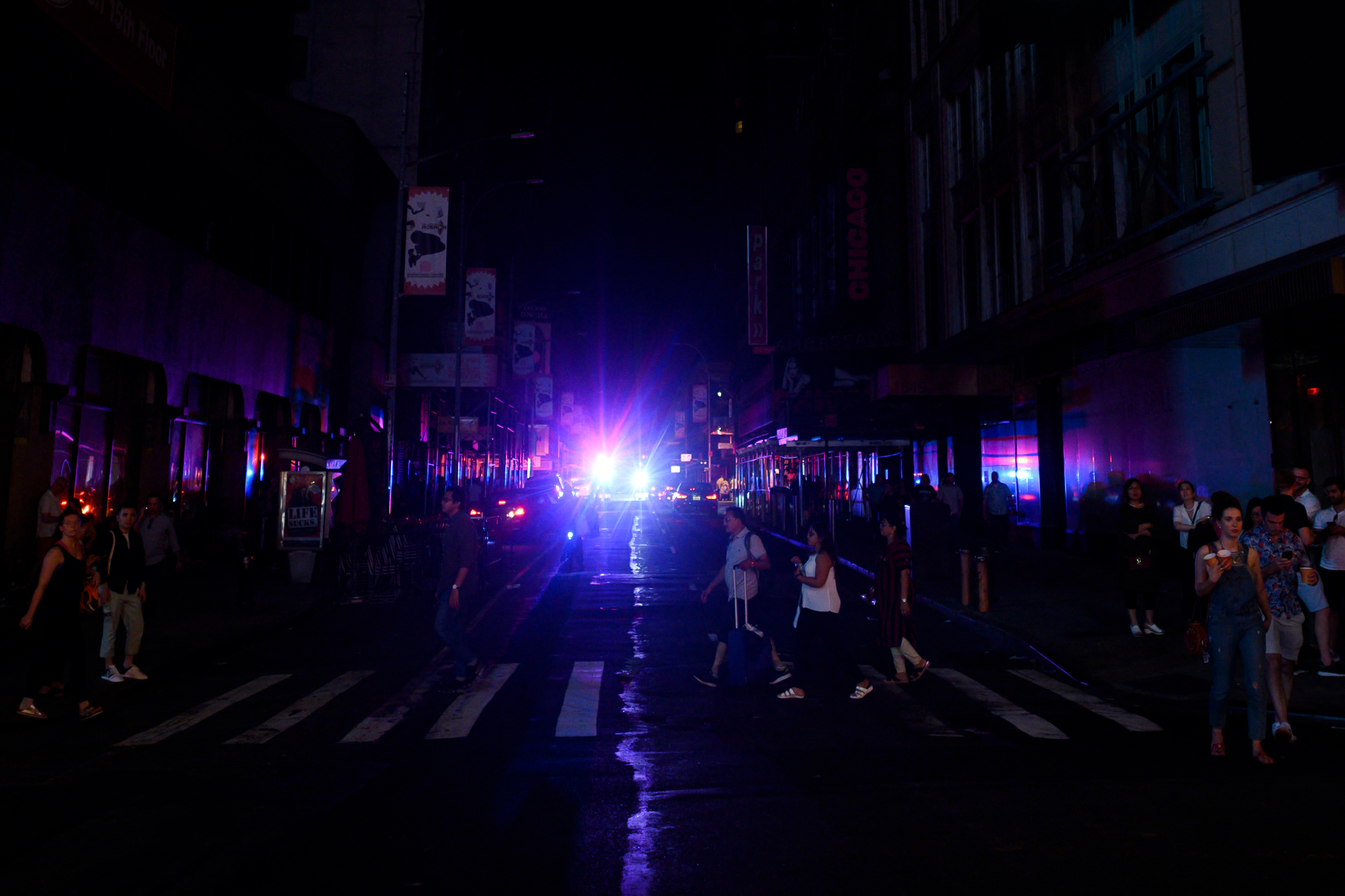
New York's electricity infrastructure faces mounting strain from extreme heat events that push air conditioning demand beyond grid capacity. A July heatwave left nearly 10,000 residents in Southeast Queens without power, prompting Mayor Zohran Mamdani to urge residents to raise thermostat settings to 78 degrees as a conservation measure. The New York Independent System Operator (NYISO), the grid manager for the state, issued an energy watch during the same period, signaling supply constraints.
The blackout and emergency directive expose a structural vulnerability in regional power systems. As temperatures climb, peak electricity demand rises sharply. Cooling loads now represent a larger proportion of summer grid stress than in previous decades. NYISO data shows that summer peak demand in New York has grown substantially, with 2024 marking some of the highest consumption spikes on record.
The Queens outage occurred in a neighborhood with limited backup infrastructure. Southeast Queens, predominantly low-income and communities of color, has historically received fewer grid upgrades and resilience investments than wealthier areas. Older distribution lines in the area struggle during peak demand periods. Residents unable to cool their homes during extreme heat face genuine health risks, particularly elderly people and those with respiratory conditions.
The grid operator's response reflects deeper challenges. NYISO manages electricity across New York State and parts of New England and New Jersey, serving over 10 million people. Managing this interconnected system requires precise balancing of generation, transmission, and consumption. When air conditioning demand spikes, power plants must increase output rapidly. If generation cannot match demand, blackouts result.
Several factors compound the problem. Natural gas generation, which supplies roughly one-third of New York's electricity, depends on pipeline capacity that fills quickly during heat waves. Renewable energy output fluctuates with weather conditions. Solar generation declines during extremely hot, hazy days when peak cooling demand occurs. Wind power similarly becomes unpredictable during heat events. The state retired coal plants over the past decade, reducing dispatchable generation.
New York's path forward requires simultaneous action on multiple fronts. The state's climate law mandates that electricity come from zero-carbon sources by 2040. Renewable buildout continues, but grid modernization lags behind installation timelines. Battery storage deployment remains limited. Transmission line upgrades face permitting delays and community opposition.
Demand-side management offers another lever. Building codes increasingly require improved insulation and efficient cooling systems. Electrifying heating systems can shift winter demand loads. Smart thermostats allow grid operators to reduce consumption during peak hours. However, equity concerns emerge when conservation calls disproportionately burden renters and low-income households unable to upgrade homes or choose to reduce cooling.
The Queens outage serves as a warning. Climate projections predict more frequent heat waves. Grid operators now regularly issue energy watches during summer months. Without accelerated investment in generation capacity, transmission infrastructure, and storage, blackouts will become routine rather than exceptional. Solving this requires coordinated investment from the state, utility companies, and federal agencies, alongside honest conversations about how costs and burdens are distributed across communities.