# Wyoming's First Pro-Conservation PAC Shifts Primary Election Landscape
Wyoming's first political action committee dedicated to environmental conservation achieved measurable influence in the state's August primary election, demonstrating that public lands protection has become a viable campaign issue even in one of America's most fossil-fuel-dependent states.
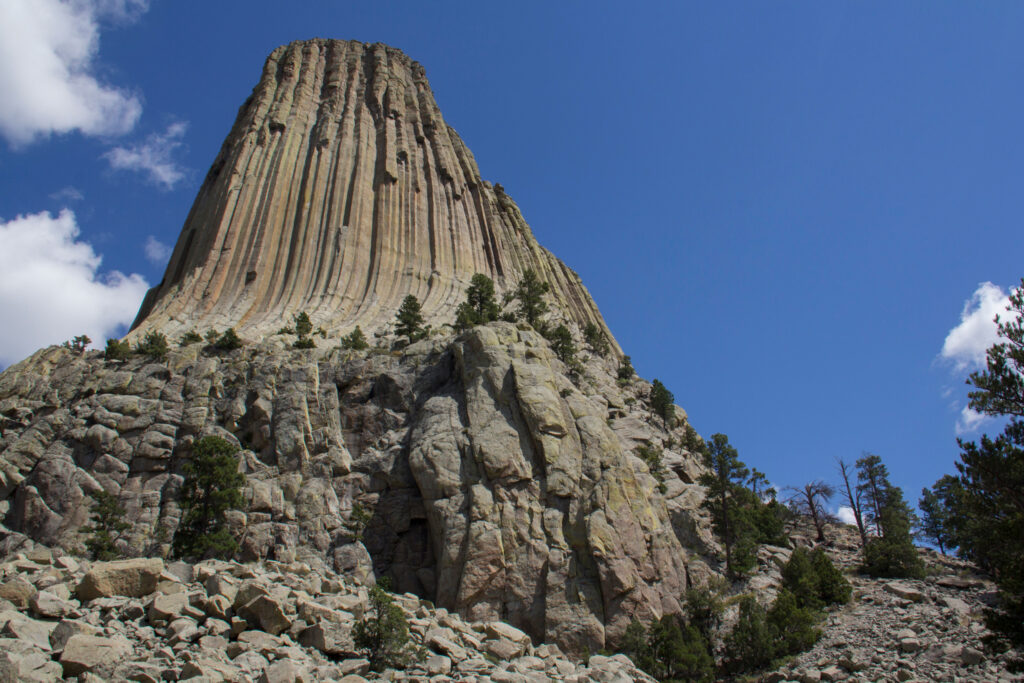
Zach Lentsch, chairman of Protect Wyoming, learned of strong voter turnout while leading a climbing expedition on Devils Tower in the state's northeast. The PAC's emergence marks a departure from Wyoming's traditional political alignment, where oil and gas industries have long dominated campaign spending and policy priorities.
Protect Wyoming mobilized around public lands management, water quality, and conservation issues. By fielding candidates and funding campaigns centered on these platforms, the group challenged the longstanding assumption that environmental positions remain politically toxic in Wyoming. The 2024 primary produced endorsements and campaign momentum that surprised political observers accustomed to unchallenged extraction-industry messaging.
The PAC's formation responds to mounting conflicts over federal land use across Wyoming's 62,000 square miles of public lands, including portions of the Greater Yellowstone Ecosystem and the Wind River Range. The state manages over 30 million acres of federally administered territory, making land use decisions consequential for wildlife migration corridors, watershed health, and outdoor recreation economies. Wyoming attracts roughly $7.4 billion annually from tourism tied to public lands access, a figure that competes with traditional extractive revenue streams.
Protect Wyoming's primary-cycle activities focused on candidate recruitment and voter education rather than ballot initiatives. The group identified legislative candidates willing to platform conservation priorities, signaling to state Democratic and Republican voters that public lands stewardship need not conflict with local economic interests. This framing diverged from national environmental organizations, which often present conservation and resource extraction as mutually exclusive.
Primary turnout strength in Wyoming typically signals competitive general-election conditions. The state's Republican supermajority in both legislative chambers meant primary contests often determined general-election outcomes, making primary-season messaging particularly consequential. Protect Wyoming's presence in these races introduced conservation topics into campaign discourse previously dominated by property rights and energy policy debates.
The PAC's legal structure allows unlimited spending on issue campaigns and candidate support, provided operations remain independent from candidate organizations. Wyoming's campaign finance disclosure requirements mandate that Protect Wyoming file quarterly reports detailing donations and expenditures, creating transparency that allows tracking of conservation funding sources.
Political scientists studying western conservation politics noted that Protect Wyoming's emergence reflects shifting demographics in Wyoming's urban centers and among younger voters. Laramie and Jackson Hole, the state's most populous urban areas, have experienced immigration of outdoor professionals and remote workers whose voting patterns diverge from historical Wyoming Republican orthodoxy. These populations prioritize amenities like public trail systems, wildlife habitat, and water quality protection.
The PAC's impact extends beyond immediate electoral outcomes. By organizing Wyoming voters around environmental platforms, Protect Wyoming created infrastructure for sustained political organizing beyond single election cycles. Future campaigns can build on donor networks, volunteer bases, and voter contact databases established during the primary season. State-level environmental organizations now possess a tested vehicle for translating conservation priorities into electoral strategy.
Whether Protect Wyoming sustains influence in Wyoming's general-election landscape and beyond remains open. The group's long-term viability depends on continued funding, volunteer recruitment, and demonstrated electoral effectiveness. The August primary demonstrated that Wyoming voters responded to conservation messaging, reshaping assumptions about the political geography of public lands protection in the American West.