Boulder, Colorado stands on the brink of a legal confrontation that could reshape how municipalities hold fossil fuel corporations accountable for climate damages. The city's case, now headed toward the U.S. Supreme Court, represents the culmination of a nine-year wave of climate liability litigation filed by local and state governments against major oil and gas producers.
Boulder filed suit against Suncor Energy, ExxonMobil, Shell, BP, and ConocoPhillips in 2015. The lawsuit alleges these companies knowingly deceived the public about the climate risks of their products while profiting from fossil fuel extraction and sale. The city seeks damages for infrastructure destruction, including impacts to water systems, roadways, and public facilities caused by intensifying flood and wildfire events linked to anthropogenic climate change.
The Boulder case mirrors a legal strategy deployed across the country. Since 2015, more than two dozen local governments and states have filed similar suits in state courts, drawing explicit parallels to the tobacco litigation of the 1990s. That campaign ultimately resulted in a $368 billion settlement and strict regulations on marketing and sales. Climate plaintiffs hope for comparable accountability from the fossil fuel industry.
The oil and gas defendants have consistently moved to remove cases from state courts to federal jurisdiction, then sought dismissal entirely. These companies argue that climate policy belongs in Congress and regulatory agencies, not courtrooms. They contend that under federal common law, judges cannot adjudicate claims linked to global atmospheric processes. The industry also invokes the dormant Commerce Clause, claiming state-level climate lawsuits interfere with interstate energy markets.
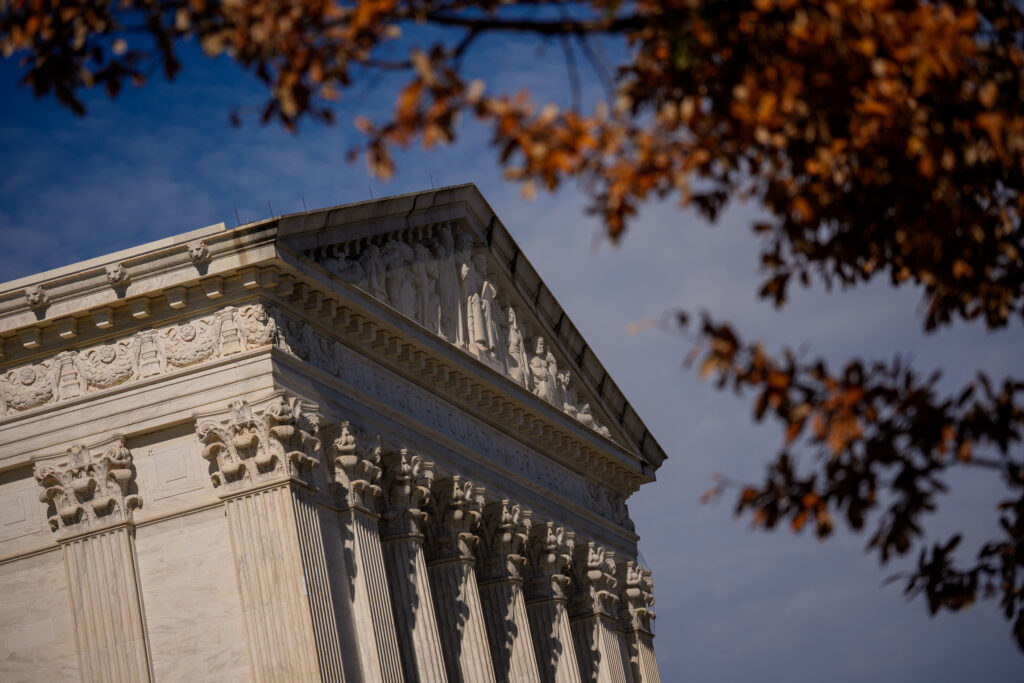
Three federal appeals courts have issued conflicting rulings on whether these cases can proceed. The Ninth Circuit, which oversees Colorado, has allowed some climate cases to move forward in state courts. Meanwhile, other circuits have sided with industry arguments for dismissal. This split prompted the Supreme Court to accept Boulder's petition for certiorari, signaling the nation's highest court will now weigh in on the fundamental question of whether states and municipalities possess the legal authority to sue fossil fuel corporations for climate damages.
The stakes extend beyond Boulder. A Supreme Court ruling favoring the oil industry would likely extinguish dozens of pending cases across the country. Conversely, if the Court allows state court proceedings to continue, it opens a path for extensive discovery, where plaintiffs can compel oil companies to produce internal documents about climate knowledge and decision-making. That discovery process has proven damaging in past environmental litigation, as it can expose decades of internal communications showing corporate awareness of risks.
The Supreme Court has not yet scheduled oral arguments. However, legal experts expect the decision to arrive within 18 months of briefing completion. Industry analysts view a ruling as pivotal to whether fossil fuel companies face sustained financial liability for climate-related harms.
Boulder's persistence reflects growing municipal frustration with the federal government's sluggish climate response. As extreme weather intensifies across Colorado and nationwide, cities and counties have concluded that lawsuits represent the only mechanism available to force accountability from corporations that emit greenhouse gases profiting from carbon-intensive business models.