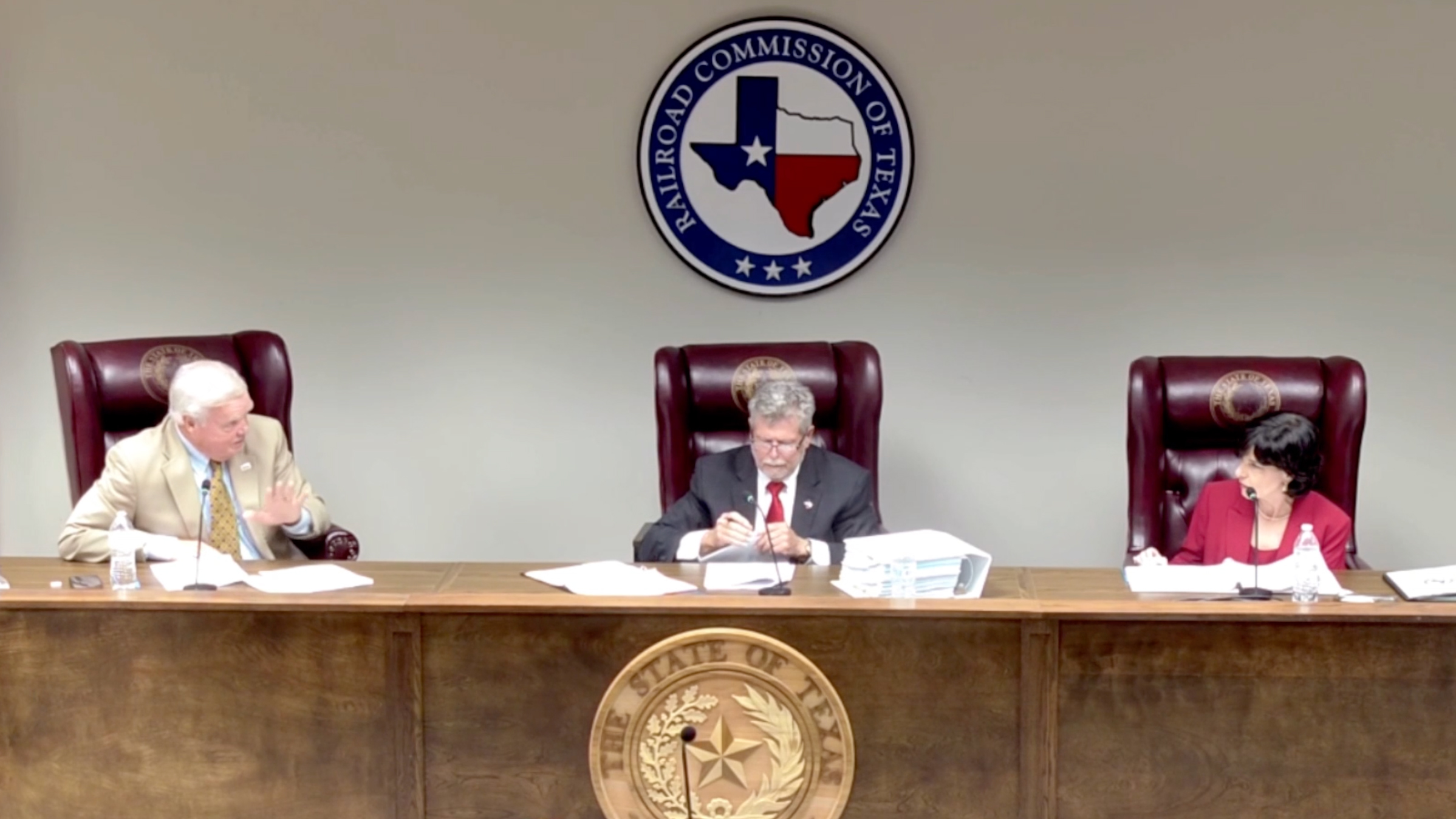
# Texas Repeals Public Comment Requirement at Oil and Gas Regulatory Meetings
Texas oil and gas regulators voted to eliminate mandatory public comment periods at their monthly open meetings, removing one of the few remaining mechanisms for citizens to formally address the state agency that oversees the industry. The three-person Railroad Commission of Texas, which despite its name regulates oil, gas, and mining operations, took the action at a meeting in Austin this week.
The change removes the requirement that the commission accept verbal public testimony during its monthly sessions, where commissioners vote on pipeline violations, permit renewals, drilling authorizations, and other enforcement matters. Previously, members of the public could register to speak for up to three minutes at the end of each meeting. Citizens frequently traveled hundreds of miles to participate in these proceedings, often to oppose specific permits or raise concerns about environmental and safety violations.
The Railroad Commission of Texas holds nearly all regulatory authority over oil and gas extraction in the state. Federal regulators handle only offshore operations in the Gulf of Mexico. This concentration of power in a single state agency means Texas public comment periods represented critical opportunities for affected landowners, environmental groups, and residents to formally object to permits or express concerns about compliance issues before votes occurred.
The three elected commissioners who lead the agency justified the elimination by citing efficiency concerns and stated that alternative pathways for public input remain available. The commission noted that written comments can still be submitted to the agency, and public meetings remain open for observation. However, observers cannot speak unless commissioners grant permission on a case-by-case basis.
Environmental groups and landowner advocates argued the change silences communities that have historically lacked influence in Texas energy policy. The state has become the nation's largest oil and gas producer, generating roughly 40 percent of domestic crude oil and 25 percent of natural gas. This outsized production gives Texas regulators extraordinary influence over national energy markets and greenhouse gas emissions.
The Railroad Commission has come under increasing scrutiny over permitting practices. A 2023 investigation by the Bureau of Land Management raised questions about whether the state's regulatory framework adequately protects groundwater from contamination and ensures proper bonding for well abandonment. Industry representatives argued that streamlining comment procedures would accelerate permit reviews without substantive loss of public input.
The decision aligns with broader efforts in Republican-led states to reduce regulatory friction for fossil fuel operators. Texas lawmakers have repeatedly strengthened regulations protecting oil and gas leases from legal challenges and limited the environmental reviews required before permits issue. Last year, the state legislature passed a bill preventing local governments from banning natural gas hookups in new buildings.
This action removes a transparency mechanism during a period when regulatory agencies nationwide face pressure to accelerate drilling permits and reduce permitting timelines. The Federal Energy Regulatory Commission and Bureau of Land Management have both implemented policy changes designed to expedite infrastructure approvals for fossil fuel projects.
The Railroad Commission's next monthly meeting occurs in Austin next month. Commissioners did not schedule a public comment period to discuss the elimination of public comment requirements before voting on the measure.