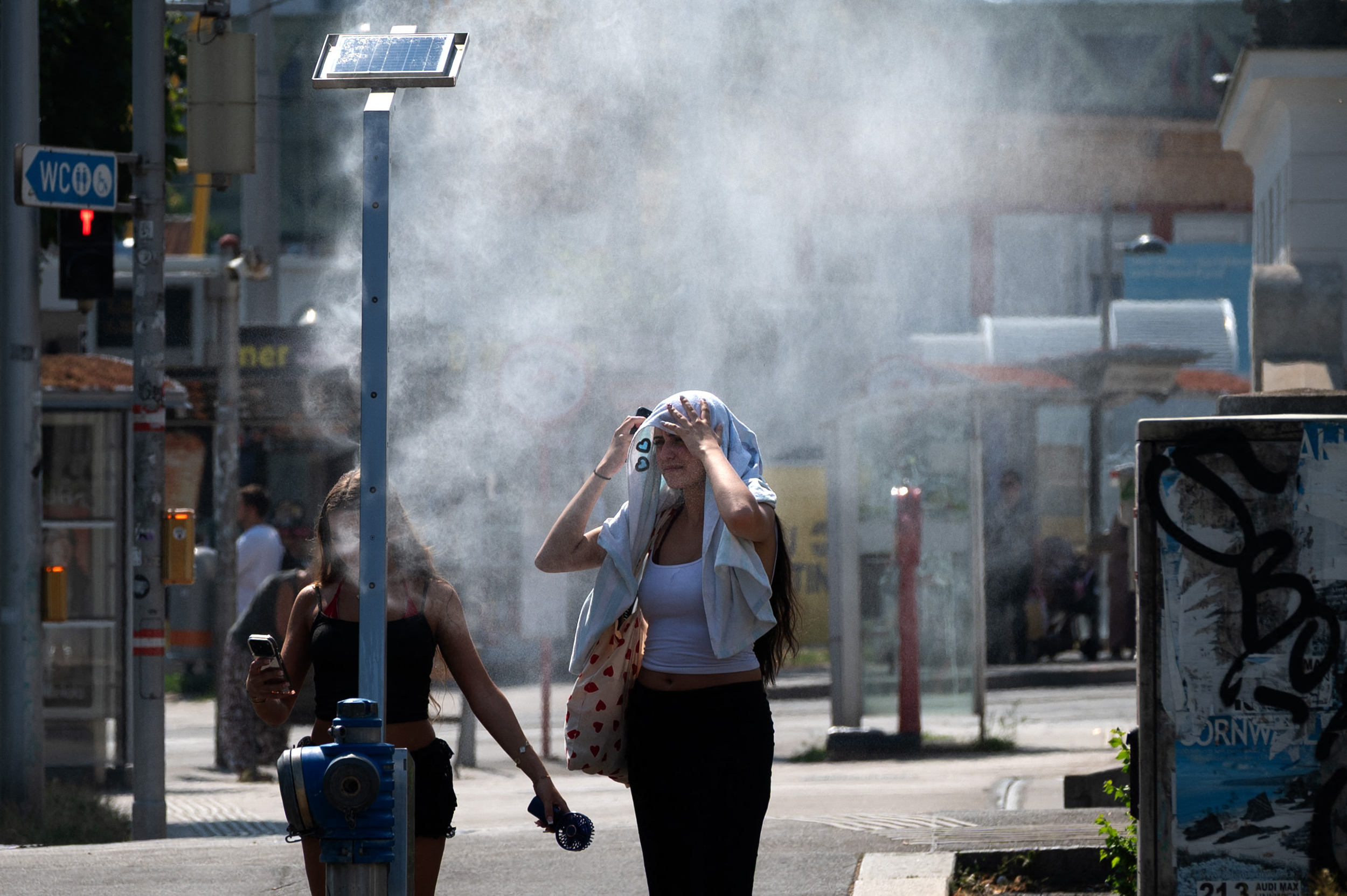
Europe's deadliest heatwaves in years have triggered political backlash across the continent as elected officials face pressure over their inadequate climate response despite pursuing policies that intensify the crisis.
Since June, successive heatwaves have battered much of Europe, draining major rivers and leaving citizens and opposition parties demanding accountability from governments they view as unprepared. The political fallout extends beyond blame for failed emergency response. Critics argue that sitting governments continue backing fossil fuel investments and energy policies that accelerate warming, creating a collision between electoral promises on climate action and legislative reality.
Austria exemplifies this tension. Linz and other Austrian cities experienced temperatures that broke historical records this summer. Austrian political parties face voter anger over heat-related deaths, healthcare system strain, and agricultural losses from drought that persisted through critical growing seasons. Yet Austria's current governing coalition includes the Austrian People's Party, which has resisted accelerating coal phase-out timelines and renewable energy expansion at rates climate scientists say the crisis demands.
The pattern repeats across Europe. France, Spain, Portugal, and Greece all documented excess deaths tied to heat this season. Greece's wildfires, intensified by heat and drought, killed dozens and destroyed villages. Portugal experienced similar fire catastrophes. These events sharpened public focus on government climate policy in national parliaments and the European Parliament.
In many cases, opposition parties have weaponized climate inaction as a central campaign issue. Green parties and progressive coalitions have gained electoral ground by contrasting their climate platforms against center-right and conservative parties they characterize as climate laggards. This creates electoral incentives for governments to appear responsive to extreme weather without fundamentally restructuring energy systems.
The European Union's climate commitments require member states to achieve net-zero emissions by 2050 and cut emissions by 55 percent by 2030, targets enshrined in the Fit for 55 legislative package. Individual nations have adopted varying domestic timelines. Yet implementation remains fragmented. Some governments prioritize immediate renewable energy deployment; others maintain natural gas expansion as a transitional fuel strategy that climate advocates argue delays necessary decarbonization.
The political dimension of European heat extremes reflects broader global patterns. Scientific attribution studies demonstrate that human-caused climate change has increased the probability and intensity of heat waves across the Northern Hemisphere. The World Health Organization estimates that extreme heat kills more people annually than other weather phenomena.
For voters experiencing record heat and its cascade effects—water rationing, electrical grid strain, agricultural failure—government climate policy no longer registers as abstract or technical. Heatwaves translate policy into personal consequences. Elderly citizens hospitalized for heat stroke, farmers facing crop losses, and workers losing productivity in uninsulated workplaces become constituencies demanding change.
This summer's European experience suggests that climate extremes will drive electoral realignment. Parties perceived as blocking climate action face erosion. Those proposing rapid energy transition gain support. The challenge for incumbent governments involves reconciling campaign positions with entrenched economic interests that resist decarbonization. That gap between rhetoric and action fuels the political tensions now visible across Europe's heat-stressed nations.