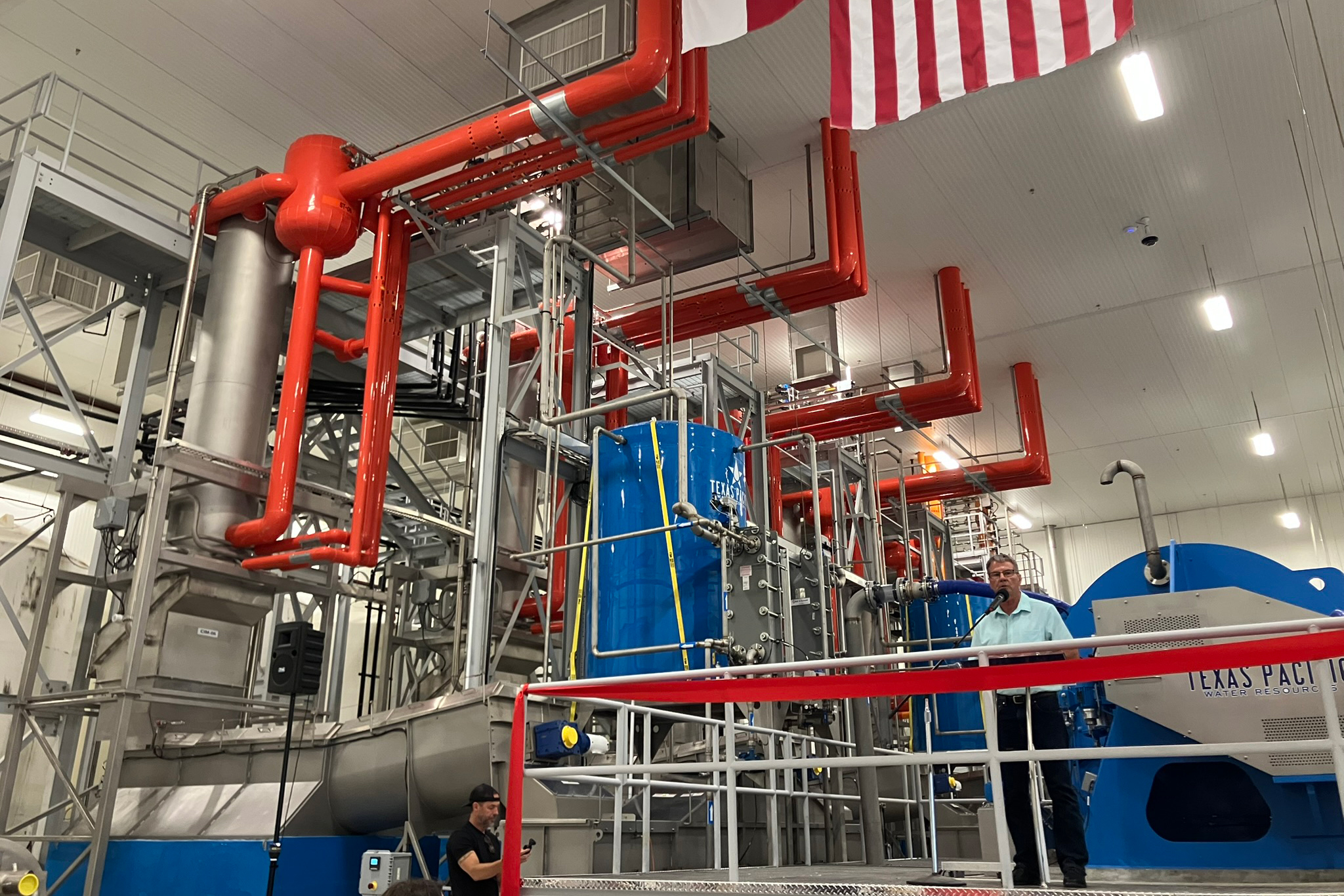
Texas oil and gas operators face a critical disposal crisis as underground injection capacity nears exhaustion in the Permian Basin. The industry generates approximately 1 billion gallons of produced water daily, a toxic byproduct containing salts, heavy metals, and radioactive materials. Current disposal methods rely on injecting this wastewater deep underground, but state officials and industry leaders now warn that available subsurface space is depleting rapidly.
Elected officials and petroleum industry representatives are pushing regulators to approve alternative disposal routes. They advocate allowing treated produced water to discharge into rivers and onto rangeland across West Texas and southeastern New Mexico, arguing this represents the only viable path forward as injection capacity saturates.
The proposal carries substantial environmental and public health risks. Produced water contains high concentrations of chlorides and other contaminants that threaten freshwater aquifers and surface water quality. Even treated water may retain problematic substances. The Pecos River, which depends on limited freshwater supplies across an arid region, could face contamination if discharge approvals proceed.
The disposal crisis reflects the Permian Basin's explosive production growth. Hydraulic fracturing operations in the Shale have accelerated over the past decade, generating unprecedented volumes of wastewater. While injection wells have historically handled disposal, geological constraints and regulatory capacity limits have tightened availability.
Texas Railroad Commission, which oversees oil and gas operations, faces mounting pressure to authorize surface discharge as an alternative. The agency must weigh industry demands against potential contamination of water resources already stressed by drought and competing agricultural demands.
This moment represents a fundamental choice about how Texas manages fossil fuel extraction's environmental consequences. Expanding disposal capacity through surface discharge would externalize wastewater costs onto the public and ecosystems. The decision will establish precedent for managing produced water volumes across the nation's largest petroleum region.