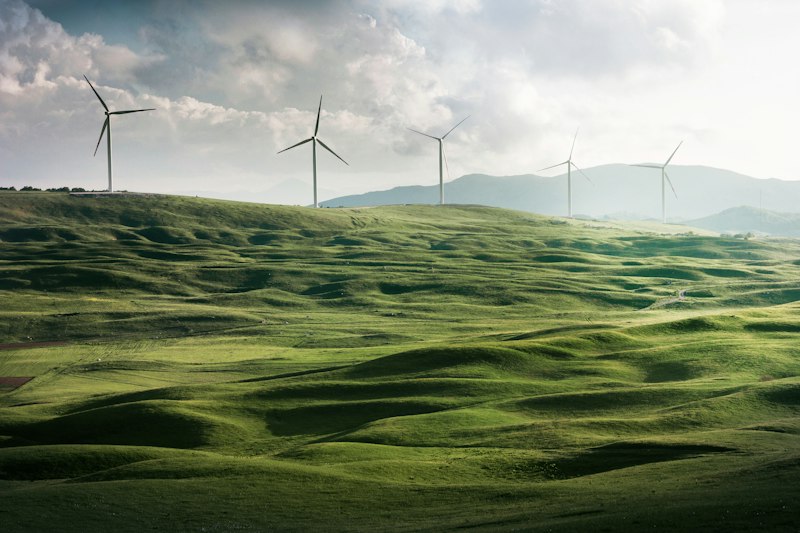
There's a seductive logic to food localization that's capturing imaginations across the developed world. As reports highlight how the UK depends on produce from heat-stressed regions that can barely sustain their own populations, the response from policymakers and sustainability advocates has been predictably urgent: we must grow more food at home, and we must do it now.
The unpopular take is that restraint, not speed, may be the smarter strategy here.
Don't misunderstand. The underlying concern is legitimate. Climate volatility is reshaping agricultural zones. Supply chain fragility became impossible to ignore during recent global disruptions. And yes, importing fruit from regions experiencing severe heat stress raises real ethical questions about resource extraction from vulnerable populations.
But the rush to implement hyperlocal food systems within the next five to ten years risks creating new problems while solving old ones.
Consider what actually needs to happen for localized food production to work at scale. You need soil remediation in urban areas that spent decades as industrial zones. You need agricultural knowledge that's been largely lost in developed nations. You need infrastructure for storage, processing, and distribution that doesn't currently exist. You need consumer behavior change. You need investment capital deployed thoughtfully rather than frantically.
Doing all of this at breakneck speed produces predictable results: poorly planned urban farms that drain municipal resources, agricultural experiments that fail after two seasons, imported "solutions" that contradict the localization goal, and eventually, public disillusionment when results don't match the rhetoric.
The projects that actually work tend to move methodically. A green space becomes an established community garden before expanding into a neighborhood food hub. Soil scientists actually test contamination before crops go in the ground. Local farmers develop genuine markets rather than chasing subsidies that disappear when political winds shift.
Speed also drives poor prioritization. When everyone's racing to claim the "greenest" credentials, you get ornamental urban agriculture showcased in media coverage while unglamorous work on supply chain resilience and crop diversity gets underfunded. A single rooftop garden in a trendy neighborhood gets celebration while regional soil conservation efforts quietly struggle for resources.
There's another dimension to this I haven't mentioned: the inequality baked into rapid localization agendas. Neighborhoods with capital, political influence, and existing infrastructure can pivot quickly. Low-income communities that actually experience the worst food insecurity often lack the resources to implement these expensive transitions, leaving them further behind.
The genuine path forward requires patience. It means investing in agricultural education for the next generation, not expecting immediate yields. It means researching which crops actually make sense in specific microclimates rather than importing whatever sounds local. It means building soil health over years, not months. It means supporting farmers through transition periods when they're converting land use.
Yes, we should reduce dependency on imports from heat-stressed regions. Yes, we should develop regional food resilience. But we should do both as deliberate, well-resourced, community-specific efforts rather than as a frantic moral panic disguised as policy.
The climate crisis has already taught us what happens when we rush transitions without planning. We don't need to repeat that lesson with food systems. Real sustainability isn't about moving fastest. It's about building systems that actually last.