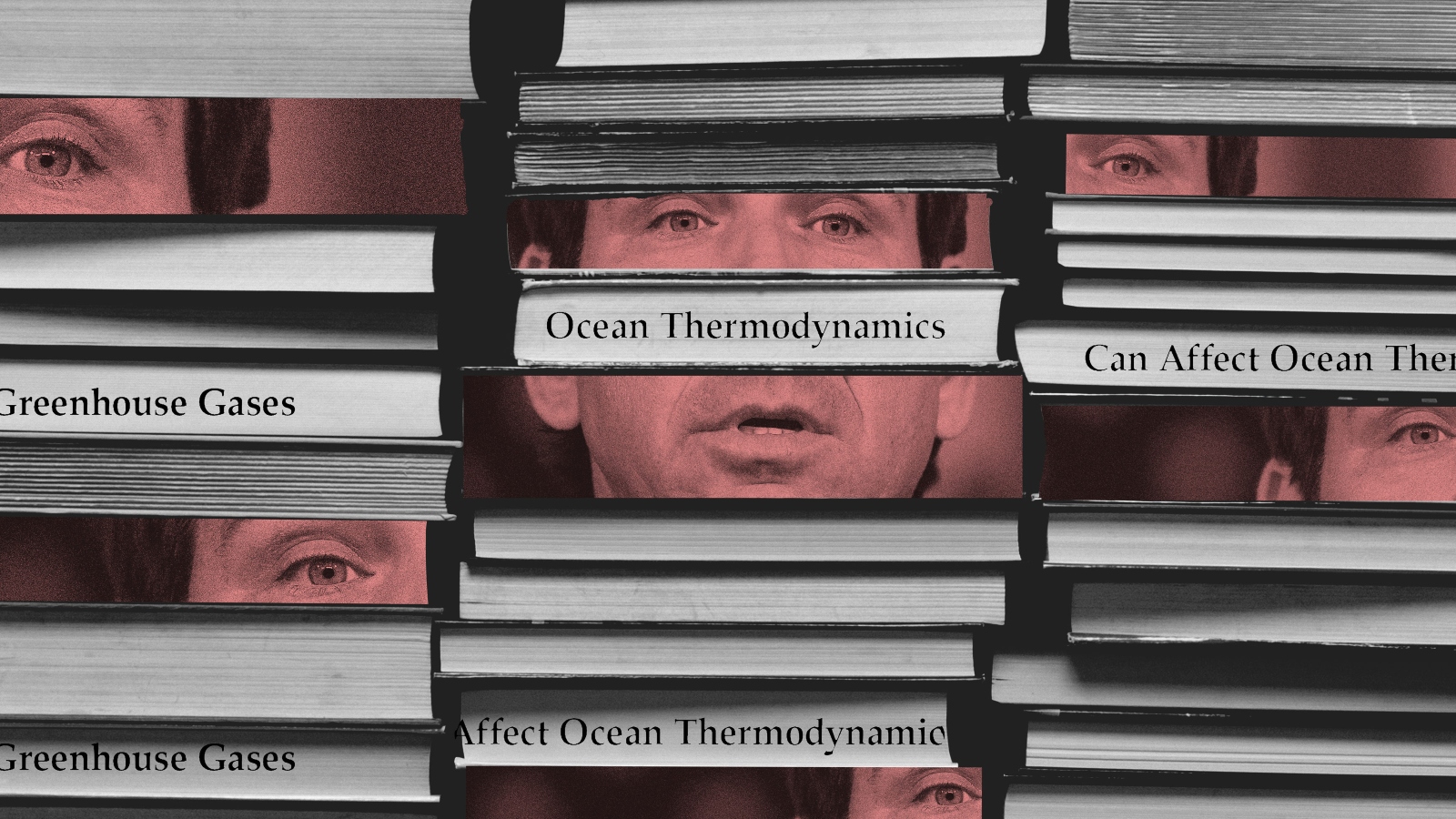
Florida textbook publishers systematically removed or diluted climate science content following requests from the state education department, a joint investigation by WUSF and the Hechinger Report reveals. The removals occurred across multiple publishers and grade levels, weakening explanations of climate change causes, impacts, and solutions.
State education officials requested that publishers soften language around human-caused climate change and reduce discussion of environmental consequences. Publishers complied, altering passages that previously conveyed the scientific consensus on climate change. One example involved removing text describing how burning fossil fuels contributes to atmospheric warming.
The modifications affect students across elementary and secondary grades. Publishers made changes to both factual statements and the framing of climate science, shifting from definitive language to qualified statements that introduce doubt about established science.
Florida's Department of Education has now moved to update its science standards, potentially institutionalizing these shifts. The standards revision process will determine what climate science all Florida schools must teach going forward.
The investigation documents a pattern where educational content aligns with political preferences rather than scientific evidence. The moves contradict the National Assessment of Educational Progress standards and align Florida with broader efforts to restrict climate education in state curricula.
Textbook adoption occurs through state-level approval processes. Florida's system gives education officials significant power over what content reaches classrooms. Publishers, dependent on state adoption decisions for revenue, face pressure to accommodate state requests.
Scientists and education advocates have raised concerns that removing climate science undermines student preparation for understanding environmental challenges and career readiness in renewable energy and climate adaptation sectors. The Florida Science Teachers Association has expressed alarm over the content reductions.
This approach differs markedly from states like California and New York, which have strengthened climate science requirements in their standards. Florida's actions represent one of the most documented instances of systematic climate content removal from state textbooks, making it a test case for how political pressure reshapes science education.
CATEGORY