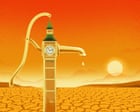
Britain faces unprecedented climate volatility as extreme weather swings intensify. This summer ranks among the hottest and driest in English history, with successive heatwaves causing nearly 3,000 excess deaths. The punishing drought will likely give way to an exceptionally wet winter, creating a pattern of climatic whiplash that challenges infrastructure, agriculture, and public health systems simultaneously.
This oscillation between extremes marks a departure from historical climate patterns. Traditional seasonal variation allowed ecosystems and human systems to adapt within predictable bounds. The new climate reality compresses these transitions, forcing rapid shifts from water scarcity to flooding within months rather than gradual seasonal change.
The health toll already materializes. Heat-related mortality has nearly doubled compared to previous years, straining emergency services and revealing vulnerabilities in care for elderly and disadvantaged populations. Simultaneously, the preceding drought stressed water supplies, forcing restrictions on agriculture and household use during peak summer demand.
Infrastructure built for historical weather patterns fails under these extremes. Water treatment systems designed for moderate seasonal variation struggle with alternating drought and deluge. Flood defenses sized for typical winter precipitation prove insufficient when precipitation intensity increases. Power grids face concurrent strain from extreme heat demand and storm-related outages.
The agricultural sector experiences cascading losses. Summer drought reduced crop yields and stressed livestock. Winter flooding damages soil structure, contaminates fields with saltwater or silt, and destroys stored feed reserves. Farmers face compressed planning windows as planting and harvesting schedules shift unpredictably.
Climate modeling predicts this volatility will intensify throughout the coming decades. The UK Climate Projections indicate continued warming paired with more erratic precipitation patterns. Winters will bring heavier rain events, while summers grow hotter and drier. This divergence from stable conditions requires systematic adaptation across water management, urban planning, healthcare, and agricultural practice.
Britain requires rapid