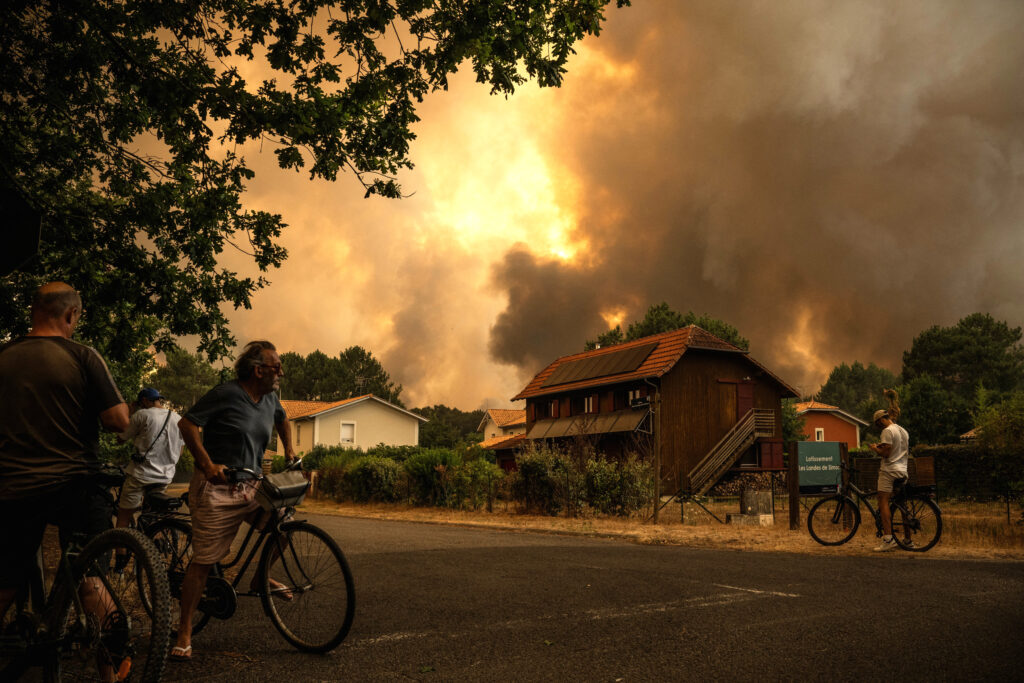
European wildfire footprints will expand dramatically this century regardless of near-term climate action, according to new research. Scientists project burned land area could increase 39 percent by 2100 even under rapid emissions-reduction scenarios. If high emissions persist, burned acreage could nearly triple, jumping 192 percent.
The research underscores a critical threshold in climate response. Aggressive global emissions cuts over the next decades remain the most effective lever for limiting wildfire spread across Europe. Without such reductions, the continent faces compounding fire risk driven by rising temperatures, extended fire seasons, and drier conditions that intensify fuel availability.
The 39 percent increase even with declining emissions reflects climate inertia. Greenhouse gases already in the atmosphere will warm the planet for decades, shifting fire regimes independent of future policy choices. This gap between unavoidable and preventable damage frames the stakes for emissions action now.
Europe has experienced record wildfires in recent years. Portugal, Spain, Greece, and other southern nations saw intense fire seasons in 2022 and 2023, destroying forests, displacing communities, and straining emergency resources. Northern regions, historically less fire-prone, have also experienced unprecedented burns as climate patterns shift.
The findings align with broader climate science showing Europe warming faster than the global average. Mediterranean regions face particular vulnerability, with projections showing longer, hotter fire seasons by mid-century. Eastern European forests and Scandinavian ecosystems, currently less adapted to frequent fires, also face escalating risk.
Emissions reductions directly influence the upper bound of fire impacts. The 192 percent scenario reflects a high-emissions pathway where global carbon output continues rising. The 39 percent baseline still represents severe disruption but leaves less room for adaptation failure and provides communities with more time to implement fire prevention infrastructure, land management strategies, and evacuation protocols.
Wildfire projections