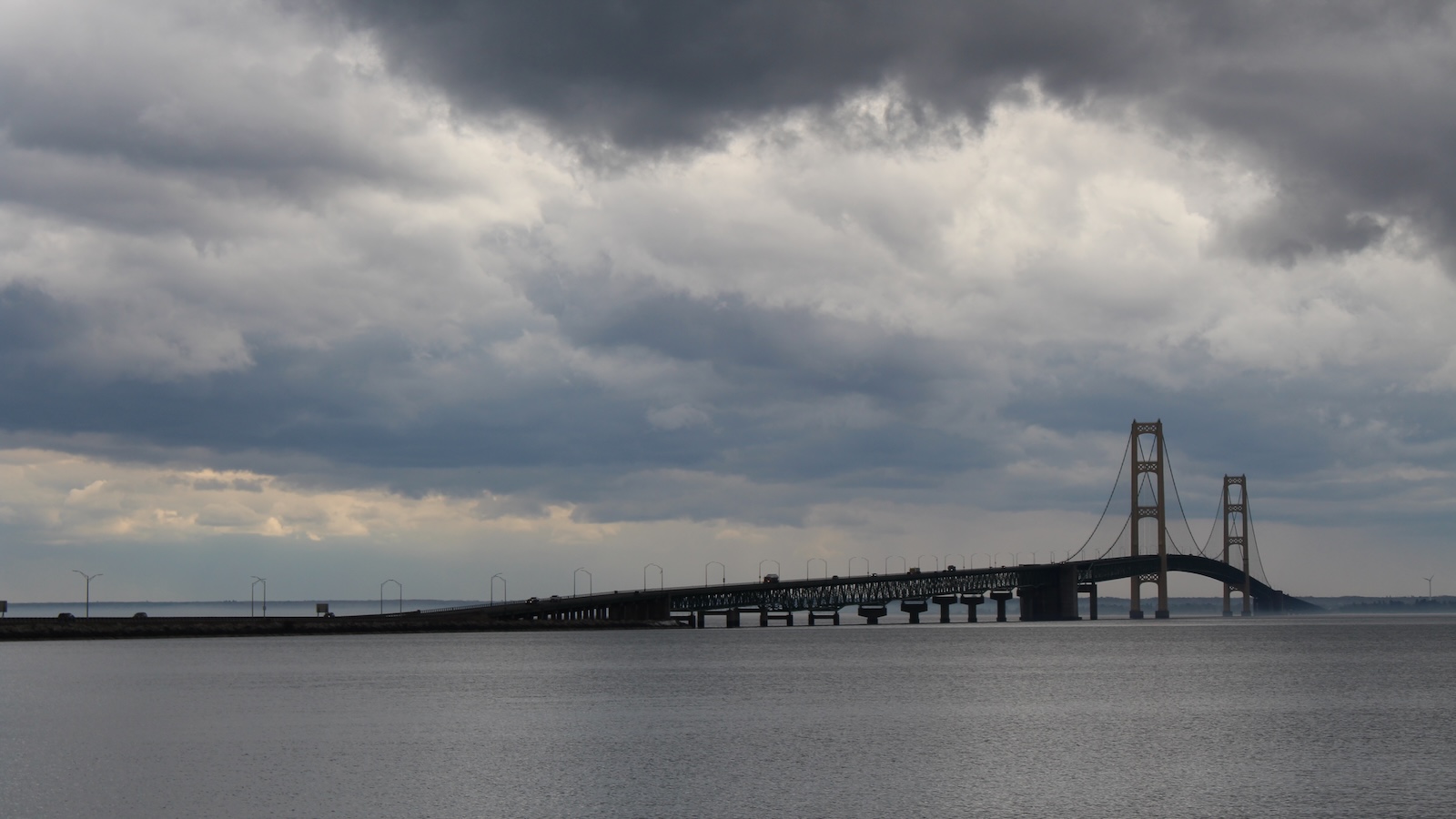
The U.S. Army Corps of Engineers issued a permit for the replacement of an aging segment of the Line 5 pipeline despite acknowledging the project will harm Indigenous lands in the Great Lakes region. The permit came from the Detroit District of the Corps, which oversees the waterway crossing in the Straits of Mackinac between Michigan's upper and lower peninsulas.
Enbridge Energy filed the permit request to replace the existing 645-mile pipeline that carries crude oil across the sensitive freshwater ecosystem. The Corps documented in its environmental review that the project poses risks to tribal treaty rights and Indigenous cultural resources, yet authorized the work anyway.
Anishinaabe nations, including the Sault Ste. Marie Tribe of Chippewa Indians, the Grand Traverse Band of Ottawa and Chippewa Indians, and others, argue the permit violates the 1836 Treaty with the Ottawa and Chippewa Nations, which guarantees hunting, fishing, and harvesting rights in traditional territories. These tribes maintain the pipeline replacement fails to adequately protect those rights under federal law.
The pipeline crosses the Straits of Mackinac, one of North America's busiest shipping channels and a critical food source for Great Lakes tribal communities. The existing line dates to 1953. Enbridge contends a new pipeline incorporates modern safety features, but tribes and environmental advocates worry about spill risks in a region where a rupture could devastate the ecosystem and Indigenous subsistence practices.
Michigan state regulators must still grant easement authority before construction can begin, providing a secondary approval checkpoint. The state Mackinac Straits Corridor Authority, which oversees the waterway crossing, previously rejected an Enbridge proposal in 2016.
The Corps decision highlights a recurring tension in federal permitting: agencies acknowledge environmental and cultural harm in public documents yet proceed with approvals anyway