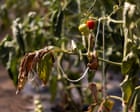
The UK depends on fruit and vegetable imports from countries facing greater climate stress, leaving Britain vulnerable to food price volatility and supply disruptions, according to research from the Food Foundation.
Approximately 40 percent of Britain's food comes from imports. Many of these source countries experience more severe heat stress and drought than the UK itself. The Food Foundation warns this dependency creates a structural risk: when heat waves and dry conditions strike major supplier nations, British consumers face price shocks and potential shortages for staple produce.
The report emerges as the UK endured five record heatwaves in a single year, along with drought conditions and wildfires. Researchers point out that Britain possesses arable land and climate conditions suitable for growing much of the produce it currently imports. Yet domestic agricultural production has declined relative to import reliance over decades.
The Food Foundation identifies specific vulnerabilities. Spain, a leading supplier of UK vegetables, has experienced severe droughts. Turkey and North Africa, major sources of fruit imports, face intensifying heat stress that reduces yields. Morocco, which supplies significant quantities of winter vegetables, confronts water scarcity and rising temperatures that threaten harvests.
The analysis underscores a policy gap. UK agricultural investment and land use have favored other sectors, leaving domestic fruit and vegetable production lower than domestic consumption demands. Reversing this requires deliberate policy shifts toward supporting UK growers, improving agricultural resilience, and reducing import dependency for essential crops.
The report recommends the government prioritize domestic production capacity for fruits and vegetables through targeted support and land use reform. This would buffer Britain against climate-driven price shocks affecting supplier nations while building food security.
Climate instability in major exporting regions poses a direct threat to UK food affordability and availability. The Food Foundation argues that reducing import dependency through expanded domestic production represents both an economic and food security imperative.