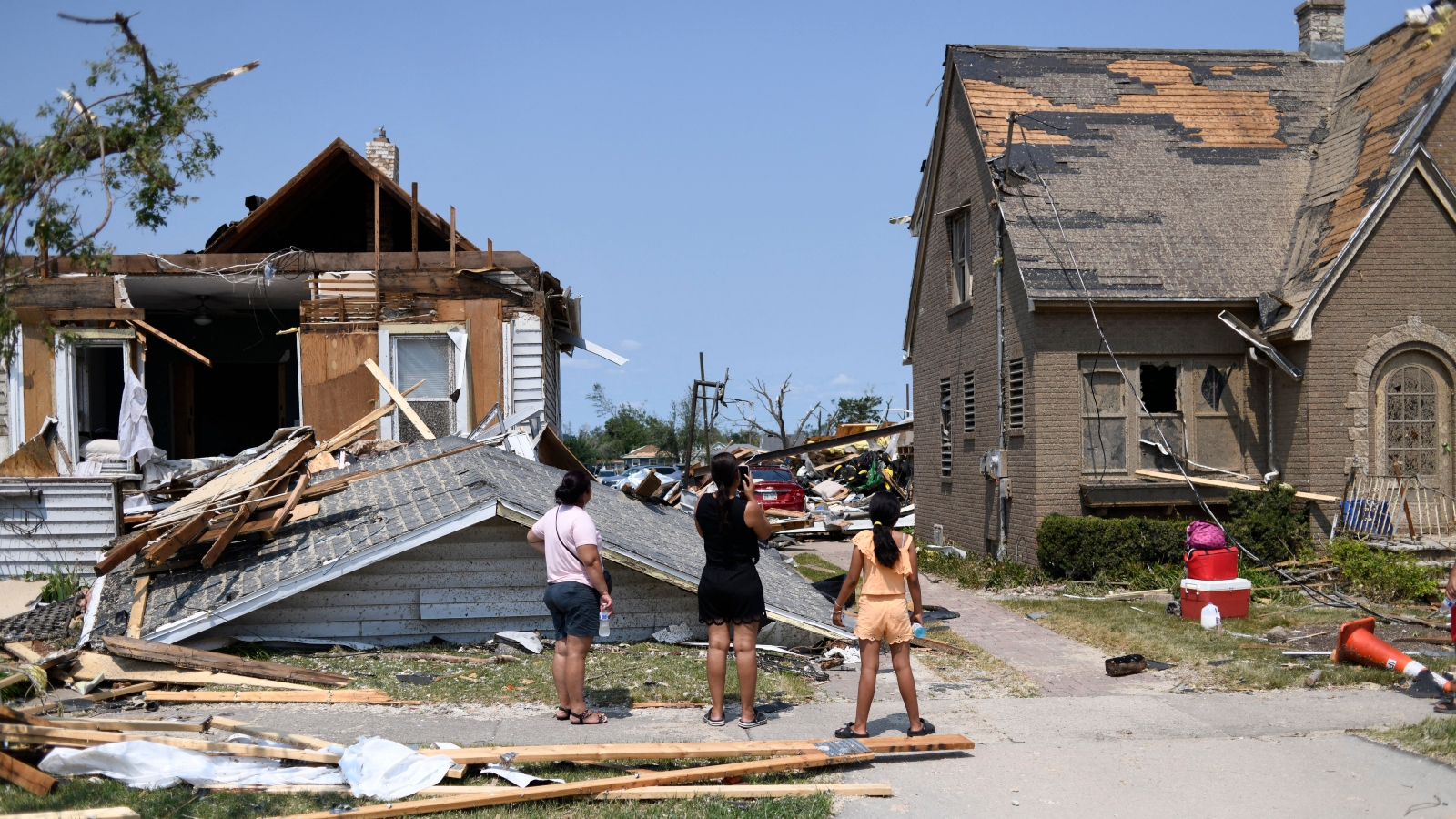
A Gallup survey released this week reveals that Americans experiencing extreme weather disasters show markedly different worldviews than those untouched by such events. Disaster victims report significantly higher levels of fatalism, expressing belief that the future lies beyond their control.
The polling data tracks a psychological shift tied directly to climate-related events. Respondents who survived hurricanes, floods, wildfires, or other extreme weather phenomena demonstrated reduced confidence in their ability to influence outcomes. This fatalism extends across multiple domains: financial planning, career decisions, and civic engagement all show measurable decline among disaster-affected populations.
Gallup researchers found that the effect persists even after accounting for socioeconomic factors and prior mental health conditions. The severity of personal loss correlates directly with the depth of this helplessness. Those who lost homes or experienced serious injuries registered the most pronounced shifts in outlook.
The survey captures a troubling feedback loop. As extreme weather events intensify due to climate change, larger portions of the American population face direct exposure to disaster. Each event erodes confidence in future stability. This psychological erosion translates into concrete policy consequences. Citizens who feel powerless vote differently. They participate in community planning less. They make less ambitious personal investments in long-term resilience.
Climate scientists note that the U.S. experiences more frequent and intense weather extremes than a decade ago. The 2023 and 2024 hurricane seasons produced costlier storms. Western wildfires have expanded their ranges. Flooding events have become more severe in multiple regions.
The Gallup findings complicate the narrative around climate adaptation. Public messaging often emphasizes human agency and preparation. Yet the data suggests that repeated trauma from extreme events undermines the psychological foundation required for sustained adaptation efforts. Communities rebuilding after disaster need not just infrastructure investment and policy support. They need restoration of agency itself.
This psychological dimension of climate change remains