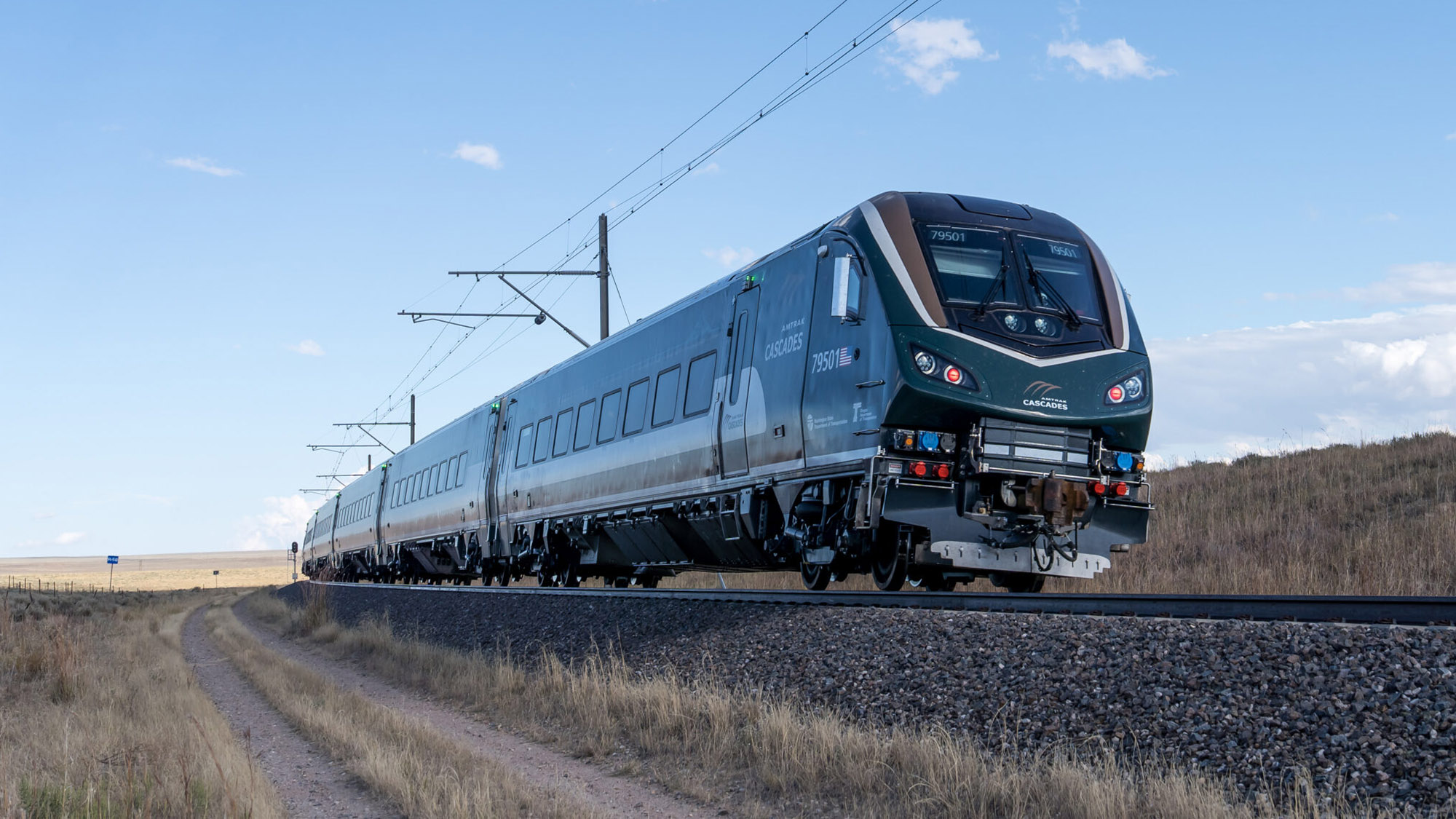
Amtrak has begun deploying its new Airo fleet, a $8 billion investment in next-generation passenger rail cars designed to reduce emissions and improve service reliability. The trains feature updated technology and cleaner operations as ridership on U.S. passenger rail networks reaches historic highs.
The Airo trains represent a substantial modernization of Amtrak's aging fleet. The new vehicles incorporate improved fuel efficiency and lower emissions profiles compared to the equipment they replace. Passenger rail has experienced record ridership in recent years, driven partly by growing demand for lower-carbon transportation alternatives to cars and planes.
However, the future of passenger rail expansion in the United States remains uncertain. Federal funding for rail infrastructure and operations faces political headwinds in Washington. The Biden administration has supported rail development through infrastructure investments, but long-term commitments remain contested in Congress.
Amtrak's ridership surge reflects broader transportation trends. Americans increasingly seek alternatives to driving as concerns about emissions and congestion mount. Passenger rail produces significantly fewer greenhouse gases per passenger-mile than automobiles or air travel. A single Amtrak train can remove hundreds of cars from highways, reducing fuel consumption and tailpipe emissions.
The Airo fleet deployment addresses one of passenger rail's historical weaknesses. Older equipment required frequent maintenance and experienced reliability issues that frustrated riders. The new trains incorporate digital monitoring systems and improved mechanical components designed to reduce downtime and operating costs.
Transportation represents roughly 27 percent of U.S. greenhouse gas emissions, with road vehicles accounting for the majority. Expanding accessible, reliable passenger rail networks could meaningfully reduce transportation emissions if service expands to more routes and attracts additional riders.
The Airo rollout demonstrates private and public commitment to modernizing rail infrastructure. Yet sustained progress depends on consistent federal funding and political support. Without long-term investment certainty, Amtrak cannot fully