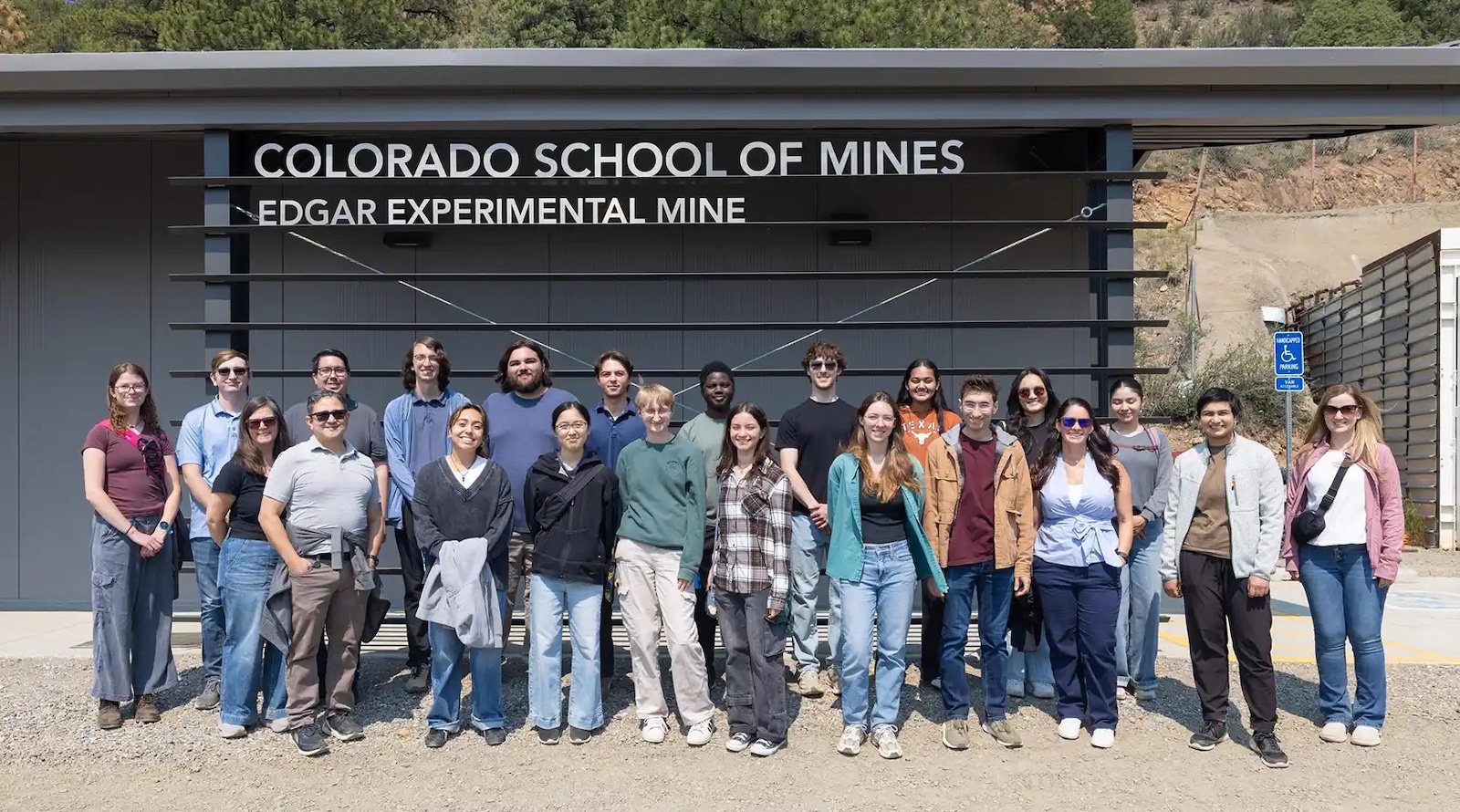
The U.S. Department of Energy's National Laboratory of the Rockies operates a summer internship program that places undergraduate students in hands-on field research across Colorado's mining regions. Twenty-one interns recently toured an underground mine west of Denver, gaining direct exposure to geological and energy-related fieldwork during peak summer conditions.
The program emphasizes practical education in resource extraction and energy science. Students work with laboratory researchers on projects connected to DOE priorities, including geological survey techniques and subsurface characterization. The mine visit introduces interns to real-world conditions where energy materials originate and how scientists assess mineral deposits and rock formations.
NLR's educational initiative addresses a workforce gap in STEM fields tied to energy development. By embedding undergraduate researchers in active field sites, the program builds technical competency in geology, geochemistry, and environmental assessment. Participants gain credentials that prepare them for careers in national laboratory research, private sector energy companies, and government agencies managing federal lands.
The program reflects broader DOE strategy to cultivate the next generation of energy scientists during a period of transition toward cleaner energy systems. Training interns in both conventional resource assessment and emerging technologies creates flexibility in career pathways. Access to NLR facilities and mentorship from experienced researchers accelerates skill development beyond what classroom instruction alone provides.
Field-based learning in mountainous terrain teaches students about terrain challenges, safety protocols, and data collection in variable conditions. Underground environments present unique obstacles: restricted visibility, temperature management, and equipment operation in confined spaces. These experiences build professional judgment essential for independent research roles.
The timing of summer programs aligns with university schedules and allows NLR to recruit students before they enter job markets or graduate programs. Early exposure to laboratory culture and research methods influences career decisions. Former interns often return as full-time staff, creating continuity in institutional knowledge and research quality.
Educational outreach to undergraduate populations represents a longer