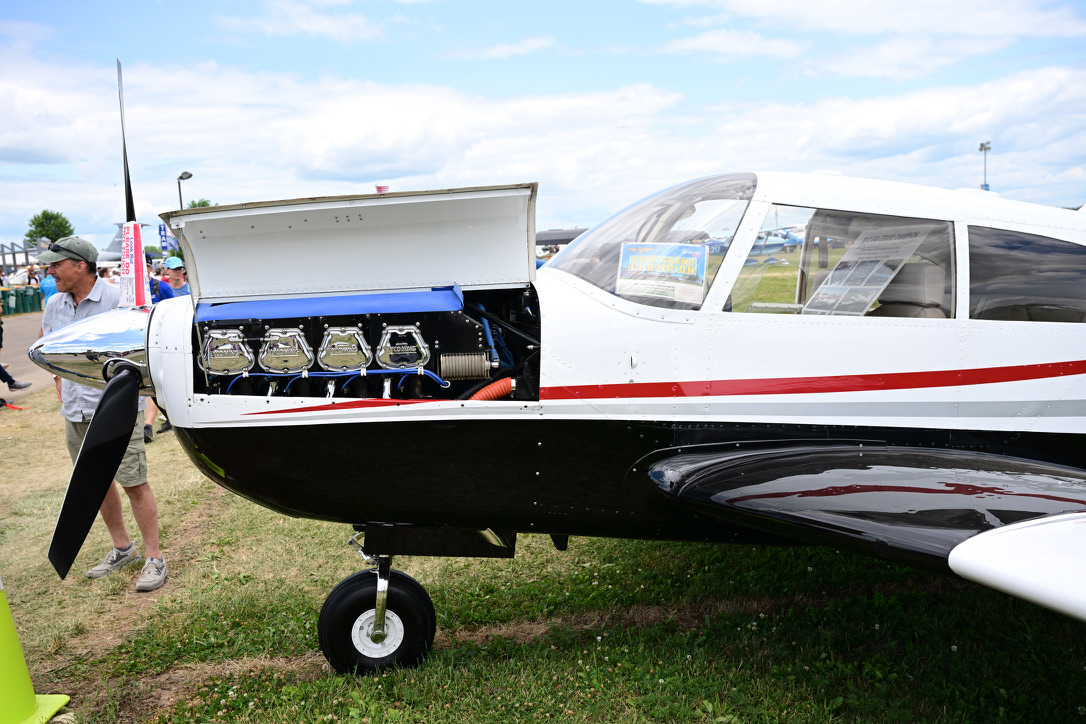
Small aircraft burning leaded fuel pose a persistent pollution problem that regulators and the aviation industry have struggled to address for years. Nearly 170,000 general aviation aircraft in the United States still run on leaded avgas, primarily 100 low-lead (100LL), which contains tetraethyl lead despite a phase-out that began in the 1970s.
The Environmental Protection Agency has identified aviation gasoline as the largest single source of lead emissions in the country, responsible for roughly half of all atmospheric lead pollution. Lead exposure causes neurological damage in children and cardiovascular disease in adults. Communities near airports absorb the heaviest concentrations.
The FAA set a deadline of December 2030 for eliminating 100LL, pushing the industry toward unleaded alternatives. However, the transition faces obstacles. General aviation pilots worry about fuel compatibility with older engines, maintenance costs, and supply chain readiness. The aviation industry has tested several replacements, including Swift Fuel and Gami G100UL, but approvals remain incomplete.
Piston-engine aircraft account for the slower regulatory pace compared to commercial aviation. General aviation lacks the economic pressure that drove faster jet fuel transitions. The scattered fleet of aging aircraft, many 40 to 60 years old, creates technical barriers that centralized commercial operations do not face.
Industry groups and environmental advocates clashed at the 2024 AirVenture convention in Oshkosh, Wisconsin, where thousands of general aviation pilots gathered. Owners expressed frustration about the deadline's feasibility. Environmental organizations countered that delayed action perpetuates unnecessary lead exposure in residential areas surrounding airports.
The EPA's enforcement reflects mounting urgency. Lead from aviation fuel deposits in soil near airports and enters drinking water systems. Children living within miles of general aviation facilities show elevated blood-lead levels compared to regional populations.
Fuel manufacturers must complete