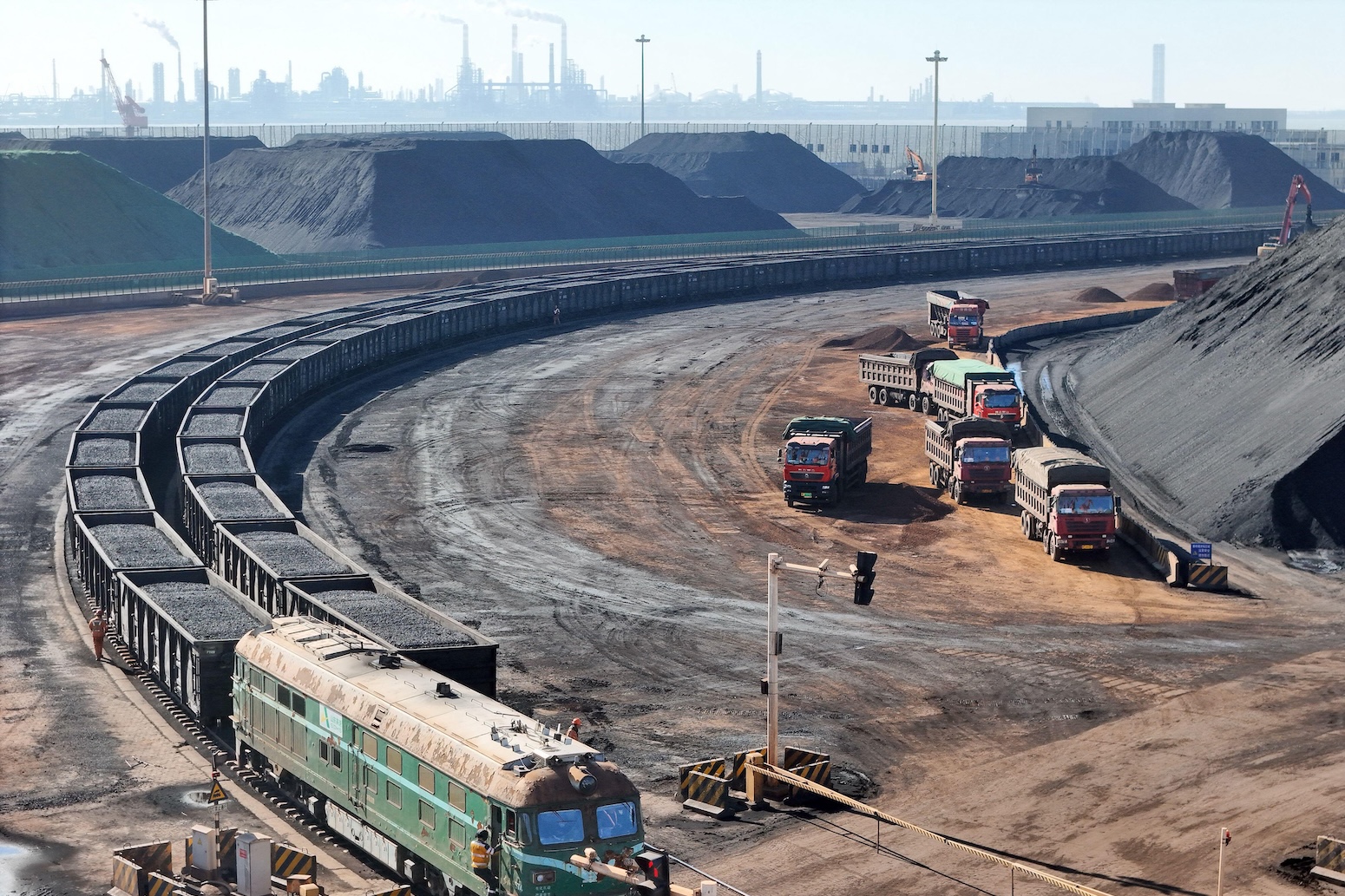
China's 15th five-year plan for coal, published as part of the country's broader policy framework, signals continued reliance on coal energy despite global climate commitments. The plan outlines production targets and consumption strategies for 2021-2025, establishing coal's role in China's energy mix during a critical period for emissions reduction.
China produces roughly 50 percent of the world's coal and consumes approximately 60 percent globally. The new five-year plan maintains coal as the foundation of China's energy infrastructure, even as the nation expands renewable capacity. This dual approach reflects tensions between climate goals and economic development priorities.
The plan constrains coal production growth but does not mandate reductions. Instead, it emphasizes "clean coal" technologies and efficiency improvements in existing operations. China aims to control coal consumption growth through industrial restructuring and stricter energy intensity standards rather than outright phase-outs.
This strategy carries implications for global climate action. China's coal consumption directly influences worldwide emissions trajectories. International climate models depend on assumptions about Chinese coal demand to project whether warming stays below 1.5 degrees Celsius or 2 degrees Celsius.
The plan also addresses coal's geographic distribution. Western provinces receive investment for coal production, while eastern regions shift toward natural gas and renewables. This reflects economic disparities and Beijing's efforts to balance development across regions.
Industry analysts note the plan contains no explicit coal retirement timeline, distinguishing China's approach from European countries pursuing complete phase-outs. Instead, China emphasizes coal's managed decline through market forces and technological efficiency rather than regulatory bans.
The five-year plan integrates with China's stated carbon neutrality target by 2060, though experts question whether current coal policies align with that ambition. Renewable energy capacity additions in the plan reach record levels, yet coal remains non-negotiable for baseline power generation and manufacturing processes.
Energy economists