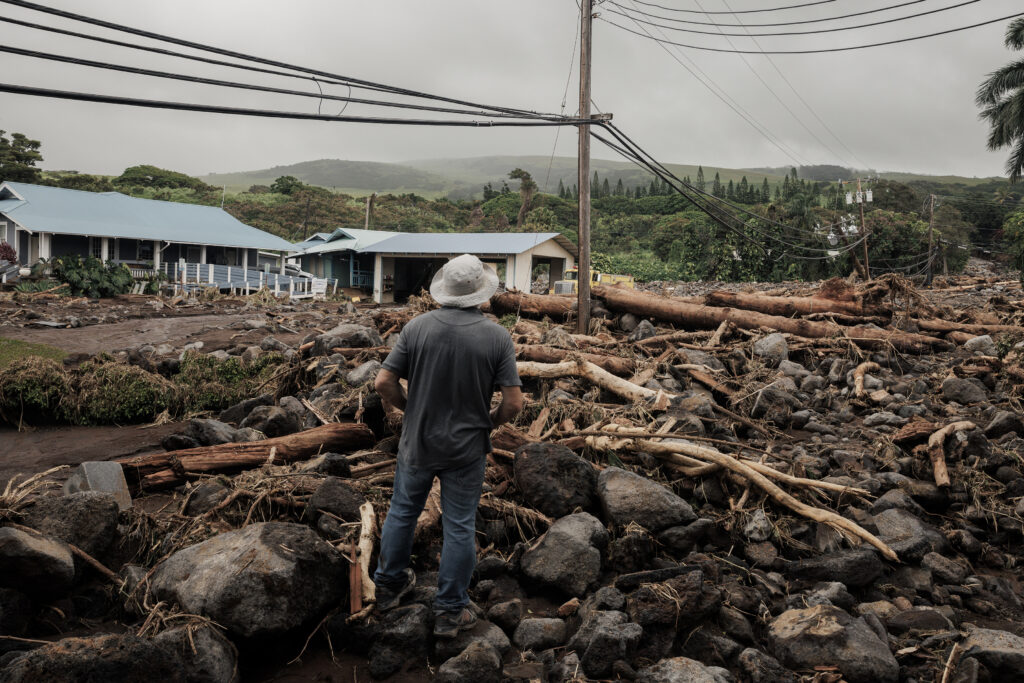
Hurricane Lala demonstrated the capacity of tropical cyclones to inflict severe damage without crossing land. The storm stalled offshore of Hawaii's Big Island over the weekend, yet produced wind gusts exceeding 60 miles per hour and rainfall totaling 10 to 15 inches in some areas. These conditions triggered mudslides that destroyed or damaged more than 100 homes across the island.
The Big Island bore the worst impacts. Fallen trees blocked major transportation routes, isolating communities and hampering emergency response efforts. Mudslides, powered by the extreme rainfall, swept through residential areas and agricultural zones. Local authorities deployed search and rescue teams to access stranded residents.
Scientists studying tropical cyclone behavior note that storms need not make direct landfall to generate destructive impacts. Moisture-laden winds extending hundreds of miles from a hurricane's center can dump substantial precipitation on vulnerable terrain. Hawaii's volcanic slopes and volcanic soil composition amplify mudslide risk during heavy rainfall events. The islands' topography concentrates runoff into narrow valleys where debris accumulates rapidly.
Climate data shows tropical cyclones are intensifying faster and stalling longer over regions, both trends linked to atmospheric warming. Sea surface temperatures in the Pacific have climbed above historical averages, providing additional energy for storm development and maintenance. These shifts alter the typical hurricane season patterns that Hawaii residents have adapted to over generations.
The damage assessment continued as emergency managers evaluated infrastructure losses and surveyed affected communities. Recovery operations faced ongoing challenges from unstable terrain and secondary landslides triggered by saturated soil conditions. State officials urged residents in flood-prone areas to remain alert for additional slides as ground moisture persisted.
Hawaii's exposure to tropical cyclones makes hurricane preparedness essential, yet storms like Lala expose gaps in existing warning systems and response protocols. The state's geographic isolation in the Pacific limits evacuation options for residents, making in-place sheltering and structural