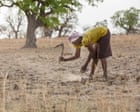
The UN Convention to Combat Desertification convenes this week in Mongolia for Cop17, where delegates will begin allocating over $12 billion to vulnerable nations confronting drought and land degradation. The conference gains urgency as the northern hemisphere experiences what may become the hottest year on record, with wildfires consuming swaths of North America and Europe while intense heatwaves grip Asia.
Extreme weather events have elevated desertification talks to higher priority status within global climate negotiations. The funding pool represents a substantial commitment to address land degradation, which accelerates water scarcity, reduces agricultural productivity, and forces migration in affected regions. Drought now ranks among the costliest climate disasters, with the UN estimating that land degradation affects over one billion people globally and threatens food security for nearly half the world's population.
The $12 billion allocation will direct resources toward restoration projects, sustainable land management practices, and adaptation infrastructure in countries most vulnerable to desertification. Nations across Africa, the Middle East, Central Asia, and parts of Latin America face the severest threats from expanding arid zones and deteriorating soil quality.
Cop17 delegates must navigate competing priorities in deploying these funds. Decisions will determine whether money flows toward immediate drought relief, long-term restoration of degraded lands, or preventive measures in regions showing early warning signs. The allocation process tests whether wealthy nations fulfilling climate finance commitments can sustain pledged funding levels amid domestic economic pressures.
The timing reflects shifting recognition within international climate frameworks. Desertification negotiations historically attracted less attention and funding than carbon emissions reductions or renewable energy transitions. Rising temperatures and unprecedented drought severity have reframed land degradation as a climate crisis demanding equivalent resources and political attention. The $12 billion commitment, while substantial, falls short of what UN agencies and affected nations estimate is necessary. The Global Land Outlook calculates that reversing