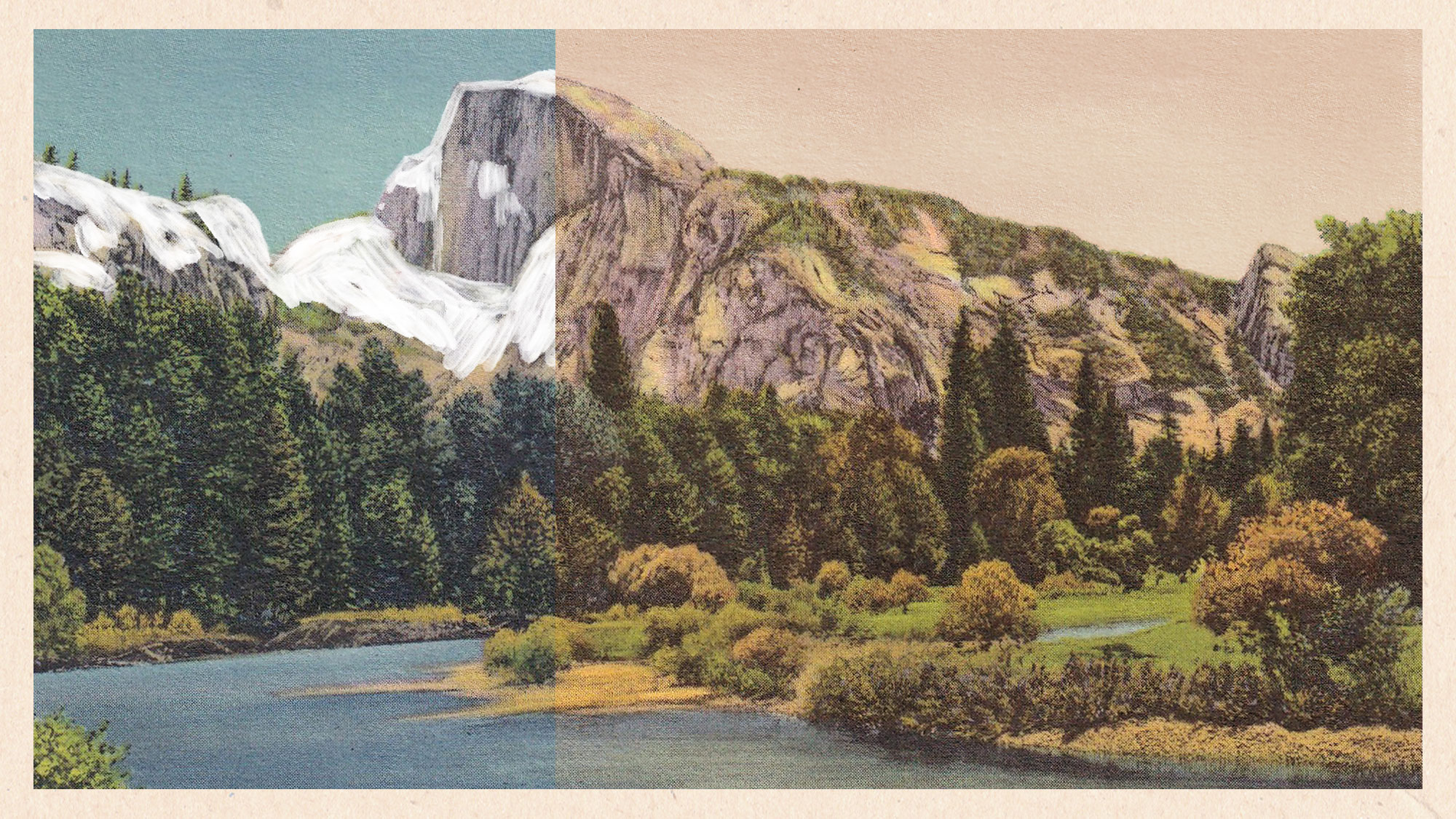
Scientists have identified a new category of extreme weather event called "snow eaters." These heat waves trigger rapid snowpack melting across the U.S. West, occurring with increasing frequency and arriving earlier each season.
The phenomenon differs from traditional heat waves. Rather than sustained high temperatures, snow eaters feature brief periods of unseasonably warm weather that dramatically accelerate snowmelt. Research shows these events are becoming more common as climate patterns shift.
Snow eaters pose distinct hydrological and ecological risks. Rapid snowmelt disrupts water availability timing for downstream communities and agricultural regions that depend on gradual spring runoff. The accelerated melt also reduces soil moisture recharge and increases wildfire risk by drying vegetation earlier in the year.
The warming western atmosphere enables warm air masses to reach mountainous regions that historically stayed cold. This allows snow eaters to penetrate higher elevations where snow persists longest. Early-season snow eaters are particularly disruptive because they occur when ecosystems remain physiologically unprepared for rapid water releases and temperature shifts.
Water managers across the West now monitor these events closely. Reservoirs designed for gradual spring recharge must adjust operational protocols when sudden melt events dump water volumes into systems faster than infrastructure can handle. This creates flooding risk downstream while simultaneously depleting stored water through spillage.
Climate scientists expect snow eaters to intensify as atmospheric warming continues. Mountain snowpack, which provides natural water storage across the West, faces accelerating decline. States from California to Montana depend on snowmelt for 70 to 90 percent of their annual water supply. As snow eaters become routine rather than exceptional, water scarcity will worsen during late summer and fall when demand peaks.
The early arrival of snow eaters in the calendar year compounds these stresses. Events occurring in February or March leave longer dry seasons before autumn precipitation returns. Vegetation stress increases, wild