China released its 15th five-year plan dedicated specifically to climate action, marking the first time the country has issued a standalone climate policy document of this scope. The plan outlines Beijing's commitment to emissions reductions and energy transition across the next five years.
The framework addresses multiple sectors including energy, industry, and transportation. China has committed to accelerating renewable energy deployment, with targets for wind and solar capacity expansion. The plan also emphasizes energy efficiency improvements in buildings, manufacturing, and infrastructure to reduce overall carbon intensity.
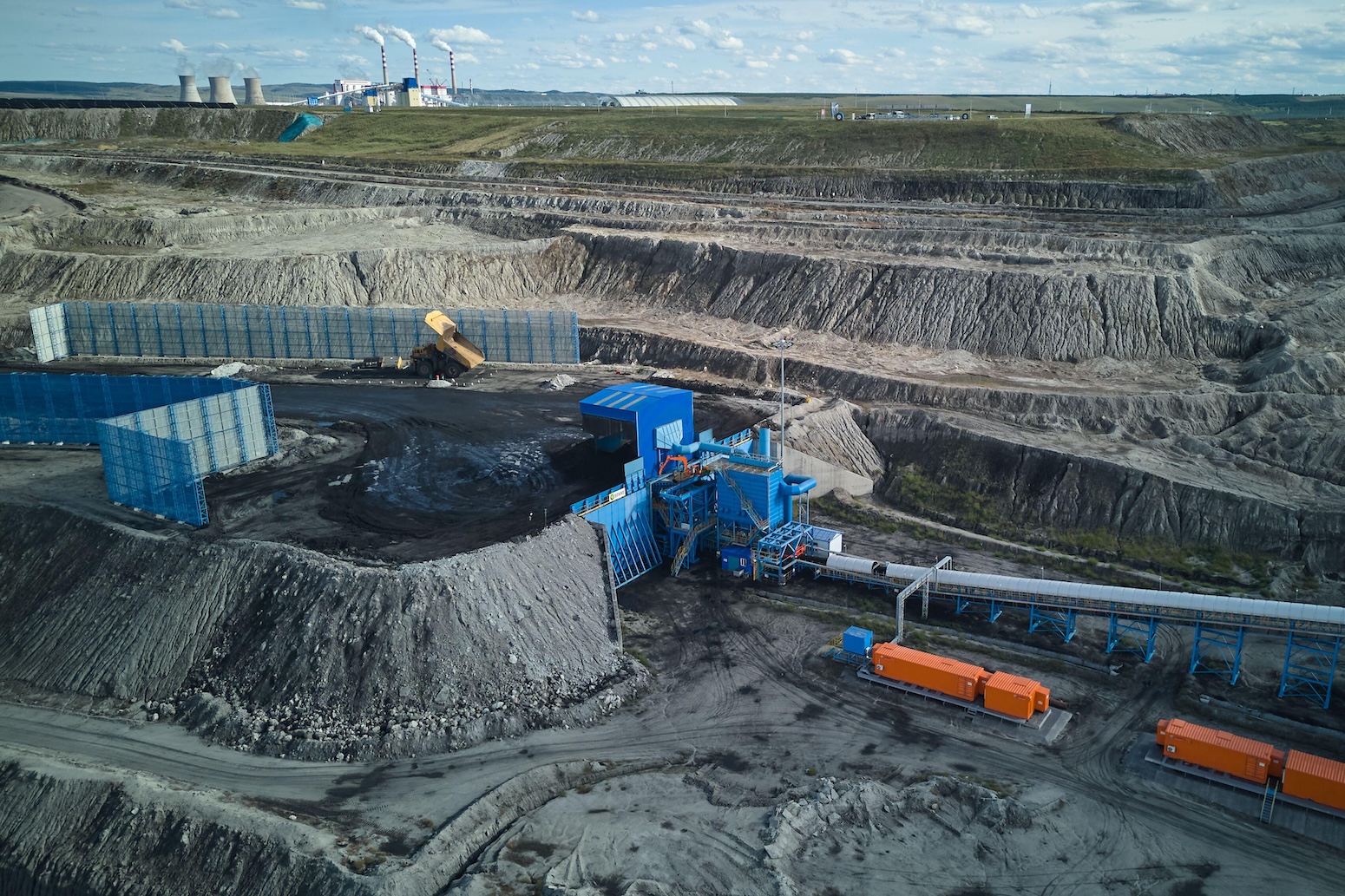
Coal consumption remains a focus area. While China continues to rely on coal for baseload power, the plan sets limits on coal use in major industrial regions and mandates efficiency standards for coal-fired plants. This reflects tension between decarbonization goals and energy security demands in the world's largest emitting nation.
The policy includes mechanisms for carbon pricing and market-based emissions control. China's national emissions trading scheme, launched in 2021 and currently covering the power sector, may expand under this plan to encompass steel, cement, and aluminum production. These industries account for significant portions of China's total greenhouse gas output.
Methane emissions receive explicit attention for the first time in a five-year plan, with measures targeting coal mining operations and waste management. This aligns with international methane reduction commitments China made at COP26.
The plan also addresses adaptation alongside mitigation. It includes provisions for climate resilience in agriculture, water resources management, and disaster preparedness in regions vulnerable to flooding, drought, and temperature extremes.
China's climate actions carry global implications. As the source of roughly 30 percent of worldwide annual emissions, progress or delays in Chinese climate policy directly affect global temperature trajectories. The explicit dedication of policy resources to climate suggests Beijing views decarbonization as compatible with economic development, though implementation challenges remain significant given the country's industrial scale and continued economic growth targets.