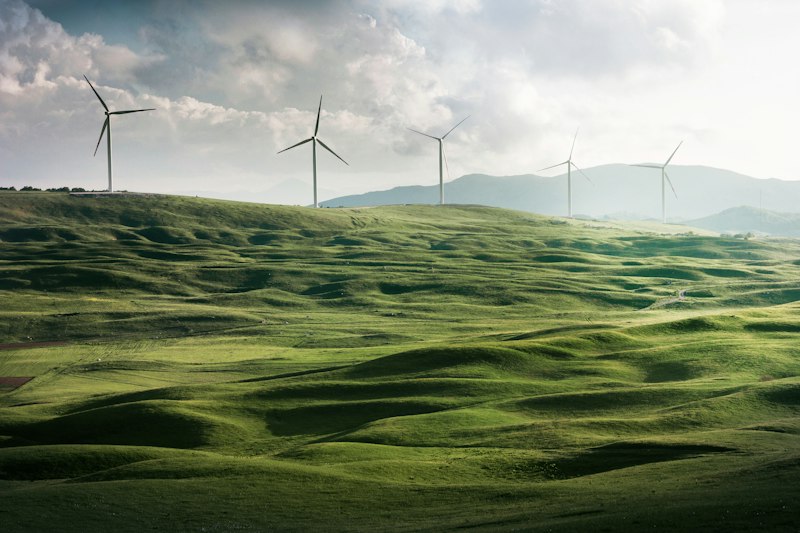
The consensus among energy analysts is comforting: renewable energy is scaling, costs are dropping, and the transition is inevitable. Check the headlines. Offshore wind is expanding. Solar rooftops are multiplying. Hydropower partnerships are being announced across borders. The arc of history bends toward decarbonization, and we're all supposed to feel reassured.
But the real story hiding inside this progress isn't about whether renewables will dominate energy supply. They will. The better question is what breaks when we actually get there.
Consider the emerging reality: distributed energy systems are becoming sophisticated enough to participate in wholesale electricity markets. Companies are now aggregating residential solar panels and home batteries into virtual power plants that bid directly against utility-scale generation. Consumer-facing firms are selling energy capacity to data centers and AI operators. The technology works. The economics are starting to work.
What doesn't work is the regulatory architecture underneath.
The grid was designed around a one-way conversation: utilities controlled generation and dispatch, regulators approved their rates, consumers paid and received power. Distributed renewables with storage break this model entirely. When your rooftop solar and your battery can participate in the wholesale market, when aggregated household capacity can respond to price signals in milliseconds, when a solar company is simultaneously acting as a utility, retailer, and grid operator, which rules actually apply?
We're seeing this play out in real time. Regulators are scrambling to classify new business models. Some states welcome demand-response aggregators; others treat them with suspicion. Interconnection queues that once moved at bureaucratic speeds now face thousands of applications for small distributed systems. Property owners wonder if they can sell power from their batteries. Utilities wonder if they're utilities anymore.
The consensus narrative avoids this friction. It focuses on the happy ending: clean energy replaces fossil fuels. But the transition from a centralized grid to a distributed, software-enabled one isn't a technical problem anymore. It's a legal and regulatory one. And we're not ready.
Here's what breaks: the assumption that utilities need to own and control the means of power production to maintain grid reliability. If aggregated household systems can provide frequency regulation, voltage support, and demand response more cheaply and faster than utility-scale batteries, what justifies utility monopoly over these functions? The answer is no longer "we don't know if it's reliable." We do. The answer is increasingly "we've never structured things this way before."
This creates pressure in multiple directions. Utilities will lobby to limit competition for grid services. Regulators will face competing demands: maintain grid stability, open markets to innovation, and keep costs reasonable for poor households who can't install rooftop solar. Developers of distributed energy resources will push for faster interconnection and less restrictive rules. Communities will worry about who benefits from the transition.
The consensus says renewables have won. But winning on generation is different from winning the restructuring game. We could end up with distributed renewable technology deployed under a utility regulatory framework designed for centralized coal plants. That would be wasteful. Conversely, we could race so fast toward market competition that we lose coordinated grid planning altogether. That would be risky.
The real work isn't scaling gigawatts anymore. It's deciding who gets to operate a grid where anyone with a battery and a data connection might act as both consumer and provider. That's the problem that makes technology look easy by comparison.