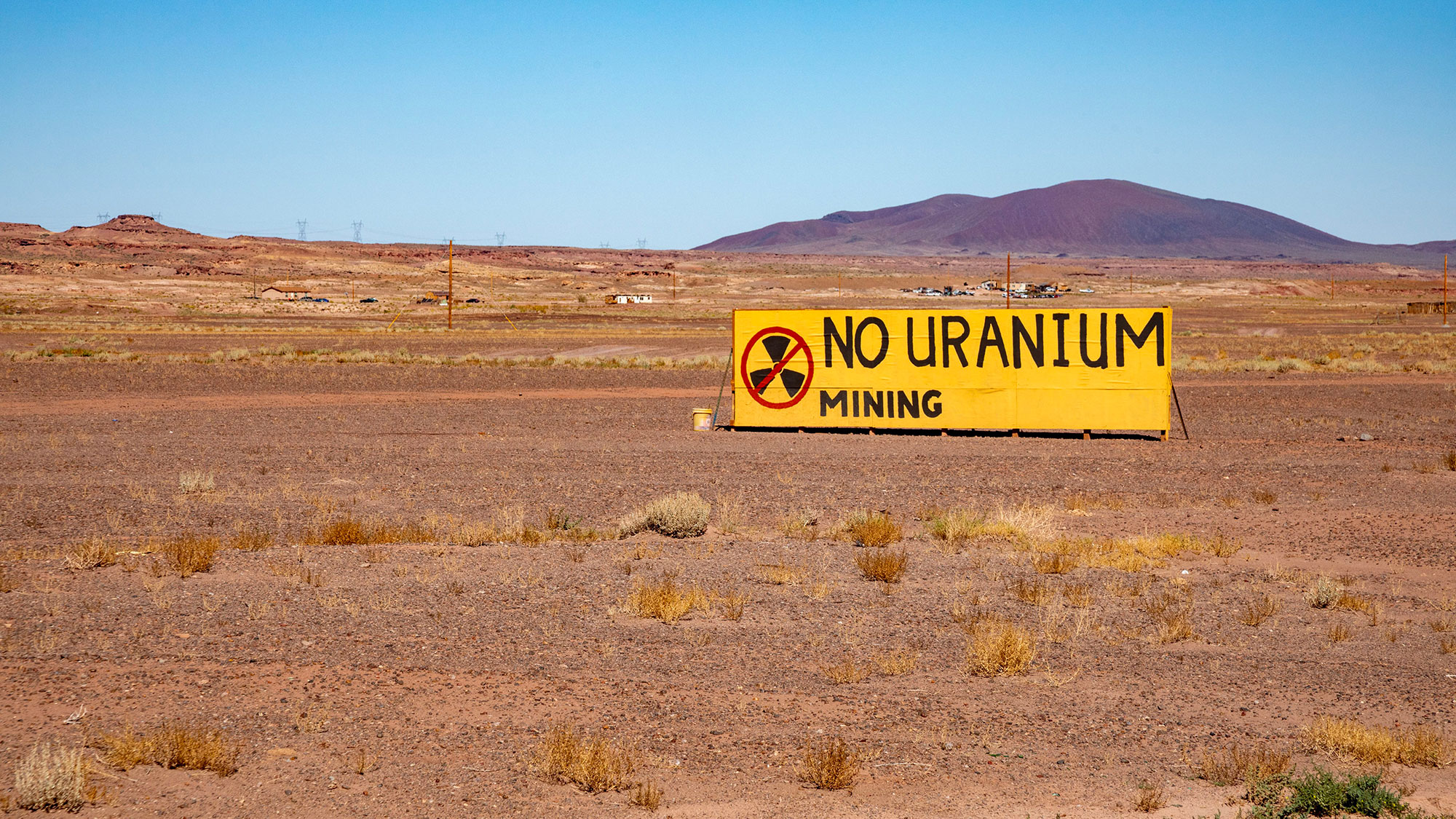
Mining executives purchased significant shares in their own company just days before President Trump reduced the Bears Ears National Monument, according to a House Democratic investigation into potential insider trading.
The timing raises questions about whether company leadership possessed advance knowledge of the monument's shrinkage. Bears Ears, a 1.35-million-acre expanse in Utah rich in uranium, copper, and other minerals, became substantially more accessible to extraction after Trump's 2017 proclamation reduced its protected land by roughly 85 percent.
House Democrats launched a formal inquiry to determine whether the stock purchases violated insider trading laws. The investigation examines communications between mining executives and Trump administration officials, seeking evidence that executives had nonpublic information about the monument reduction before it occurred.
The Bears Ears case illustrates the intersection of mining interests and federal land management. The monument contained valuable uranium deposits, making its shrinkage economically valuable to mining operations. Environmental groups argued the reduction removed protections for sensitive archaeological sites and ecosystems.
Uranium extraction from public lands remains contentious as the energy sector seeks domestic supply sources. The Trump administration prioritized mineral access on federal property as part of broader deregulation efforts. By contrast, the Biden administration moved to restore Bears Ears to its original size in October 2021, expanding protected acreage and restricting new mining claims.
The insider trading investigation reflects broader scrutiny of whether Trump administration decisions benefited industry figures with advance notice. Democrats questioned whether standard ethics protocols were followed during the monument review process.
The Securities and Exchange Commission has authority to pursue insider trading cases. Violations carry civil and criminal penalties, including fines and imprisonment. The investigation's outcome could establish precedent for how federal land decisions interact with financial markets and executive conduct.
The Bears Ears case remains unresolved as of this reporting, with the House investigation ongoing.