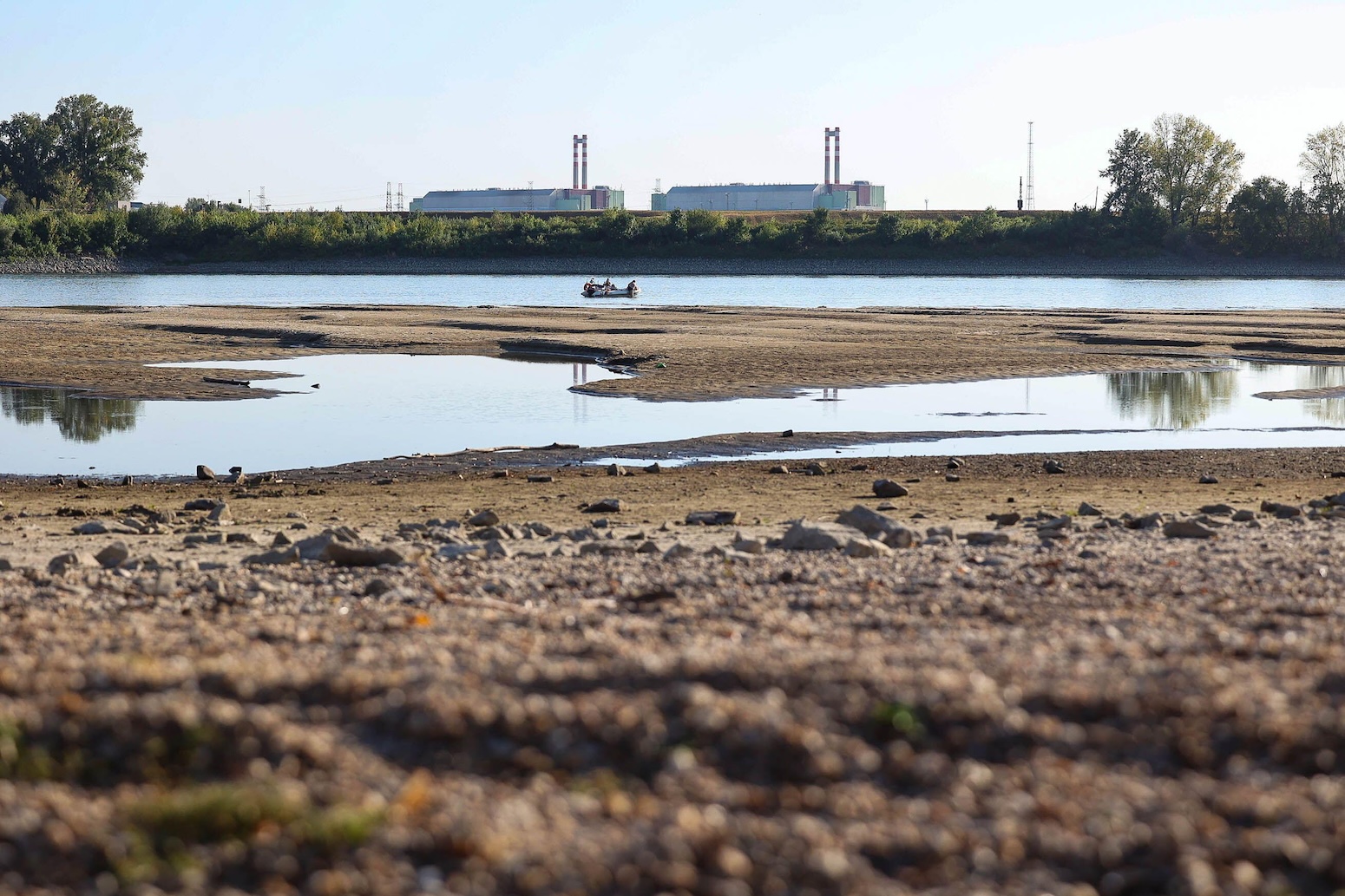
Heatwaves threaten the reliability of power grids across all major energy sources, a reality that intensifies as climate change makes extreme heat events more frequent and severe.
Nuclear plants require enormous volumes of water for cooling. During heatwaves, rivers and lakes warm beyond safe thresholds, forcing operators to reduce output or shut down reactors entirely. France experienced this directly in 2022, when heat-driven low water availability cut nuclear generation by 50 percent in some regions. The U.S. Nuclear Regulatory Commission has documented similar constraints at facilities dependent on freshwater cooling systems.
Gas-fired power plants face dual pressures. Thermal efficiency drops when ambient temperatures rise, meaning plants produce less electricity while consuming the same fuel. Additionally, natural gas pipeline networks contract during heat events as demand surges for air conditioning, creating supply bottlenecks.
Wind generation declines during heatwaves because high-pressure systems that drive extreme heat typically bring calm conditions. Wind farms generate negligible output when wind speeds drop below operational thresholds. Studies show capacity factors can fall 30-40 percent during peak heat events in European and North American regions.
Solar panels appear resilient to heatwaves at first glance. They generate electricity during peak daylight hours when demand peaks. However, photovoltaic efficiency decreases as panel temperatures rise above 25 degrees Celsius. Each degree of additional heat reduces output by 0.4-0.5 percent. A solar array operating at 65 degrees Celsius generates 15-20 percent less power than at optimal temperatures.
The compounding effect proves critical. When heatwaves hit, peak electricity demand climbs while multiple generation sources simultaneously underperform. Germany's 2022 heatwave illustrates this dynamic: nuclear output fell, wind generation dropped, solar efficiency degraded, and demand for cooling power surged