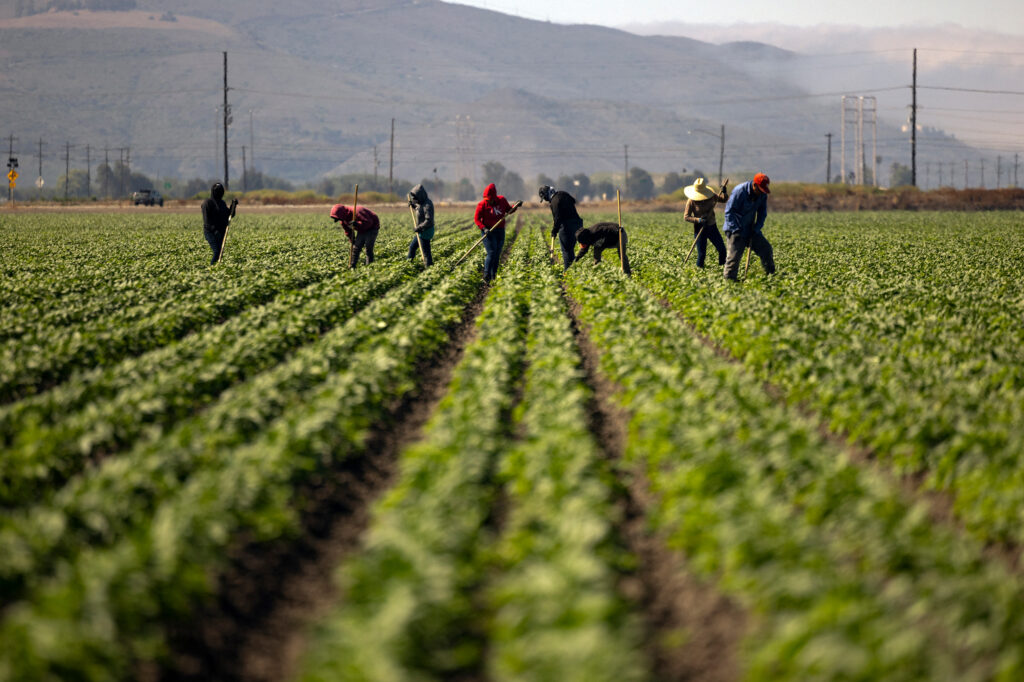
Climate change is intensifying pesticide toxicity for America's 2.4 million farmworkers, according to emerging research cited by Inside Climate News.
Heat physiologically compromises the body's ability to resist pesticide exposure. When farmworkers wear required protective clothing in elevated temperatures, the compounded thermal stress accelerates chemical absorption through the skin and respiratory system. Higher ambient temperatures also increase pesticide evaporation rates, raising airborne chemical concentrations in work zones.
The interaction operates through established toxicological mechanisms. Heat dilates blood vessels and increases metabolic rates, enhancing the body's uptake of toxic compounds. Protective equipment, while essential for limiting direct contact, traps body heat and restricts evaporative cooling, creating a paradox where safety equipment itself becomes a heat stress vector.
Farmworkers already face disproportionate pesticide exposure. They apply chemicals directly to crops, re-enter treated fields during harvest cycles, and often lack access to adequate hydration and shade during shifts. Rural agricultural regions frequently lack robust occupational health monitoring. The Environmental Protection Agency (EPA) establishes pesticide safety thresholds based on standard temperature conditions, not the elevated heat conditions increasingly common across agricultural zones.
Climate projections show U.S. agricultural regions will experience more frequent heat waves and sustained higher temperatures through the growing season. The Southwest and Southeast, regions with large seasonal farmworker populations, face particularly acute warming scenarios.
Occupational health researchers emphasize that existing safety protocols require revision. Current EPA pesticide exposure limits do not account for heat-stress amplification effects. Protective standards assume moderate working conditions rather than the thermal extremes now routine in many farming regions.
Farmworker advocacy groups have long documented disproportionate health burdens from pesticide exposure, including elevated rates of neurological disorders, reproductive complications, and acute poisoning incidents. Climate-driven exacerbation of