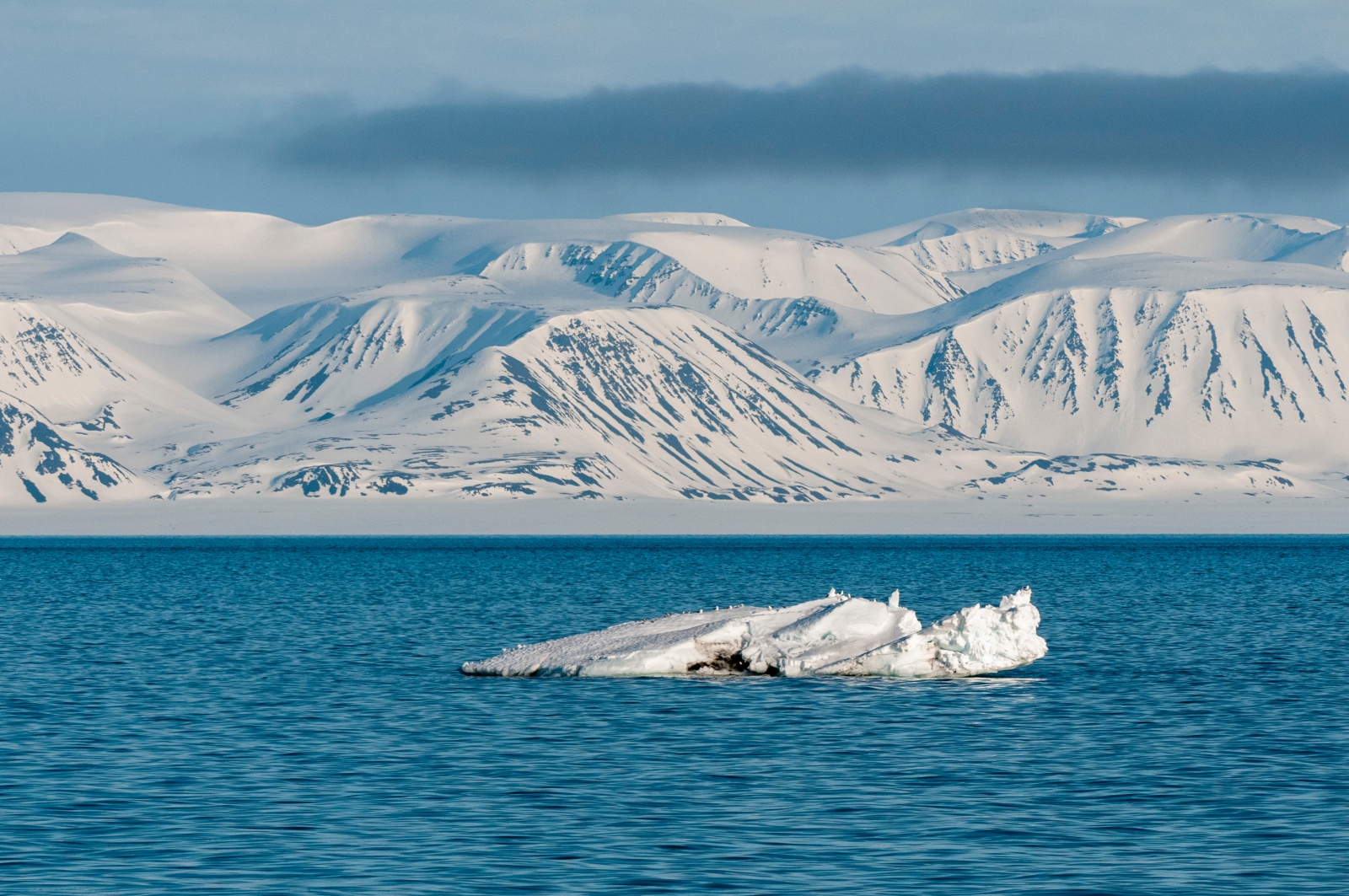
The Trump administration has instructed the National Oceanic and Atmospheric Administration to cease production of the Arctic Report Card, an annual assessment tracking environmental conditions across the Arctic region. NOAA previously released this report each year, compiling data on sea ice extent, ocean temperatures, permafrost thaw, and wildlife population changes across the polar north.
The decision removes a primary mechanism for monitoring Arctic warming, which occurs roughly twice as fast as global average warming. The report served as a baseline for tracking whether mitigation efforts were working and provided policymakers with peer-reviewed data on ecosystem shifts affecting indigenous communities and global climate patterns.
This pullback represents one of multiple actions the administration has taken to reduce federal climate science output. Earlier moves included restricting EPA climate research, reducing funding for renewable energy development, and curtailing climate-related grant programs across agencies.
The Arctic Report Card had documented consistent trends since its launch, including declining summer sea ice coverage and accelerating permafrost degradation in Alaska and northern Russia. These shifts have direct consequences for global weather patterns, sea level rise projections, and Arctic biodiversity.
NOAA staff had managed the report in collaboration with the Arctic Research Commission and international partners. Its discontinuation leaves a data gap for researchers, environmental organizations, and nations tracking Arctic change under international agreements like the Paris Agreement.
The move reflects a broader administration approach to reduce federal climate science visibility rather than conduct new research contradicting the earlier findings. Multiple federal agencies have received similar directives to halt climate reporting and research initiatives.
Environmental groups have signaled plans to continue independent Arctic monitoring, though with fewer resources than federal agencies command. Universities and nongovernmental organizations will likely attempt to fill the void, but the loss of coordinated federal data collection complicates long-term trend analysis.
The timing aligns with the administration's stated goal to "drill baby drill" in Arctic regions, potentially suggesting the data suppression aims