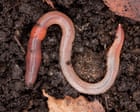
Disgust operates as a learned response that shapes how people perceive nature, particularly invertebrates, according to research highlighted in this Guardian Environment piece. The author, conducting outreach work in Hyde Park to increase public appreciation for bugs, discovered stark differences in how people react to insects based on cultural conditioning rather than biological necessity.
The article explores the psychology behind rejection of certain organisms. Children absorb disgust responses from parents and peers, meaning aversion to insects or other animals stems from social transmission rather than instinct. This learned disgust has environmental consequences. When populations develop negative associations with invertebrates, public support for their conservation weakens, threatening species that provide essential ecosystem services like pollination and decomposition.
The piece argues that since disgust can be culturally transmitted, it can also be deliberately unlearned. Environmental educators and conservationists have begun using this insight to reframe human relationships with nature. Rather than fighting innate revulsion, campaigns acknowledge disgust as a social construct that shifts across cultures and generations. Some societies view insects as food or medicine without the visceral rejection common in Western contexts.
The author's campaign work demonstrated that direct exposure combined with education can shift attitudes. Brief interactions with informed guides helped tourists recognize invertebrates as complex organisms worthy of attention rather than pests to avoid. This mirrors broader conservation psychology research showing that personal connection reduces disgust responses more effectively than fear-based messaging.
Understanding disgust as malleable carries implications beyond invertebrates. The article links this framework to how societies process queerness and difference more broadly. If disgust responses to unfamiliar bodies or behaviors operate through similar learned mechanisms, deliberate cultural work can challenge prejudice at a psychological level. Environmental education thus intersects with social justice by identifying and questioning the sources of our rejections.
The research suggests that transforming human attitudes toward nature requires addressing emotional responses, not just distributing information. When disgust loses its grip,