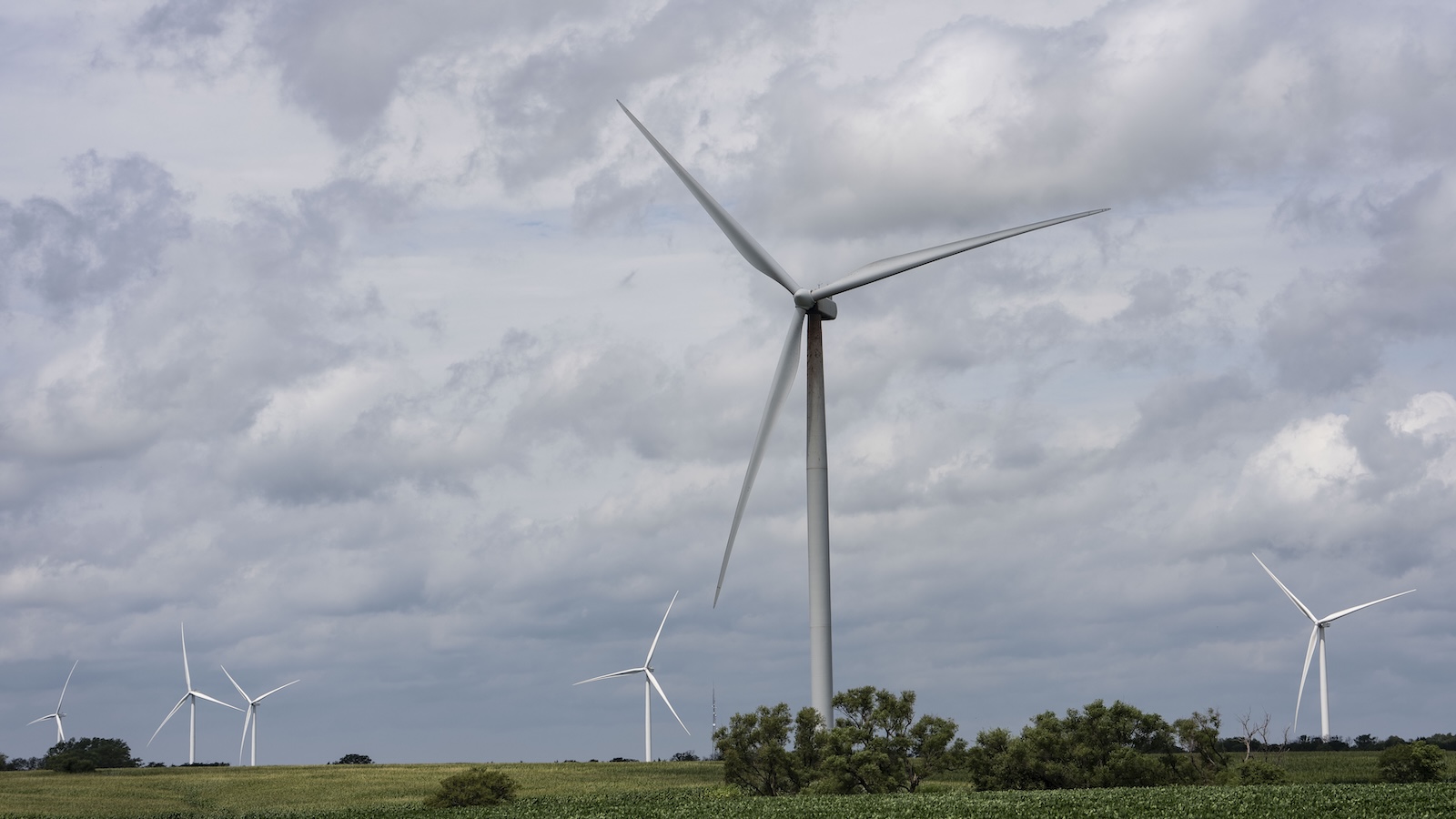
Nebraska's renewable energy boom concentrates tax revenue in a handful of counties while most of the state struggles to benefit from the wind and solar expansion.
Data reveals that 88 percent of taxes generated from wind and solar projects flow to just 10 counties. This disparity reflects the geographic clustering of renewable installations across the state, leaving 83 counties with minimal revenue from the clean energy transition.
Counties hosting large wind farms and solar installations gain substantial property tax income. These funds support local schools, roads, emergency services, and other infrastructure. Communities in western Nebraska, particularly those with prime wind resources, have captured the bulk of these revenues.
Rural counties without significant renewable projects face a different reality. They miss out on tax revenue that could offset agricultural decline or fund local services. The concentration creates winners and losers within the same state pursuing climate goals.
This pattern raises questions about energy policy equity. As Nebraska accelerates its renewable capacity to meet growing electricity demand and reduce carbon emissions, the economic benefits remain unevenly distributed.
Local officials in underserved areas have flagged the imbalance. Some advocate for revenue-sharing mechanisms or incentives that would distribute renewable energy tax benefits more broadly across the state. Others propose policies that encourage solar and wind development in currently underutilized regions.
The challenge reflects a broader tension in clean energy deployment. Renewables require specific geographic conditions—wind corridors, solar exposure, grid access—that naturally concentrate projects. Meanwhile, states and counties face pressure to decarbonize electricity systems while ensuring economic development reaches all communities.
Nebraska's experience demonstrates that transitioning to renewable energy involves choices beyond technology. How states structure tax systems, distribute revenue, and site new projects determines whether the clean energy economy lifts all regions or deepens existing rural-urban divides.