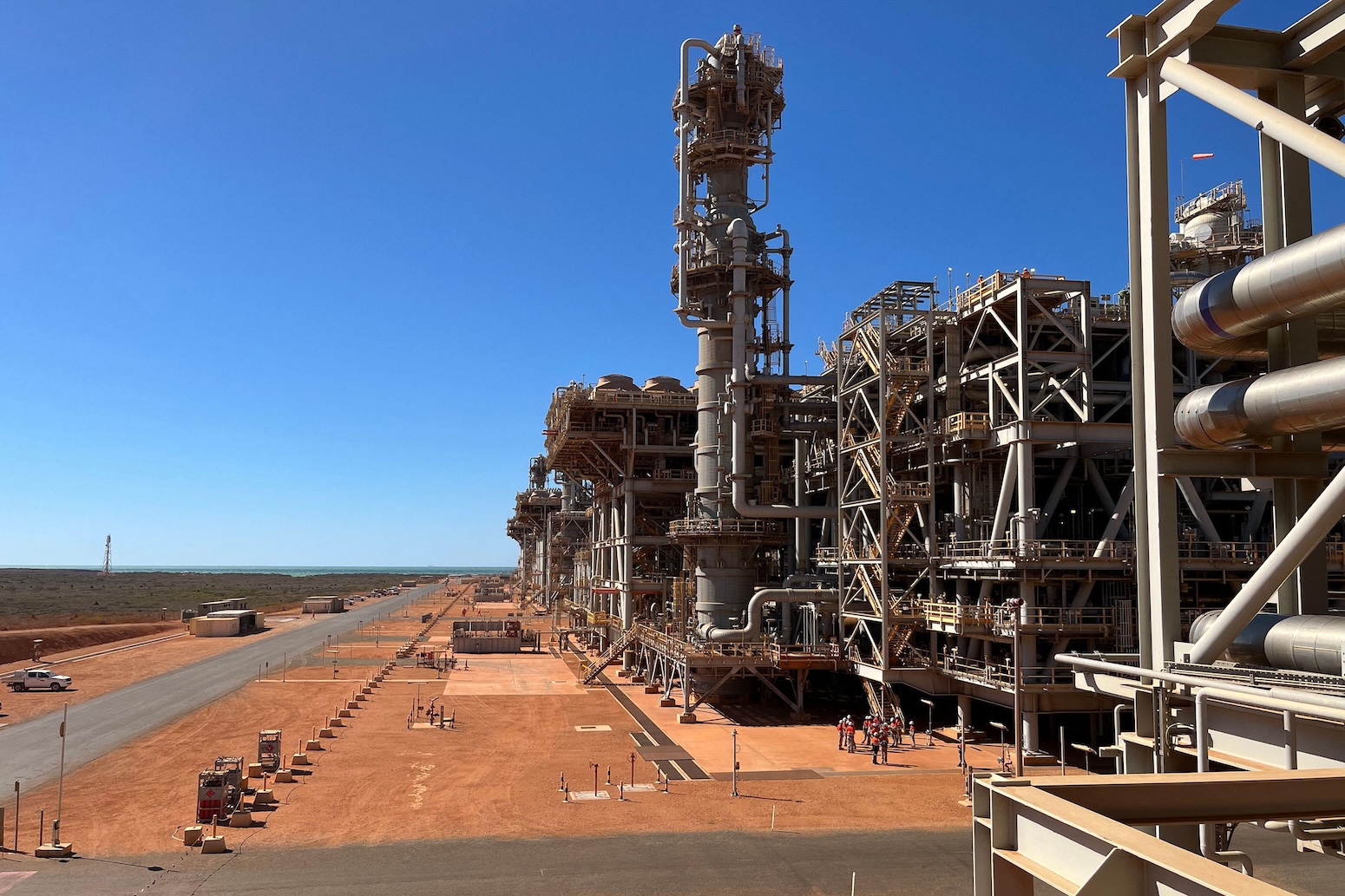
Carbon capture and storage (CCS) technology removes CO2 directly from factory and power plant emissions, then stores it permanently underground. The question of whether the world requires this approach to achieve net-zero emissions divides climate scientists and policymakers.
Proponents argue CCS fills a critical gap. Cement, steel, and chemical production generate emissions difficult to eliminate through electrification alone. These hard-to-abate sectors account for roughly 30 percent of industrial CO2 output. The International Energy Agency's net-zero pathways include significant CCS deployment, with global capture capacity projected to reach 2 gigatons annually by 2050.
Critics highlight persistent barriers. CCS remains expensive, with capture costs ranging from $50 to $200 per ton depending on application and location. Operating plants demonstrate technical feasibility, yet deployment stalls. The global capture rate stands at roughly 40 million tons per year, far below net-zero requirements. Energy penalties also matter. Some CCS systems consume 15 to 25 percent additional power relative to conventional processes.
Climate scientists emphasize CCS's subordinate role. The priority remains aggressive emissions reduction through renewable energy adoption, building efficiency, and industrial transformation. The Intergovernmental Panel on Climate Change warns that relying on CCS to offset continued emissions from fossil fuels delays necessary transitions. Modeling studies show net-zero targets require 90 percent emissions cuts first, with CCS handling residual sources.
Storage capacity presents another constraint. Geological sequestration requires suitable formations. Leakage risks, though small, demand monitoring over decades. Public acceptance varies regionally, with some communities opposing injection sites.
The emerging consensus treats CCS as a complement, not substitute. Hard-to-decarbonize industries need it. Direct air capture, which removes CO2 from ambient air, offers promise for legacy emissions