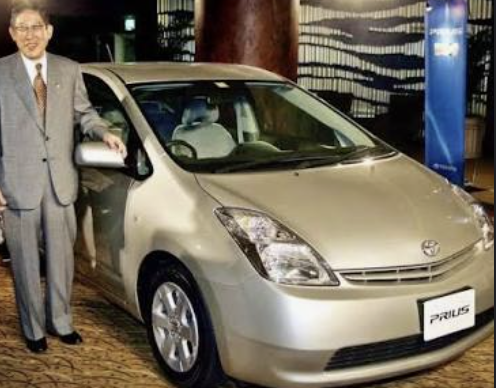
Hiroshi Okuda, who died August 8 at age 93, fundamentally reshaped Toyota Motor Corporation by forcing the automaker to embrace technological innovation when company leadership resisted change. As the first outsider to hold the chairman position, breaking the Toyoda family's generational control, Okuda wielded his influence to steer Toyota toward modernization during a period when the company risked stagnation.
Okuda's tenure marked a watershed moment for the global automotive industry. He recognized that Toyota's traditional manufacturing excellence alone would not sustain competitive advantage in an evolving market. His pragmatic approach overrode internal resistance from executives comfortable with existing practices. This willingness to confront institutional inertia proved decisive for the company's long-term viability and market dominance.
The broader implications extend beyond Toyota's balance sheet. Okuda's leadership model demonstrates how singular executives can catalyze sectoral transformation. His insistence on adaptation rather than complacency influenced Toyota's strategic positioning as global emissions standards tightened and consumer preferences shifted toward fuel efficiency and later electrification.
During his tenure, Toyota expanded research into hybrid technology, a decision that positioned the company as an environmental leader when concerns about automotive emissions intensified. The Prius, launched in 1997 during the period of Okuda's influence, became the flagship vehicle demonstrating that manufacturers could reconcile performance with environmental responsibility.
Okuda's legacy underscores a critical tension within large corporations. Entrenched leadership often defaults to incremental improvements rather than systemic change. Outsiders bringing fresh perspective can destabilize comfortable hierarchies but often unlock dormant potential. In automotive contexts, where emissions trajectories and electrification timelines now dominate strategic planning, Okuda's insistence that change was not optional remains instructive.
The automotive sector continues grappling with the transition