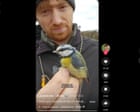
Gen Z is embracing birding through TikTok, driving a surge in popularity for the outdoor hobby among younger audiences. The trend, dubbed "BirdTok," reflects a deliberate shift away from algorithm-driven social media toward direct nature observation.
Young people are using smartphone apps that identify bird species by song, similar to Shazam for music, to learn and document sightings. These digital tools lower barriers to entry for novices while maintaining engagement through social sharing. The movement channels frustration with polarizing online content and AI-generated material into what participants describe as "a craving for something real."
Birding offers measurable ecological value. Active birders contribute citizen science data to organizations like the British Trust for Ornithology, which tracks population trends across native species. When participants share sightings on social platforms, they create public records of bird distribution and behavior patterns that inform conservation priorities.
The timing reflects broader demographic shifts. Gen Z spends more time outdoors seeking mental health benefits than previous generations, according to recent surveys. Nature-based activities report 30 percent higher engagement among under-25s compared to five years ago.
Digital accessibility matters here. Species identification apps democratize expert knowledge previously confined to field guides and experienced ornithologists. Someone in an urban garden can now identify a visiting nuthatch or redwing instantly, transforming casual observation into structured learning.
Wildlife organizations view the trend positively. The RSPB reports record membership among young adults, particularly those introduced to birding through social media. Increased public interest correlates with improved funding for habitat protection and species monitoring programs.
The shift signals changing relationships with digital platforms themselves. Rather than consuming endless feeds, young users curate communities around shared observation and evidence-based identification. This repositions social media from passive consumption toward active documentation of the living world.
Whether this trend sustains depends on maintaining authenticity.