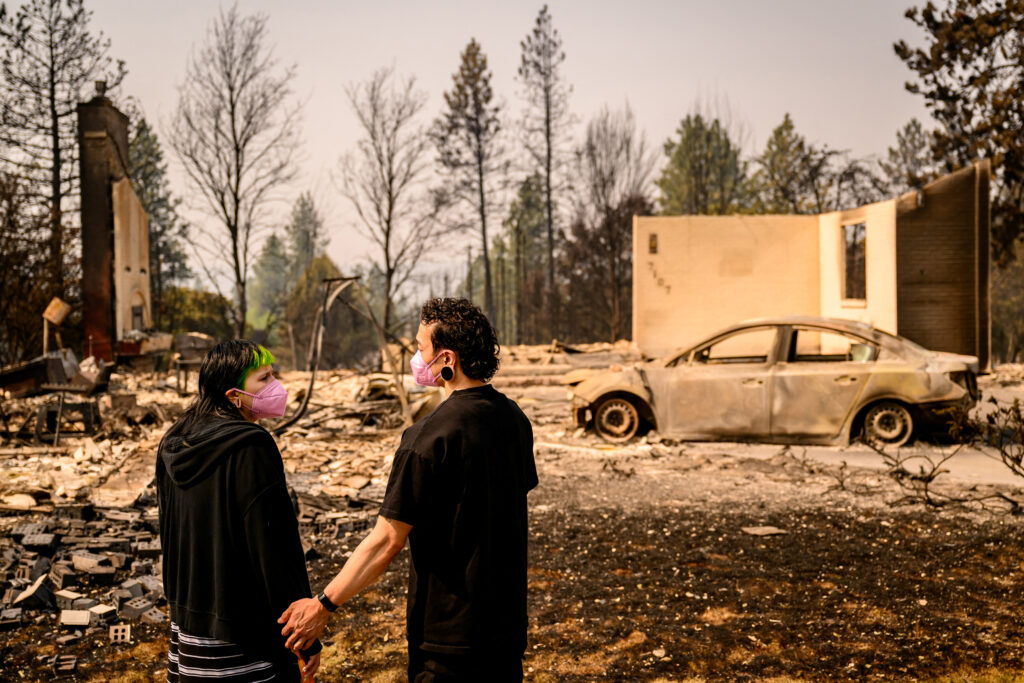
The Pacific Northwest is experiencing an unprecedented fire season as the Old Trails Fire near Spokane, Washington consumed hundreds of acres and forced evacuations within miles of residential areas. The fire's rapid spread across the Spokane River demonstrates how quickly wildfires can threaten populated regions in the region.
This season marks a departure from historical patterns. The 2024 fire season has already set records for the Pacific Northwest, with multiple large fires burning simultaneously across Washington, Oregon, and Idaho. Scientists attribute the accelerating fire activity to warming temperatures and prolonged drought conditions linked to climate change.
The National Interagency Fire Center reports that Western fire seasons have grown measurably longer over the past two decades. Average burn dates now begin weeks earlier than in the 1980s and 1990s. The Old Trails Fire exemplifies this trend. Fires that would have been considered anomalies a generation ago now occur with regularity.
Higher temperatures reduce soil moisture and lower fuel moisture content, creating conditions where vegetation ignites more readily and spreads faster. The Spokane area specifically has experienced above-average temperatures and below-average precipitation throughout the year. These conditions compound each other, shortening the window firefighters have to contain blazes before they expand beyond control.
Regional fire agencies have deployed extensive resources to combat the growing threat. However, suppression costs continue climbing as fire seasons intensify. The U.S. Forest Service and state agencies are stretching budgets across more fires burning for longer periods.
Residents like Kincanon now face a changing reality. The comfortable certainty of fire season arriving in mid-summer has evaporated. Planning outdoor activities requires monitoring fire conditions that shift hourly. Smoke from distant fires blankets the region on increasingly frequent occasions, affecting air quality hundreds of miles away from active fires.
Climate researchers warn that without emissions reductions, the Pacific Northwest will see fire seasons