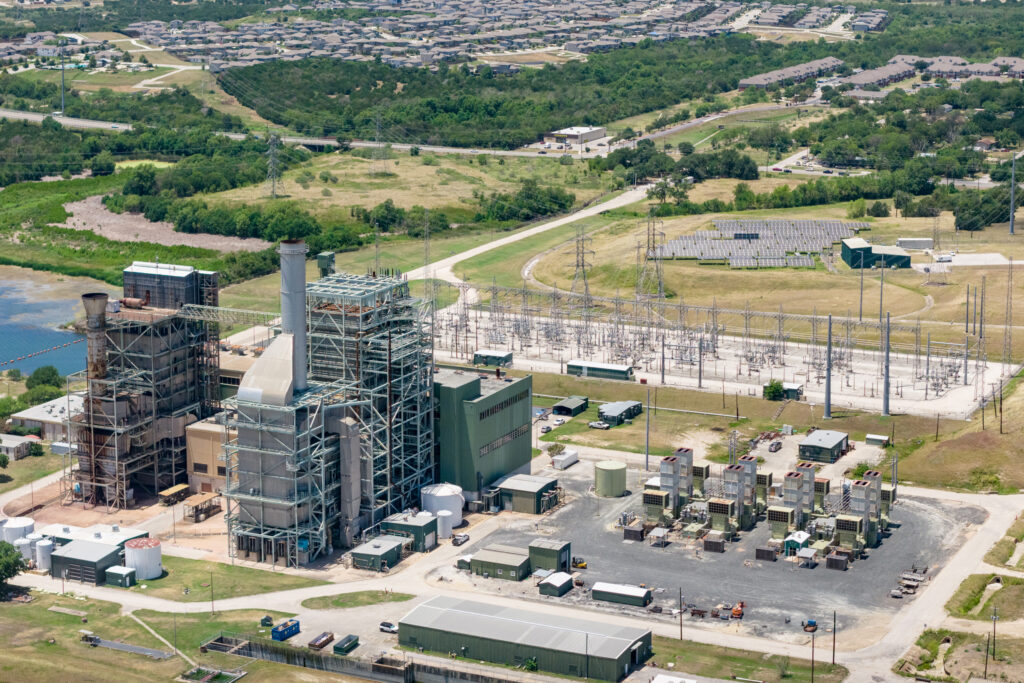
Texas Republican lawmakers are moving toward state-mandated minimums for natural gas power plant construction as solar and battery installations dominate new electricity generation in the state. The Electric Reliability Council of Texas (ERCOT) reported that renewable sources, led by solar, now account for 70 percent of all new generating capacity on the grid.
Facing this shift, GOP state senators are questioning the free-market principles that have governed Texas electricity for decades. They argue that minimum standards for gas infrastructure are necessary for grid reliability and energy security. The proposals would represent a departure from deregulation policies that have shaped Texas's competitive wholesale electricity market since the 1990s.
Texas currently leads the nation in both wind and solar capacity. Recent years have seen explosive growth in battery storage projects alongside massive solar expansion. ERCOT has documented this trend in its latest analysis, showing renewables claiming the bulk of new generation investment across the state.
Republicans proposing gas minimums cite grid stability concerns, particularly during periods of low solar output or extreme weather. They contend that retiring aging gas plants without replacement capacity creates risk. The argument hinges on the unpredictability of renewable generation relative to dispatchable natural gas units that can operate on demand.
Energy analysts and grid operators have countered that battery storage technology is advancing rapidly and can provide the flexibility previously supplied only by natural gas. ERCOT's own studies indicate that Texas can maintain reliability with higher renewable penetration rates if paired with adequate energy storage.
The proposals face opposition from renewable energy developers and competitive market advocates who argue that mandating gas capacity amounts to an artificial subsidy that distorts price signals and increases costs for consumers. They note that market forces have already driven investment toward solar and batteries because they offer lower operating costs.
This clash reflects a broader tension across conservative states between free-market ideology and grid reliability concerns. Texas lawmakers must decide whether maintaining reserve gas capacity justifies interv