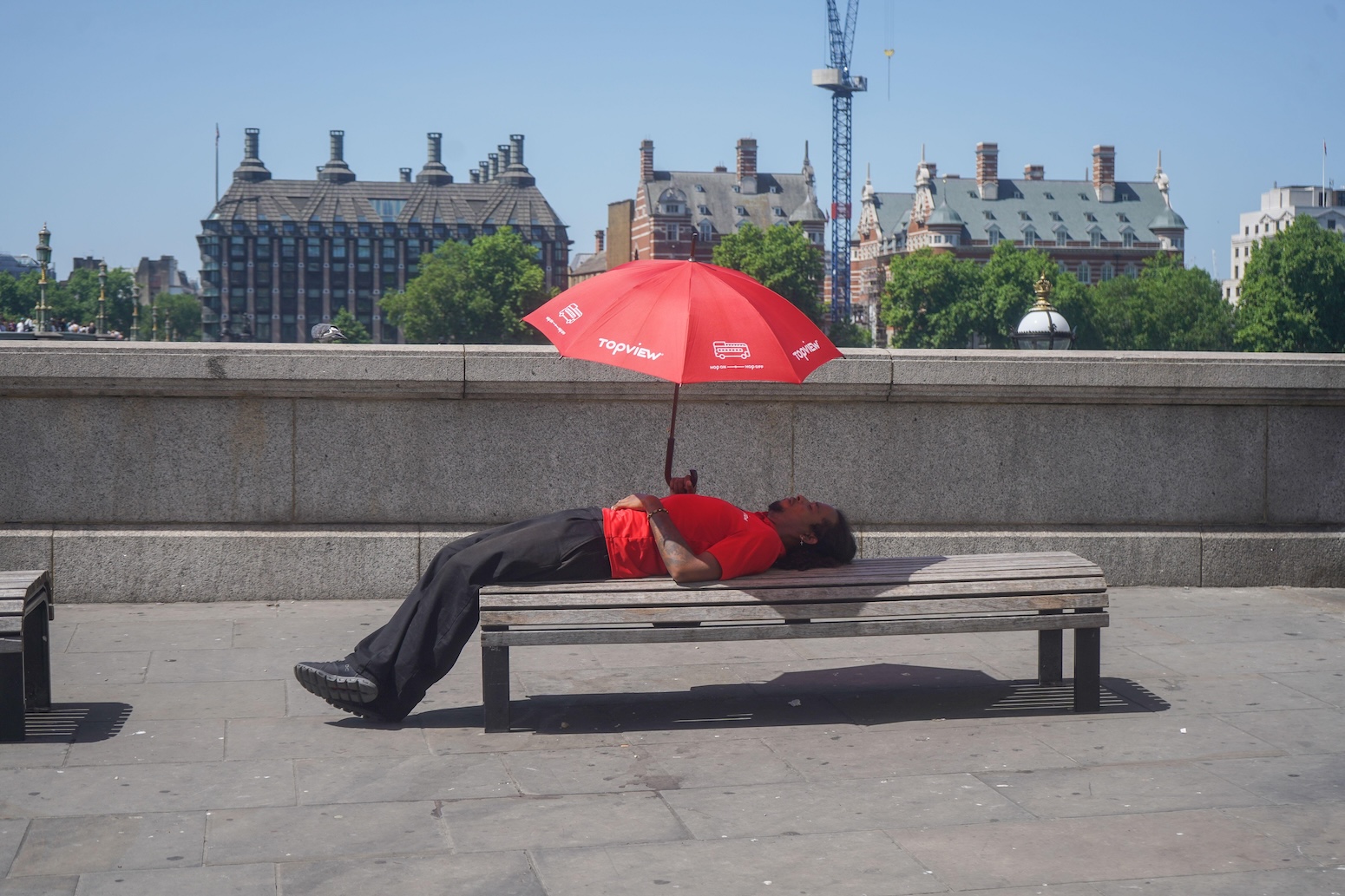
Europe's May and June heatwaves killed thousands, but counting those deaths remains contentious among public health authorities and climate scientists. Different methodologies produce vastly different estimates of heat-related mortality.
The challenge stems from how deaths get attributed. Most European countries do not list "heat" as a cause of death on death certificates. Instead, people die from heart attacks, strokes, and respiratory failures that the extreme temperatures accelerate or trigger. This makes heat mortality invisible in standard mortality databases.
Scientists use statistical models to estimate excess deaths. They compare observed mortality during hot periods against baseline rates for the same time and location. The World Health Organization and various national health agencies deployed this approach during May and June 2024, when temperatures across Europe soared 5 to 10 degrees Celsius above seasonal normals.
Spain reported 2,200 heat-related deaths for those two months alone. Other nations produced lower figures using different calculation windows or thresholds. Greece, France, and Portugal all released estimates that varied significantly based on their methodological choices.
The core problem: there is no standardized European protocol for attributing deaths to heat. Some agencies count only deaths where heat was the direct cause. Others use broader definitions that include deaths where extreme temperatures were a contributing factor. Baseline temperature thresholds also differ. A day considered dangerously hot in Scandinavia registers as normal in southern Europe.
This accounting gap matters for climate policy. If heat deaths remain uncounted in official statistics, governments underestimate the health costs of warming and may deprioritize heat-mitigation investments. The European Commission has recognized this problem and funded research into harmonized methods for estimating heat mortality across member states.
Recent heatwaves demonstrate the stakes. Excess mortality during extreme heat events affects vulnerable populations disproportionately. Elderly people, those with pre-existing conditions, and those without air conditioning