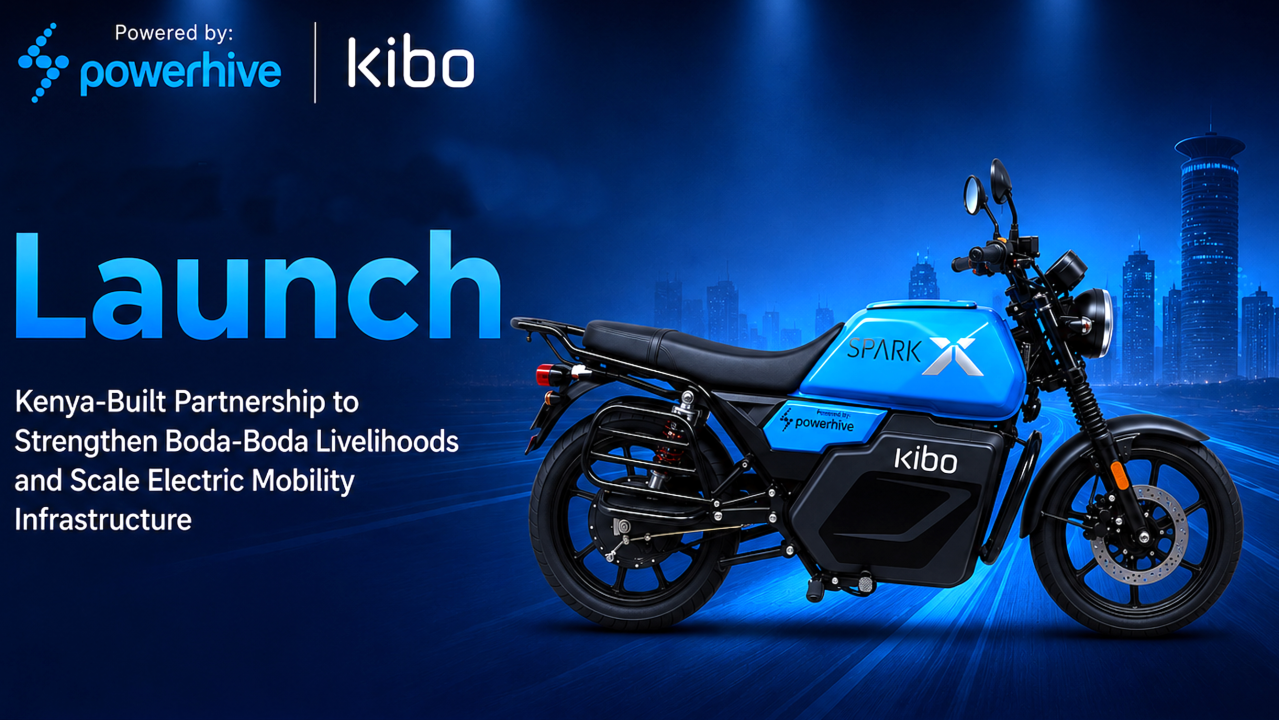
Kenya's electric motorcycle market is transitioning from prototype testing to commercial operation as local manufacturers scale production and form strategic partnerships with international companies. Early-stage startups validated their business models using assembled components from off-the-shelf battery cells, controllers, and motors. Now firms are moving toward specialized production and collaborations with established global manufacturers.
This shift reflects maturation in East Africa's transport electrification efforts. Kenya's two-wheeler market represents a critical segment for emissions reduction, particularly in urban logistics and last-mile delivery. Electric motorcycles displace petrol-powered bikes that currently dominate the informal transport sector, where fuel costs consume significant portions of operator income.
The partnerships between Kenyan startups and international firms signal confidence in the region's manufacturing capabilities and market potential. Local companies bring supply chain advantages and understanding of Kenyan road conditions and consumer preferences. Global partners contribute technical expertise, quality standards, and access to battery supply chains. This collaboration model follows patterns seen in other emerging electric vehicle markets, where local assembly and adaptation prove essential for affordability and reliability.
Specialization among Kenyan firms points to emerging competitive advantages. Some companies focus on battery technology and management systems, while others concentrate on chassis design or fleet management software. This division of labor mirrors mature automotive ecosystems and suggests the sector is developing depth beyond simple assembly operations.
The regulatory environment remains a determining factor. Kenya's government has prioritized electric vehicle adoption through import duty exemptions on EV components and batteries. However, licensing standards for electric two-wheelers and charging infrastructure development still require clarification. Without consistent regulations, scaling remains constrained.
Transport accounts for roughly 40 percent of Kenya's energy-related emissions. Electric motorcycles specifically address the lowest-cost vehicle segment, where cost-per-kilometer matters most to operators. If this ecosystem continues developing through 2027, meaningful emissions reductions in urban transport become achievable alongside job creation in