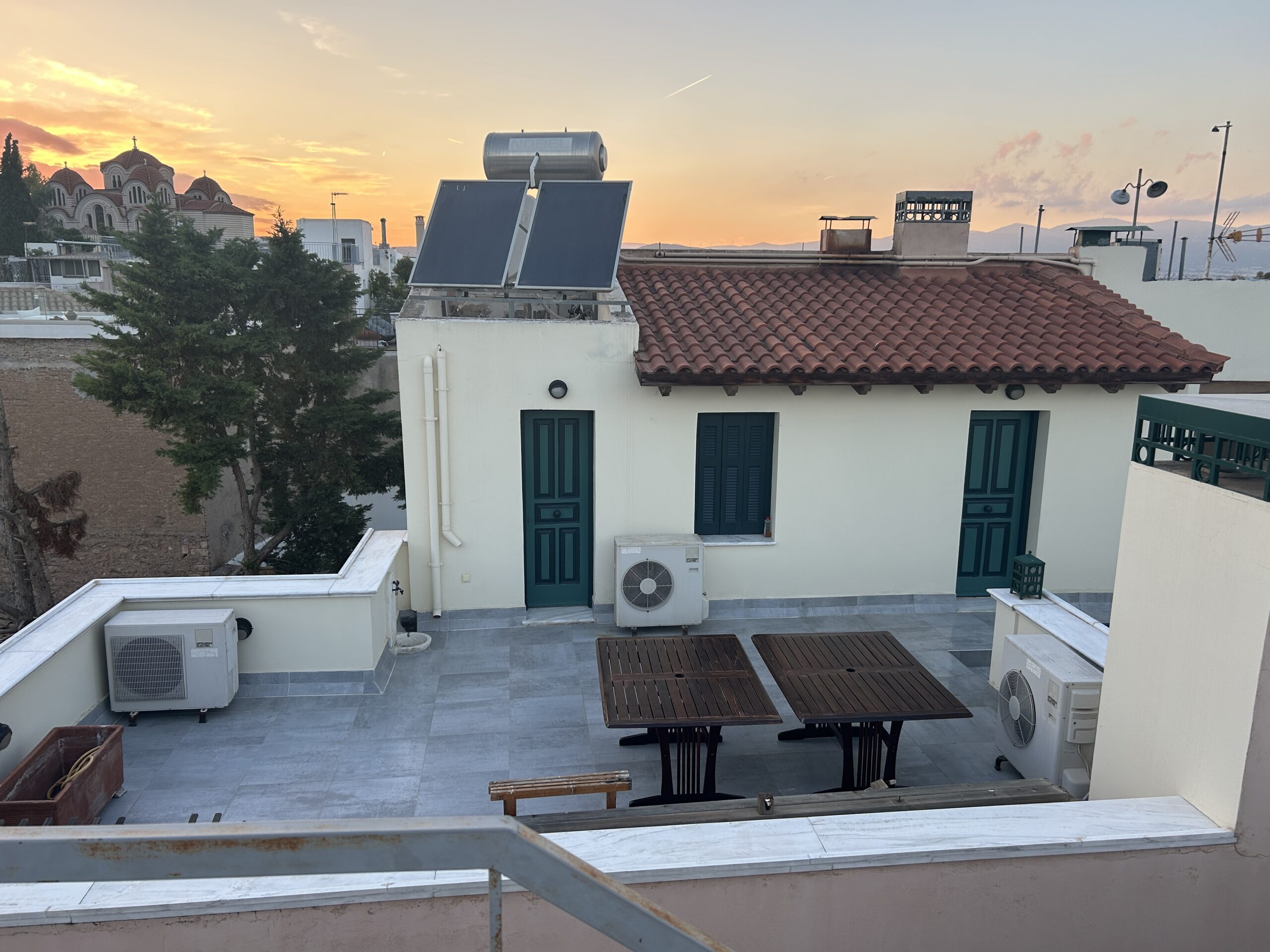
Greece is deploying solar photovoltaic systems and heat pump technology as core strategies to reach net-zero emissions, mirroring the clean energy transition underway in the United States. The nation leverages abundant Mediterranean sunshine to power residential and commercial solar installations while integrating heat pumps for efficient heating and cooling across buildings.
Solar photovoltaics remain Greece's primary renewable energy tool, capitalizing on the country's 300-plus days of annual sunshine. Residential rooftop installations have expanded significantly as costs declined and government incentives matured. The technology reduces reliance on imported fossil fuels, a critical advantage for Greece's energy independence and balance of payments.
Heat pump deployment addresses building sector emissions, which account for roughly 30 percent of Greece's total greenhouse gas output. These systems transfer heat from air or ground sources rather than generating it through combustion, cutting electricity demand and carbon footprints. Residential retrofit programs and new construction standards increasingly mandate heat pump adoption.
Greece's net-zero strategy reflects broader European Union climate targets. The bloc committed to net-zero emissions by 2050 under the European Green Deal, with interim 2030 targets requiring 55 percent emissions reductions from 1990 levels. Member states face pressure to decarbonize electricity grids, transportation, and buildings simultaneously.
The convergence between Greek and American approaches, both centered on distributed solar and electrified heating, reflects technological maturity across regions. However, Greece operates within EU frameworks including emissions trading systems and renewable energy directives that shape investment and deployment timelines. The United States lacks equivalent federal mandates, leaving state-level policies to drive solar and heat pump adoption.
Challenges persist in both contexts. Grid integration of variable renewable generation requires storage and demand management. Labor shortages in heat pump installation and maintenance slow deployment. Upfront costs remain barriers for lower-income households despite declining expenses.