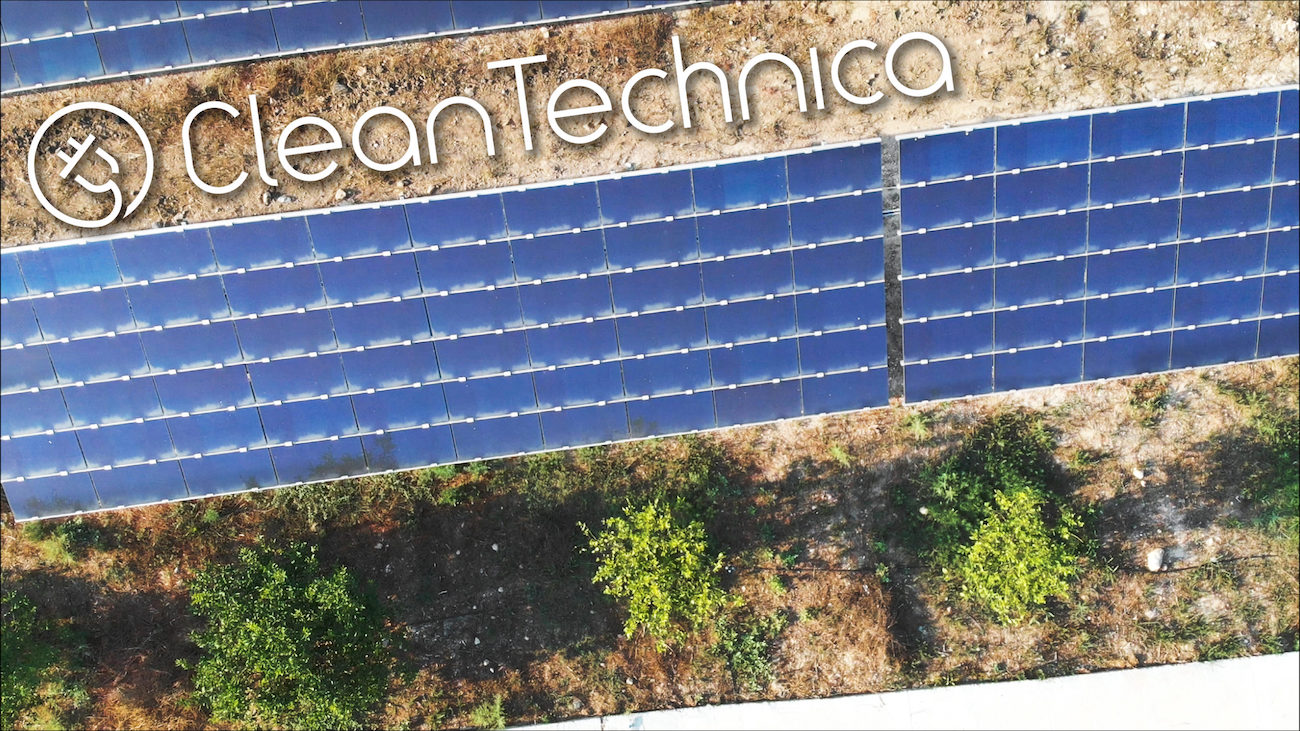
A partnership between Sugar Hollow Solar, PODER Emma, and Footprint Project is expanding solar energy access to the Emma community outside Asheville, North Carolina, targeting rural households that historically lack reliable electricity infrastructure.
The initiative addresses a persistent gap in rural energy access. While renewable energy expansion often concentrates in urban markets and wealthy areas, this project delivers clean power to underserved communities where grid connection remains expensive or unreliable. Sugar Hollow Solar handles system installation and maintenance. PODER Emma, a community organization, manages local coordination. Footprint Project provides financing and technical support to make solar adoption affordable for residents with limited capital.
Rural electrification through distributed solar installations offers direct benefits beyond environmental gains. Households gain energy independence from volatile utility rates. Businesses in the community gain reliable power for operation. Local employment emerges through installation and maintenance work.
North Carolina ranks among the nation's top states for solar capacity, but deployment has concentrated in commercial and utility-scale projects. Residential and community solar installations lag in rural regions, where dispersed populations create higher per-unit installation costs and limited economies of scale.
The Emma project demonstrates a replicable model for other Appalachian communities facing similar barriers. By combining nonprofit coordination with commercial solar developers and targeted financing, the partnership reduces individual household costs while building local capacity for system operation.
Community-based solar addresses energy equity directly. Rural households frequently spend disproportionate shares of income on electricity. Solar systems with manageable financing lower monthly energy bills and provide price stability over decades. The model also builds community ownership rather than extractive energy relationships.
Documentation of the Emma project's outcomes, including cost per kilowatt installed, household savings, and employment created, will inform policy discussions around rural renewable energy investment. State and federal incentives supporting community solar in underserved areas remain limited relative to demand.
The transition to clean energy succeeds only when access reaches all