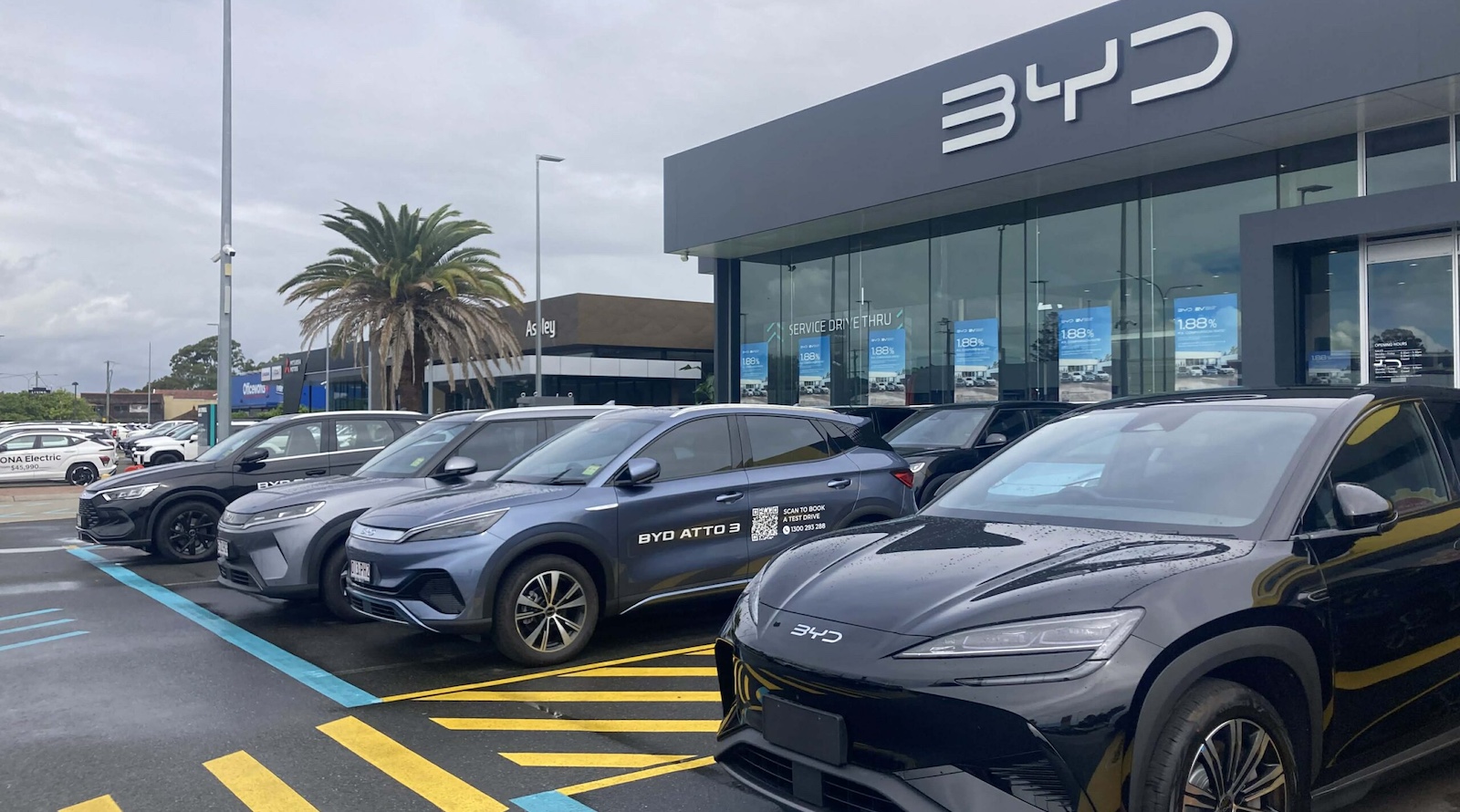
BYD has surpassed Tesla in electric vehicle production, and the American automaker has adopted strategies the Chinese manufacturer pioneered years earlier. BYD now produces substantially more vehicles annually than Tesla and maintains an R&D workforce comparable to Tesla's total employee count. This reversal reflects BYD's sustained investment in battery technology and manufacturing scale.
The shift reveals a broader competitive reality in the EV market. Tesla's early dominance in battery electric vehicles came partly from first-mover advantage and brand positioning. BYD, meanwhile, built vertical integration across battery production, vehicle manufacturing, and supply chain management. This approach enabled the company to control costs while expanding production capacity at rates Tesla struggled to match.
Tesla's recent moves echo BYD's established playbook. The company has increased focus on affordable vehicle models, expanded battery manufacturing partnerships, and invested in manufacturing efficiency. These decisions mirror strategies BYD executed consistently over the past decade.
The narrative shift matters for understanding EV market dynamics. Years of criticism from Tesla enthusiasts dismissed BYD vehicles as inferior products. That characterization obscured BYD's methodical approach to scaling production and reducing manufacturing costs. BYD's financial results and market share growth now demonstrate the viability of that strategy.
By 2023, BYD sold more new energy vehicles globally than any other automaker. The company's battery business supplies other manufacturers, creating additional revenue streams Tesla lacks. BYD also maintained profitability at higher production volumes, a metric Tesla struggled with during periods of rapid expansion.
Tesla retains advantages in brand recognition, autonomous driving software development, and charging infrastructure in certain markets. However, the company no longer dictates EV industry strategy. BYD's success forced Tesla to prioritize affordability and manufacturing efficiency over exclusivity and premium positioning.
The EV market now resembles traditional automotive competition more closely. Multiple manufacturers compete on cost,