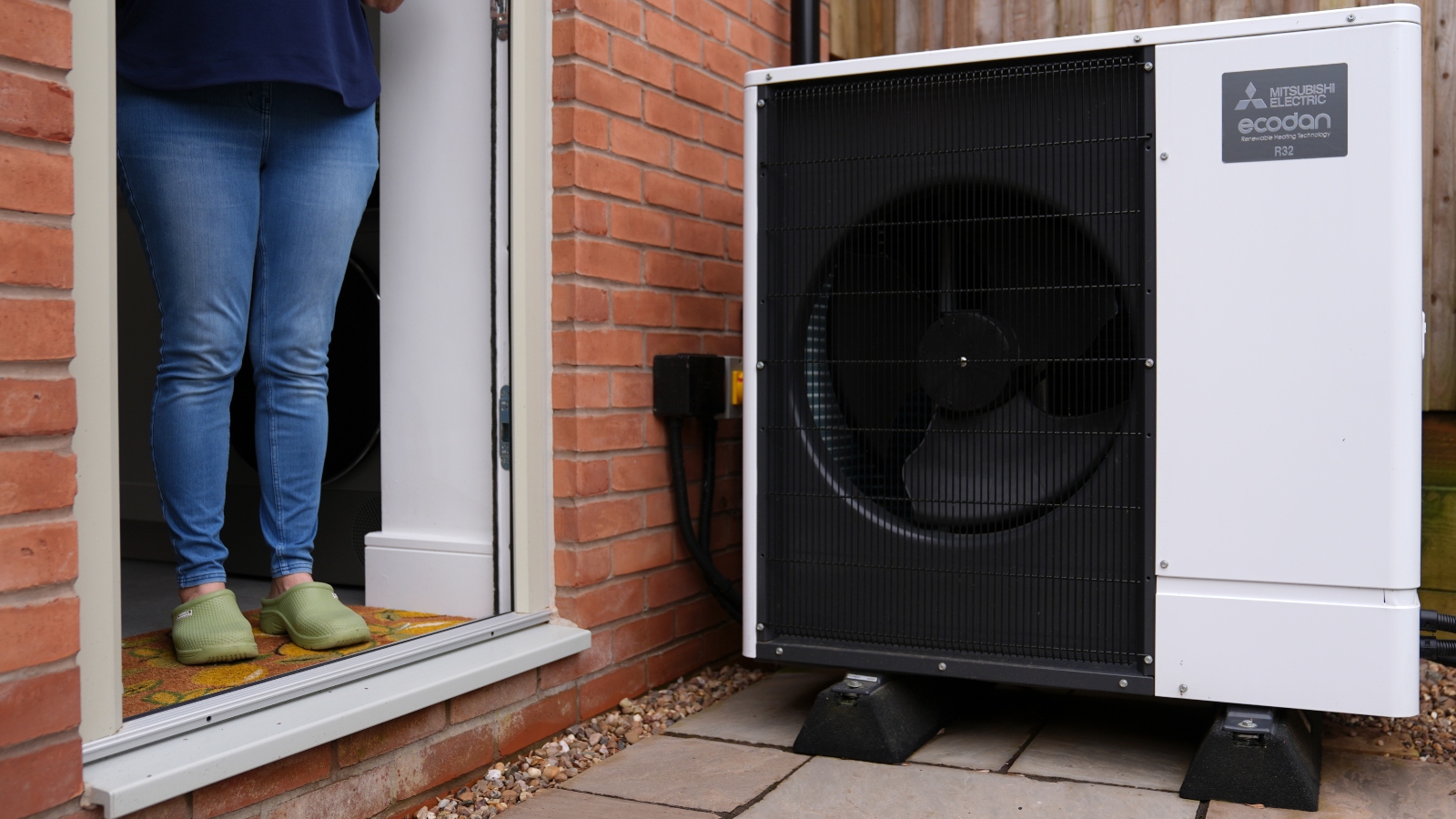
Community bulk-buying programs for heat pumps are expanding across the United States, offering homeowners significant savings on equipment and installation. These initiatives aggregate demand from multiple households in a neighborhood or region, enabling suppliers and installers to offer discounts similar to those available for rooftop solar arrays.
Heat pump adoption remains constrained by upfront costs. A typical residential heat pump system costs $5,000 to $15,000 before incentives, creating a barrier for middle-income households despite long-term energy savings. Bulk purchasing programs reduce this friction by leveraging collective negotiating power.
Programs like those operating in Colorado, Massachusetts, and California coordinate between homeowners and contractors to streamline procurement and installation. By consolidating orders, installers reduce overhead costs and marketing expenses per household. Savings typically range from 10 to 20 percent compared to individual purchases.
The model mirrors successful solar aggregation programs that have driven residential PV adoption. California's "Solarize" programs, which began in 2011, demonstrated that community-based purchasing reduced solar costs by 15 to 30 percent while increasing installation rates in participating areas.
Heat pump bulk-buying programs come as the technology gains policy support. The Inflation Reduction Act provides up to $8,000 in federal tax credits for heat pump installation on existing homes and $10,000 for new construction. These federal incentives, combined with state rebates in leading markets, can cover 30 to 50 percent of system costs. Local bulk programs stack on top, multiplying savings.
Contractors report additional efficiency gains. Coordinating multiple installations in adjacent neighborhoods reduces travel time and logistics costs. Sequential installations allow crews to optimize scheduling and labor allocation.
Participation barriers remain. Program awareness stays low outside early-adopter communities. Households without reliable credit access struggle with financing options. Renters cannot pursue owner-