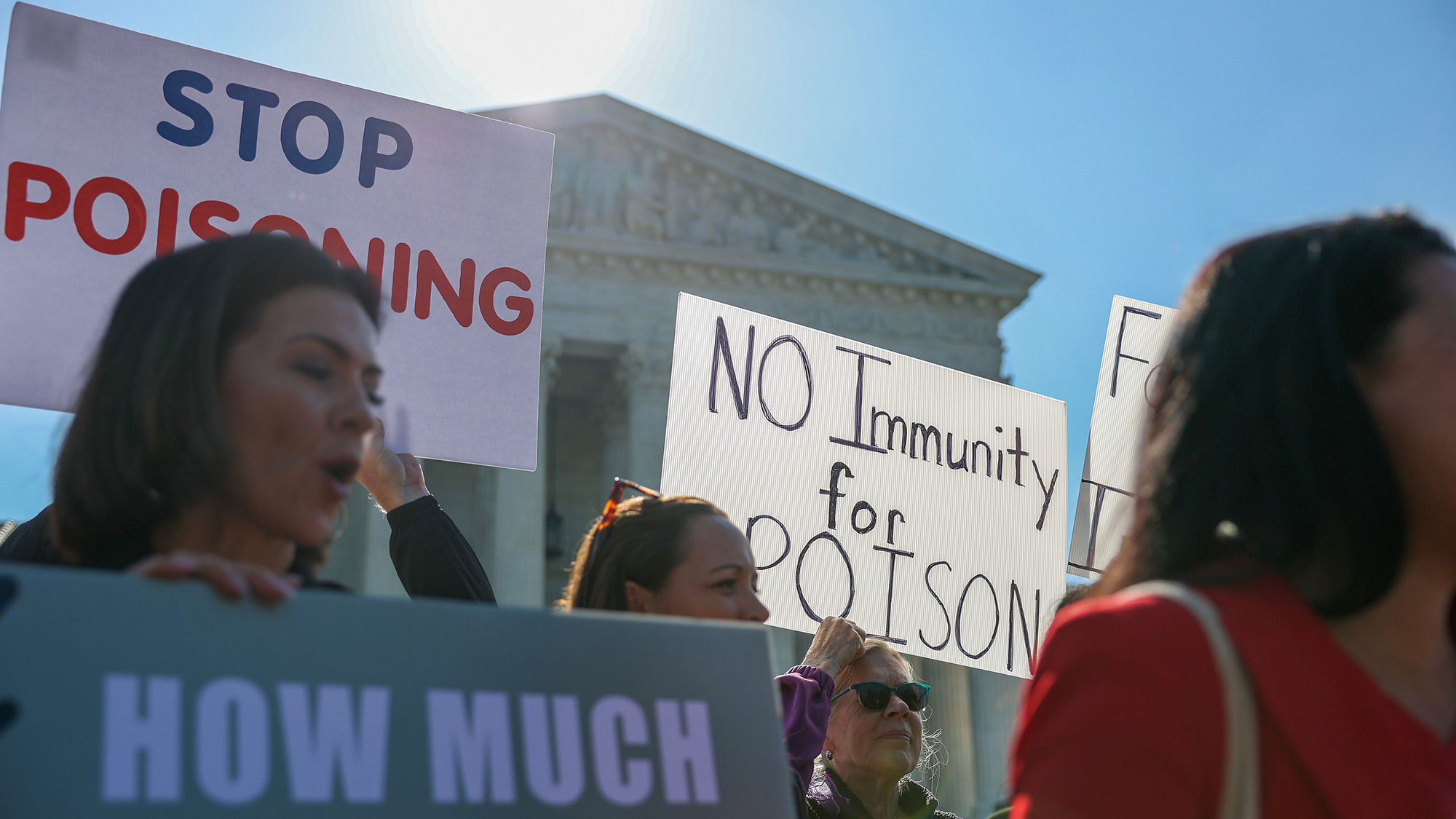
Pesticide manufacturers are advancing immunity legislation across the United States, a strategy that would shield companies from lawsuits filed by farmers and families claiming harm from their products.
Industry groups have drafted model legislation designed to block legal claims against pesticide makers, even when exposure causes documented injury. The push operates quietly through state legislatures, where agricultural lobbies hold significant influence. Several states have already adopted versions of these laws, while others consider similar measures.
The immunity statutes typically work by establishing that if a pesticide received approval from the Environmental Protection Agency or a state regulatory body, manufacturers cannot face civil liability for injuries the product causes. This approach transfers legal responsibility from chemical makers to users and victims, fundamentally altering the balance of accountability in the agricultural sector.
Environmental advocates warn that these laws eliminate incentives for companies to conduct rigorous safety testing or develop safer alternatives. They also silence voices of injured parties who might otherwise expose product dangers through court testimony and evidence discovery.
Grist reported that the pesticide industry frames these laws as necessary protections against frivolous litigation that raises costs for farmers. Industry representatives argue that regulatory approval already ensures product safety. Critics counter that EPA approval reflects the agency's capacity constraints and does not guarantee absolute safety across all exposure scenarios, particularly for vulnerable populations like farmworkers and children in agricultural communities.
The expansion of immunity protections compounds existing gaps in pesticide regulation. The EPA approves roughly 1,000 pesticide active ingredients, many based on safety data decades old. Farmworkers face disproportionate exposure to these chemicals, yet lack comprehensive federal protections. State-level immunity laws eliminate one of the few remaining mechanisms through which injured workers could recover damages and force manufacturers to acknowledge product risks.
Consumer and agricultural worker advocates call for transparency in the legislative process and stronger federal pesticide safety standards before immunity laws spread further. They argue that blocking civil litigation removes a critical check on corporate behavior and leaves