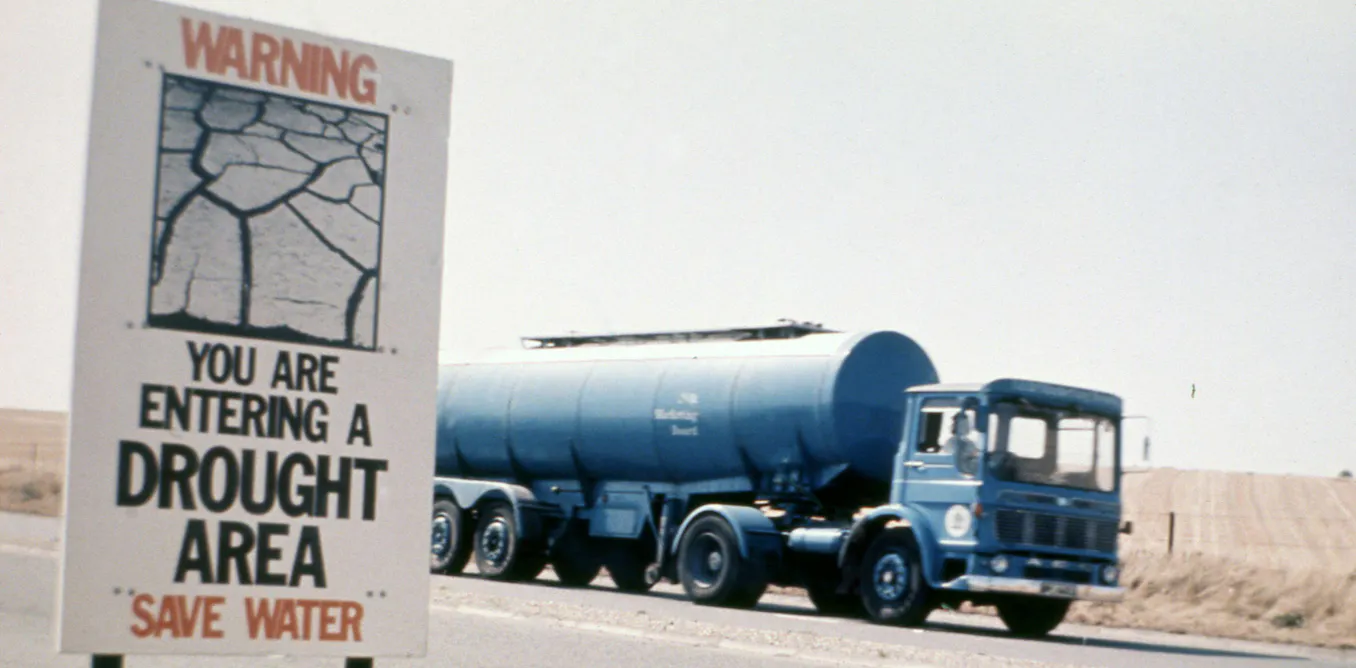
Britain's water infrastructure faces a severe vulnerability half a century after the drought of 1976 devastated the nation. Public confidence in water companies has eroded sharply, creating obstacles for managing the next major drought, experts warn.
The 1976 drought exposed fundamental weaknesses in water supply systems across England and Wales. Rainfall fell to 40 percent below normal levels, forcing authorities to impose hosepipe bans and restrict industrial water use. Some regions relied on emergency water tankers delivered by the military. The crisis prompted infrastructure investments and policy reforms designed to prevent similar crises.
Today, the UK faces comparable risks without commensurate preparations. Climate change models predict more frequent and intense droughts across southern England and the Midlands. The Environment Agency estimates that without intervention, water supply deficits could reach 3.6 billion liters daily by 2050 in the driest scenarios.
Yet public distrust in water companies undermines drought readiness. Recent years brought widespread outrage over leakage rates, with some utilities losing nearly a third of treated water through aging pipes. Sewage discharges into waterways during heavy rain events, combined with executive pay controversies, have damaged institutional credibility. Polling shows only a third of UK adults trust water companies to manage resources responsibly.
This trust deficit matters operationally. Drought management requires public cooperation with water restrictions, investment acceptance, and policy changes. When confidence collapses, compliance falters. Community support for infrastructure projects and conservation measures weakens.
Water companies must invest an estimated 100 billion pounds over the next 25 years to upgrade treatment facilities, repair leakage, and build resilience. Funding mechanisms remain contested. Customers resist bill increases while shareholders seek returns. Without restored public confidence, securing the political will for necessary investments becomes harder.
The contrast with 1976 is stark. Then