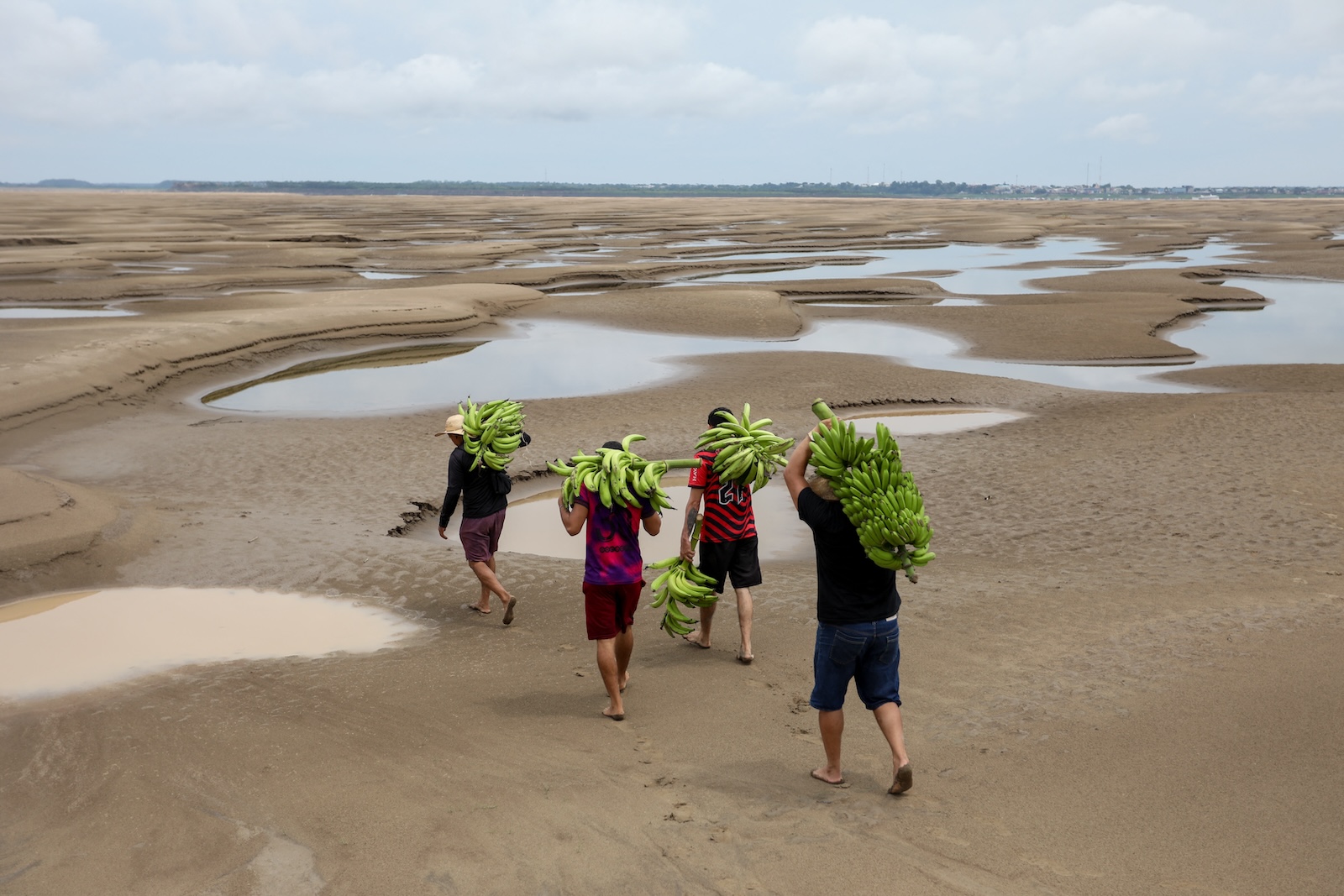
A new United Nations report documents how extreme heat damages every stage of global food production, from crops to livestock to distribution networks. Rising temperatures reduce crop yields, stress animals, degrade soil quality, and disrupt supply chains that feed billions of people.
The report maps these impacts across agriculture, fishing, and food storage systems worldwide. Farmers face hotter growing seasons that cut harvests of staple crops like wheat, rice, and corn. Heat stress kills livestock and reduces their productivity. Processing facilities and transportation routes falter under extreme conditions, preventing food from reaching markets.
Yet the U.N. report largely overlooks the people most vulnerable to these disruptions. Smallholder farmers in developing nations, farmworkers in the Global South, and low-income communities dependent on affordable food face the severest consequences. These populations contribute least to climate change but absorb the largest shocks to their food security.
The findings reveal a cascading crisis. Heat doesn't just affect individual farms. It destabilizes the entire system that keeps 8 billion people fed. Without rapid action to both cut emissions and adapt food systems, hunger will intensify across regions already facing poverty and malnutrition.