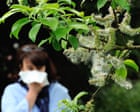
Europe's pollen season now stretches two weeks longer than it did in the 1990s, a direct result of climate change that intensifies suffering for millions with hay fever. Rising temperatures trigger earlier plant flowering and extend the period when pollen fills the air, compounding misery for people trying to enjoy outdoor spaces.
The extended season hits vulnerable populations hardest. Those with allergies spend more weeks managing symptoms, taking medication, and avoiding nature altogether. Children miss outdoor play. Adults cut back on hiking and gardening. The warming climate doesn't just threaten ecosystems. It actively degrades daily life for people already struggling with seasonal allergies.
Scientists confirm the link clearly. Warmer springs arrive earlier each year across Europe, shifting when plants release pollen. The season now begins sooner and ends later. This expansion traps allergy sufferers in longer windows of discomfort, sometimes adding weeks to their annual suffering.
The problem accelerates as global temperatures climb. Regions that traditionally experienced shorter, sharper allergy seasons now endure prolonged exposure. Pollen counts intensify during peak weeks. The compounding effect pushes more people toward antihistamines and indoor isolation during what should be pleasant months.
This represents climate change's underappreciated toll. While scientists debate ice sheets and species extinction, ordinary people lose access to nature's benefits during increasingly long stretches of the year. The warming world doesn't just damage forests and oceans. It damages our ability to experience them.