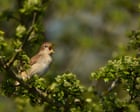
Nightingale populations at RSPB Northward Hill in Kent are increasing, with more birds arriving from West Africa to breed. The songbirds produce their famous complex vocalizations during late April and May as they establish territories and attract mates, their performances ranging from melodic to frantic. This recovery offers a rare bright spot for the species, which has declined sharply across Britain over recent decades.
The resurgence at Northward Hill reflects dedicated conservation efforts at the Kent reserve. However, experts warn that habitat loss remains a serious threat to nightingales. The birds require specific breeding conditions: dense, low vegetation and nearby scrubland for foraging. These habitats are disappearing across Britain as agricultural practices intensify and wetlands are developed.
The nightingale's return to song at Northward Hill signals that protection works when properly implemented. The reserve manages its land specifically to provide the dense undergrowth nightingales need. Yet this success remains fragile and localized. Without broader habitat restoration across southern England, the species will continue struggling despite populations thriving in protected areas. Conservation experts stress that saving nightingales requires action beyond individual reserves, extending protection across the wider countryside where most of Britain's remaining birds must breed and survive.