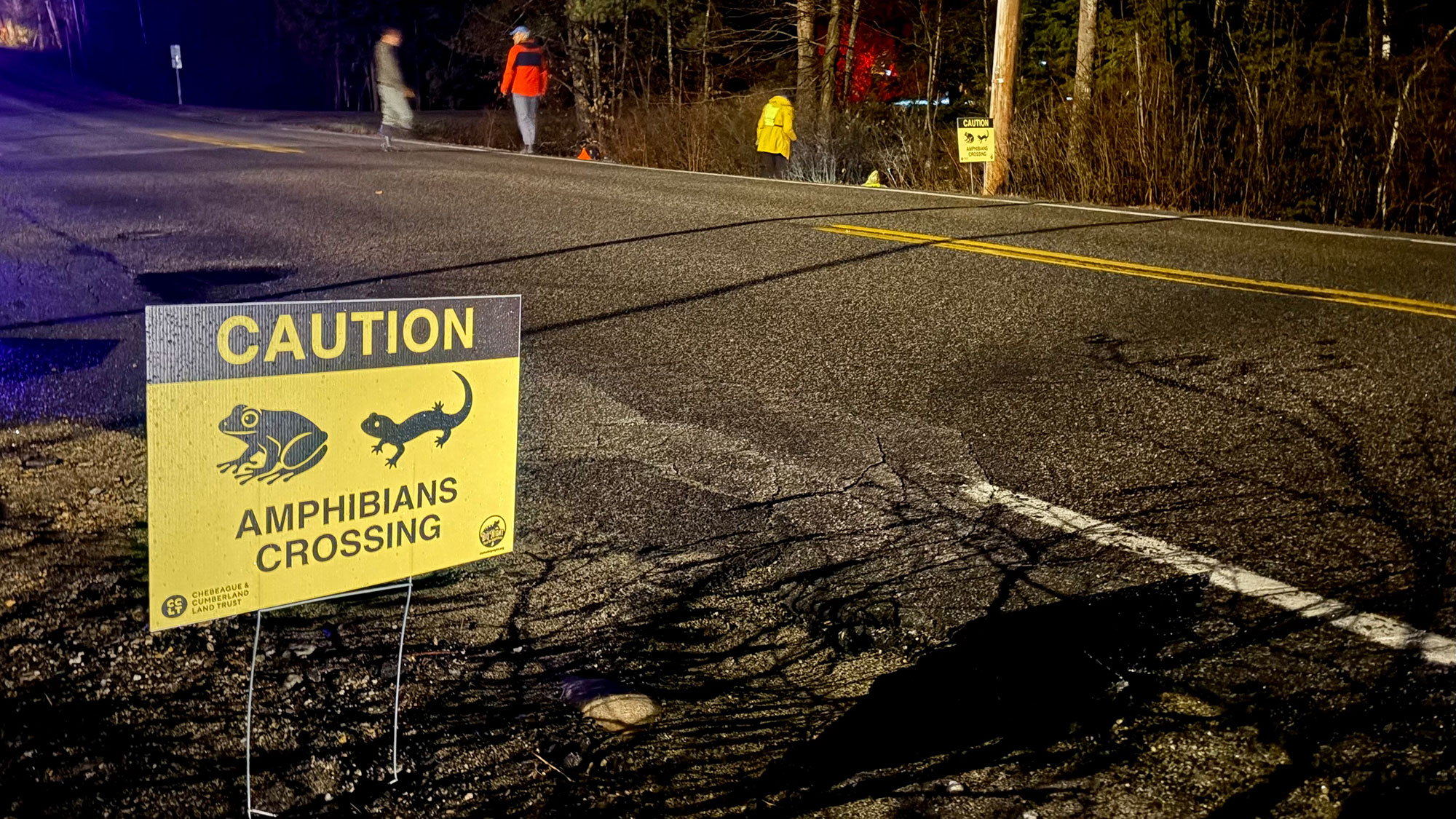
Each spring, volunteers across North America monitor amphibian migration nights. The frogs and salamanders moving from forests to breeding pools carry a troubling message about environmental decline.
Warming winters disrupt breeding cycles. Salamanders and frogs depend on precise temperature and moisture conditions to emerge and migrate. Erratic weather patterns push these critical timing windows out of sync with the insects and vegetation these animals need to survive.
Vernal pools, the temporary wetlands where amphibians breed, are disappearing. Drier springs mean shallower pools and earlier evaporation, leaving eggs and tadpoles stranded. Climate change intensifies this problem by shifting rainfall patterns.
Roads remain a deadly barrier. Vehicles kill thousands of migrating amphibians each night. Development fragments habitats, forcing longer journeys across pavement.
Volunteers document these populations during migration nights, collecting data that reveals population trends. Their counts show declines across multiple species in many regions. This work generates the evidence scientists need to understand how quickly amphibian communities are changing.
These creatures serve as environmental indicators. Amphibians absorb water and oxygen through permeable skin, making them sensitive to pollution and climate stress. Their struggles signal broader ecosystem damage that affects other wildlife and eventually humans.