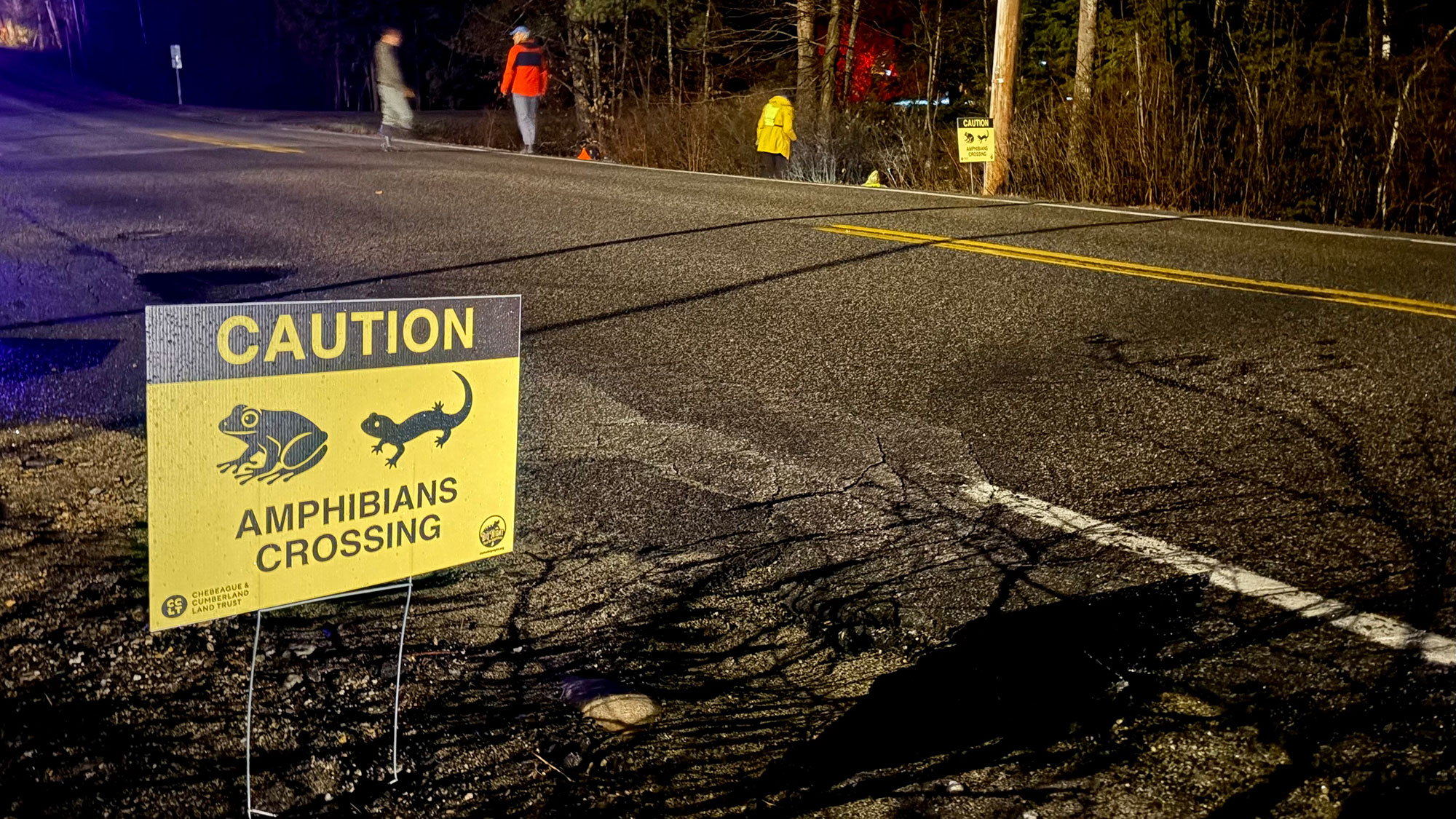
When the first warm, wet spring night arrives, frogs and salamanders leave the forest in mass migrations. Volunteers and citizens stake out roadsides during these events to count amphibians and help them cross safely to breeding grounds.
This annual ritual has become a critical data collection window. The numbers tell a stark story. Warming winters kill amphibians that lack adequate hibernation sites. Breeding pools dry up faster as spring precipitation patterns shift. Vehicle traffic kills thousands during migration nights.
Scientists rely on these citizen counts to track population health. A declining amphibian population signals ecosystem damage that ripples outward. Frogs and salamanders control insect populations and serve as indicators of water and soil quality.
The stakes have risen. Habitat loss, disease, and climate change squeeze amphibian populations from multiple angles. Some species have vanished from regions where they thrived for centuries.
One night each spring, ordinary people become the frontline defense. They document what remains and highlight where intervention works. Roads get closed. Tunnels get built under highways. Wetlands get restored.
These efforts matter because amphibians cannot adapt quickly enough to rapid environmental change. Their survival depends on human action now, not later.