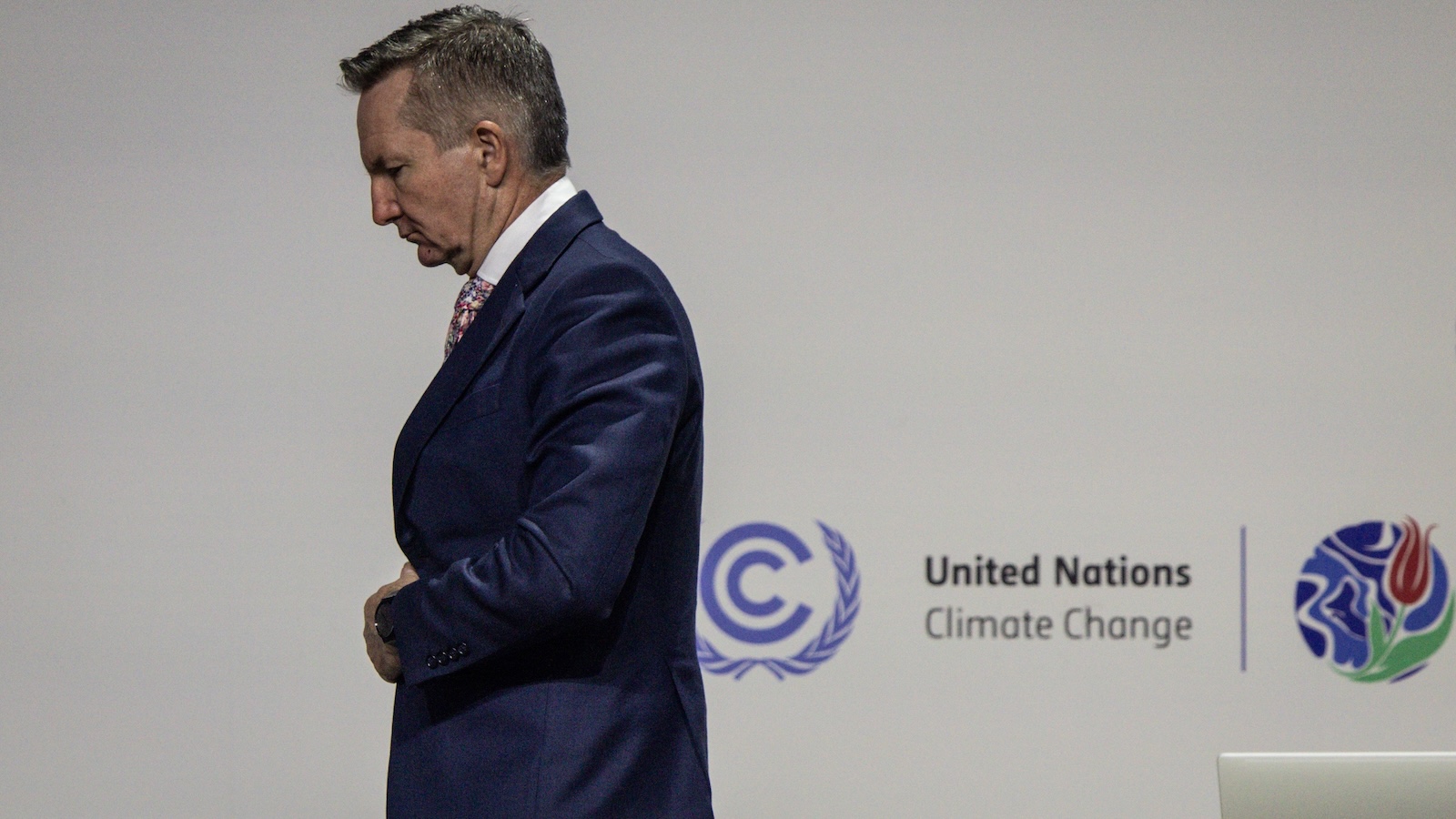
COP31 collapsed after nearly 50 hours of overtime negotiations in Antalya, Turkey, with more than 90 nations objecting to the final draft agreement. The cover decision, a summary document meant to cap the conference, omitted the words "fossil fuels" and failed to address climate finance details.
"We will not endorse an Antalya pact or cover decision that does not even mention fossil fuels, which is the key driver of climate change," Irish climate minister Darragh O'Brien said during closing plenary. The European Union, Marshall Islands, United Kingdom, and Alliance of Small Island States joined the objection.
This was the first climate conference since COP15 in 2009 to collapse over a cover decision. Saudi Arabia, Russia, and other fossil fuel-producing nations blocked any affirmation of the COP28 commitment to transition away from fossil fuels, including alternative language about "transition toward low greenhouse gas emissions and climate resilience."
Petrostates also blocked a proposal for electricity to meet 35 percent of the world's energy needs by 2035, up from 23 percent today. More than 130 nations, including EU members and the Least Developed Countries, had backed the pledge before it was scuttled.
The Australian and Turkish hosts, who ran negotiations jointly, focused most energy on the cover decision while other substantive agreements remained unfinished. The Adaptation Fund raised just $50 million, one-sixth of its annual target. Turkey and Australia made no substantial climate finance pledges.
"The interests of a few were allowed to obstruct the ambition needed by many," said Wopke Hoekstra, the European Union's lead climate negotiator.
Observers described the outcome as "the worst COP ever" and "one of the darkest hours in the history of climate negotiations." The collapse raises questions about whether a consensus-based system of nearly 200 countries can deliver meaningful climate action, or whether faster-moving nations will operate outside the U.N. framework.