Federal budget cuts are reducing access to climate data just as an unusually intense El Niño intensifies extreme weather across North America, leaving companies less prepared to manage supply chains.
The Climate Prediction Center at NOAA forecasted a very strong El Niño since spring 2025, putting odds at 83% that it will become the strongest since record-keeping began in 1950, likely lasting into early 2027. This advance warning allows companies months to stock up, reroute shipments and line up backup suppliers.
But other climate data sources are disappearing. NOAA stopped updating its federal disaster database in May 2025. The Trump administration has cut or undercut federal climate analyses, staff and funding for daily forecasting, leaving large parts of the country without coverage during extreme events.
NOAA retired its "Billion-Dollar Weather and Climate Disasters" database, ending updates after 2024. The federal government shut down Climate.gov in 2025. Its El Niño blog froze in June 2025. The National Climate Assessments went offline. The National Weather Service cited staff shortages as it cut back weather balloon launches at multiple sites.
The Trump administration justified these cuts by citing high administrative costs and potential errors in prediction models.
For more than four decades, the disaster database tracked the cost of U.S. weather disasters after the fact, and businesses and researchers relied on it to build prediction models. When public climate data disappears, companies still need information to run supply chains, so some pay for alternative data from private services. But typically only large retailers and insurers can afford these forecasts. Smaller suppliers, local farmers and independent truckers often cannot.
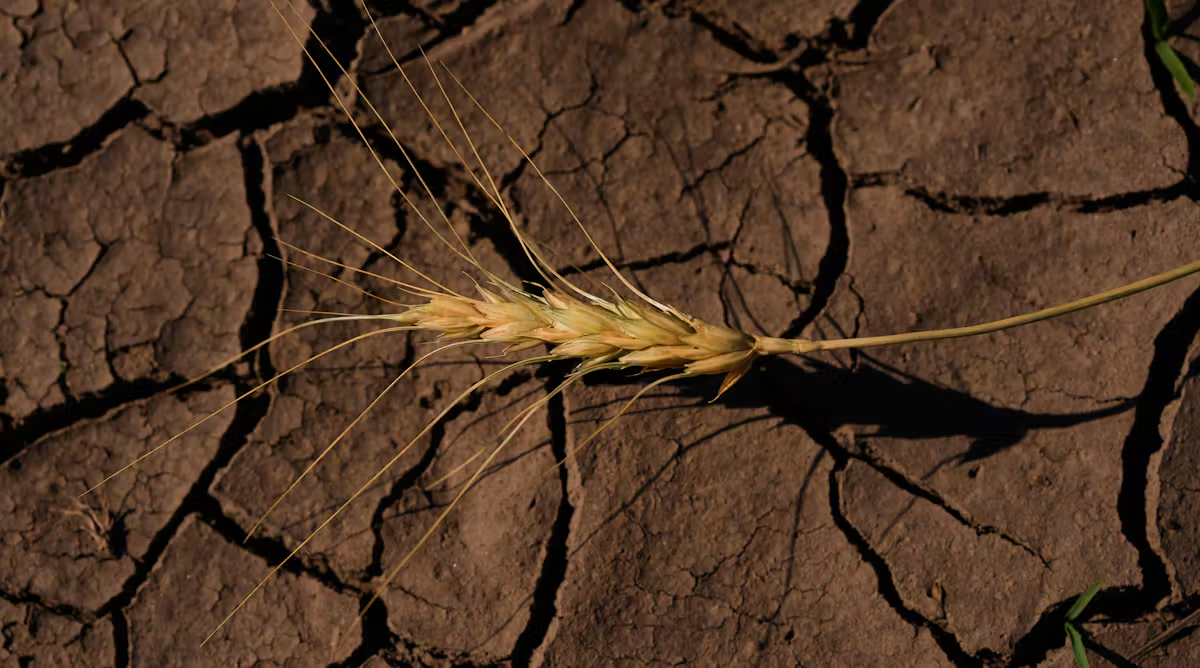
In North America, El Niño patterns link to severe storms in the Pacific, floods, fires and droughts. The U.S. averaged fewer than five "billion-dollar" disasters a year in the 1980s. That number now stands above 20 a year. The 2023 and 2024 totals were the highest on record.
Some data-gathering efforts have migrated to nonprofits. Scientists behind the El Niño blog moved to a nonprofit. Another nonprofit is carrying on efforts behind the billion-dollar disaster database.