Congress is moving toward passage of a bipartisan "permitting reform" bill that would accelerate approval of power plants, transmission lines, solar farms, and wind projects. The bill would weaken the 1966 National Historic Preservation Act, a law that tribal nations rely on to protect cultural and religious sites from development outside their reservation boundaries.
The bill has divided environmental advocates. Clean energy groups support it because it would speed renewable energy infrastructure and block presidential cancellation of offshore wind farms. Conservative and fossil fuel groups back it for reducing what they call environmental red tape and accelerating natural gas pipelines. But tribal nations and Indigenous organizations oppose it, saying it harms tribal sovereignty.
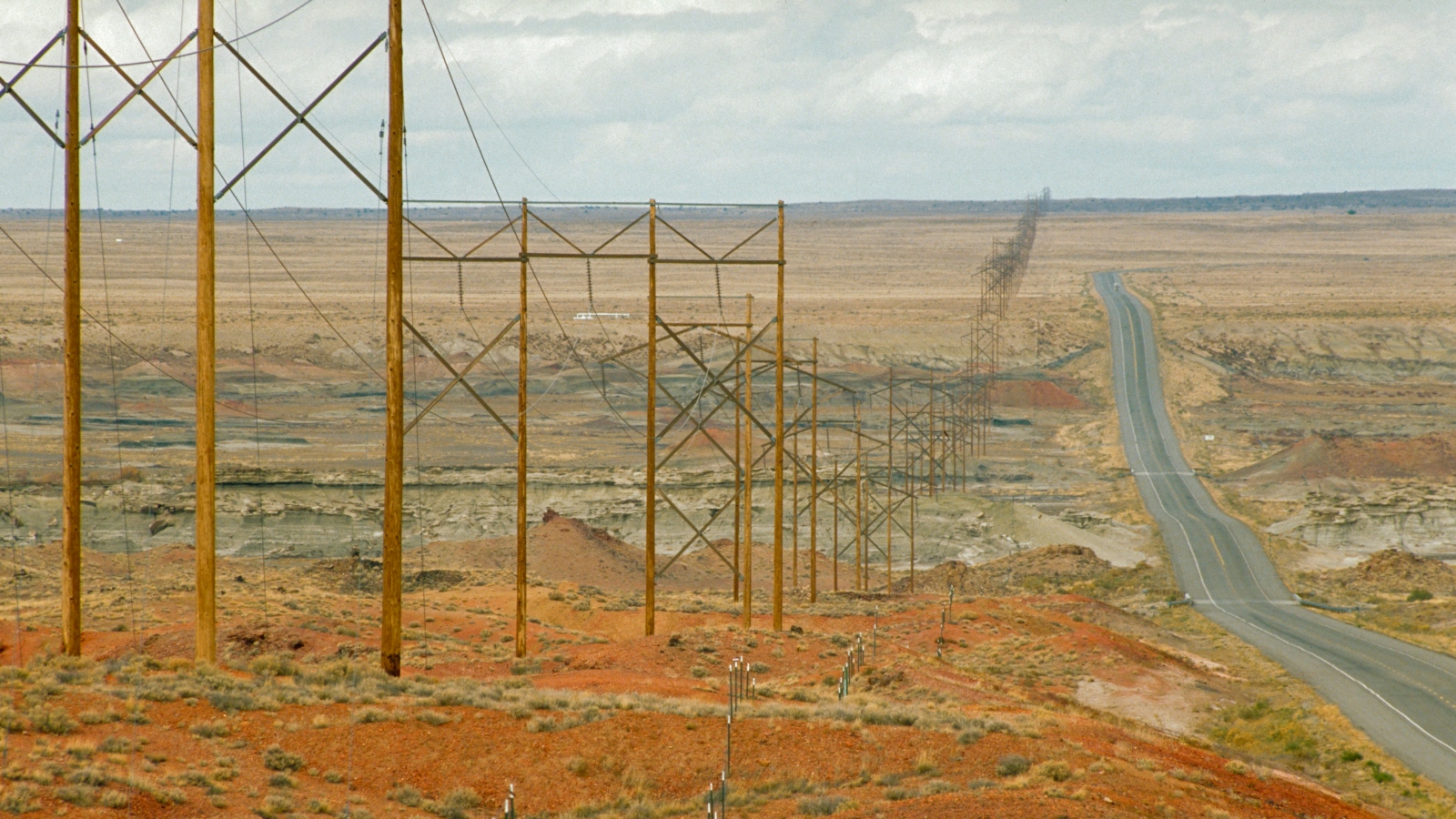
The National Historic Preservation Act requires federal agencies to consider how construction affects historic and cultural properties more than 50 years old with historical, cultural, or religious significance. For transmission lines, the review area can extend hundreds of miles. While tribes control projects on reservations, many have cultural claims over areas outside reservation boundaries, making the law one of their primary tools to stop or alter development that could desecrate sacred territories.
The initial bill version made tribal consultation "effectively optional," according to the article. It narrowed the definition of visual impacts and prohibited judges from halting construction if they found flaws in historic preservation reviews.
The Quechan Tribe of the Fort Yuma Indian Reservation used the law in 2010 to challenge a 6,000-acre solar farm on federal land in California. A court sided with the tribe, and the developer relocated the project to private farmland instead.
The SunZia transmission line, an $11 billion wind energy project from New Mexico to California, took two decades to complete. During its review, tribes argued that the San Pedro River Valley in Arizona, sacred to the Apache, O'odham, Hopi, and Zuni peoples, should receive historic designation that could have required rerouting. The government declined. The Tohono O'odham and San Carlos Apache tribes plus environmental nonprofits sued but failed to halt construction before the wires connected to the grid. The case remains ongoing.
The bill cleared a procedural Senate hurdle but faces uncertain passage. Hakeem Jeffries, the likely next House Speaker, criticized the bill's "failure to adequately protect tribal sovereignty." Senator Catherine Cortez Masto, who voted to advance it, said she will not vote to pass it, saying she "cannot ignore the concerns" of tribes in her state.
John Bathke, a Navajo Nation member and former historic preservation officer for the Quechan Tribe, said the bill would allow projects "a super fast track" compared to current processes.