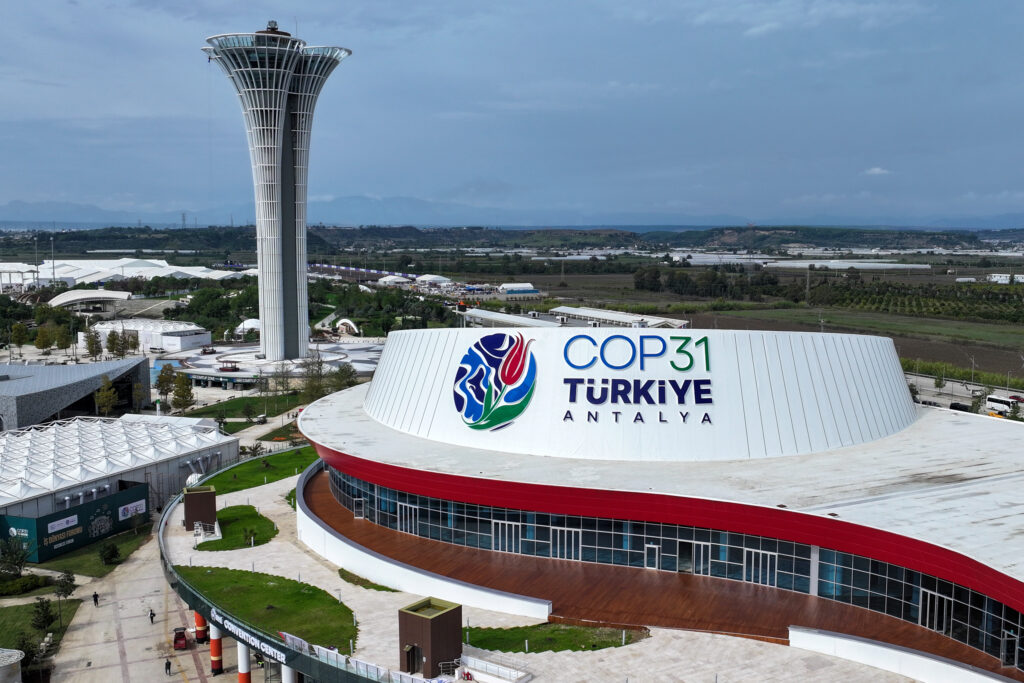
The Intergovernmental Panel on Climate Change suspended its mid-October meeting without approving a budget for next year or setting a timeline for publishing upcoming reports. The gridlock threatens the panel's ability to deliver climate assessments when governments need them most, ahead of COP31 in Antalya, Turkey.
More than 100 IPCC scientists signed an open letter on October 19 warning that political leaders must provide the panel with adequate resources. The scientists called for a process that gives all countries an equitable voice, rather than allowing wealthy nations to dominate.
The IPCC's annual budget stands at $9.7 million, which covers meetings, travel, scientific support, and workshops. Governments decide voluntarily each year how much to contribute. The Trump administration's withdrawal of U.S. funding over the last two years, combined with the U.S. government's withdrawal from the panel, likely contributed to the gridlock, according to Bob Kopp, a climate scientist at Rutgers University who signed the letter.
The U.S. historically contributed as much as one-third of the IPCC's annual budget. Despite losing federal support, the U.S. still has the largest percentage of contributing authors of any country, about 7.5 percent, Kopp said. The U.S. Academic Alliance for the IPCC, formed in 2025 by the American Geophysical Union, now helps sustain U.S. scientist participation without federal funding.
Carl Schleussner, a climate scientist with Climate Analytics and the International Institute for Applied Systems Analysis, said key IPCC reports tracking whether countries honor Paris Agreement commitments are scheduled but lack a timeline. Without one, scientists cannot plan their IPCC work schedules.
A group called the Like-Minded Developing Countries, including India and China, raised concerns about whether the panel's climate scenarios fairly represent possible pathways for all nations. Davide Faranda, an IPCC author, warned that if the panel fails to provide timely, transparent knowledge, major powers could weaponize climate information for strategic advantage in agriculture, natural resources, and national security.
The IPCC will resume its session online in December, after COP31 concludes.